
 |


PE Color coated Aluminum sheet
Dingang
76061259
| Quantity: | |
|---|---|
PE color coated aluminum sheet is a pre-painted aluminum material for compatible roof covering, corrugated panels, trapezoidal roofing profiles, canopies and architectural cladding. The aluminum substrate is continuously coated with a polyester paint system before downstream roll forming or panel fabrication.
Available thickness ranges from 0.2mm to 2.5mm and width from 30mm to 1600mm, with multiple 1xxx, 3xxx and 5xxx-series aluminum alloys available according to the required strength, forming performance and finished roofing profile.
For this product, PE refers to a polyester paint coating rather than polyethylene protective film. The listed polyester coating thickness is not less than 18μm. Color can be selected using an applicable RAL reference, Pantone reference or approved physical sample.
The coated aluminum sheet is the material used to fabricate the finished roofing component. Final roof performance depends on the aluminum alloy, temper, gauge, profile geometry, support spacing, fastener system, roof pitch, overlaps, flashings and installation design.
Request PE Coated Roofing Sheet Pricing
| Parameter | Specification |
|---|---|
| Product | PE Color Coated Aluminum Sheet for Roof Covering |
| Thickness | 0.2-2.5mm |
| Width | 30-1600mm or agreed custom width |
| Available Alloys | 1050 / 1060 / 1100 / 3003 / 3004 / 3105 / 5005 / 5052 / 5754 / 5083 and other agreed alloys according to application |
| Temper | O / H12 / H14 / H16 / H18 / H24 / H26 / H32 / H34 and other applicable tempers; availability depends on the selected alloy |
| Color | RAL / Pantone / approved physical sample / custom color subject to coating feasibility |
| Coating Type | PE polyester paint coating |
| PE Coating Thickness | Not less than 18μm |
| Supply Form | Sheet, coil or slit material according to downstream roofing fabrication requirements |
| Packing | Export standard wooden pallets |
| Payment Terms | 30% T/T deposit with 70% balance against B/L copy according to agreed commercial terms |
| MOQ | 3 tons per specification |
| Delivery Time | Within approximately 15 days, subject to final alloy, color, dimensions, quantity and production schedule |
| Loading Port | Shanghai Port |
| Typical Applications | Corrugated roofing, trapezoidal roofing profiles, roof covering, canopies, wall cladding, building panels and related fabricated architectural components |
For quotation, provide alloy, temper, thickness, flat width, finished roofing profile, color reference, coating requirement, quantity, packing requirement and destination.
Send Your Roofing Material Specification
PE color coated aluminum is aluminum sheet or coil that receives surface pretreatment, primer and a polyester-based decorative topcoat before being cut or roll formed into the final roofing product.
Continuous pre-coating provides a controlled surface before the material enters the customer's corrugating, profiling, bending or panel-forming process. This allows manufacturers to purchase finished color-coated stock instead of coating each roof panel after forming.
In prepainted aluminum terminology, PE commonly refers to polyester paint. It should not be confused with removable polyethylene protective film, which may be applied separately to protect the finished surface during handling and fabrication.
The listed front-side PE paint coating thickness is not less than 18μm. Where film thickness is contractual, the buyer should also define the coating-layer construction and measurement method.
These high-aluminum-content alloys provide good formability and relatively low mechanical strength. They may be suitable for compatible formed products where the finished roofing profile and support system provide the required stiffness.
3xxx-series Al-Mn alloys are widely used in prepainted building products because they offer a useful combination of strength, corrosion resistance and roll-forming capability.
3004 and 3105 can be considered where a roofing profile requires more strength than a softer 1xxx-series substrate, subject to the specified temper and forming geometry.
5xxx-series alloys offer higher strength and good corrosion resistance, but not every alloy is appropriate for every roofing profile or temper. Bendability, roll-forming severity and applicable project standards should be checked before selection.
The temper list should not be interpreted as meaning that every listed temper is available or appropriate for every alloy. Final alloy and temper should be confirmed together based on forming requirements and required mechanical properties.
The available material thickness range is 0.2-2.5mm, but there is no single aluminum gauge that is automatically correct for every roof.
Corrugation depth, trapezoidal rib height, rib spacing and return geometry can substantially change the stiffness of the finished panel. Flat-stock gauge should therefore be selected together with the final roofing profile.
Greater purlin or support spacing can increase sheet deflection and local stress. The roof designer should determine the required combination of panel profile, material strength and span.
Wind uplift, snow load and maintenance loads are system-design requirements. Sheet thickness alone does not establish a structural load rating.
PE-coated aluminum can be supplied in a wide range of architectural colors. RAL or Pantone references can be used where applicable, but a physical approved sample is preferred when precise appearance is important.
Polyester coatings can be used in suitable exterior environments, but no polyester finish should be described as permanently fade-free or chalk-free. Color retention depends on resin formulation, pigment, primer, pretreatment, exposure angle, climate and maintenance.
Aluminum naturally develops a protective oxide film, while pretreatment and paint add surface protection. Finished corrosion performance also depends on cut edges, scratches, standing water, salt deposits and contact with dissimilar metals.
Projects with particularly demanding long-term color-retention, high-UV, coastal or aggressive environmental requirements should specify the required coating-performance tests rather than selecting the coating only from a generic PE description.
Prepainted aluminum can be continuously roll formed into compatible corrugated roofing profiles. Alloy, temper, thickness and roll geometry should be matched to minimize distortion and coating damage.
Trapezoidal ribs can provide geometric stiffness to the finished panel. Structural performance must still be determined using the actual profile, span, fastener arrangement and design loads.
Coated sheet can also be fabricated into compatible flashings, caps and trim components. Tight bends should be evaluated according to the alloy, temper, bend radius and coating flexibility.
No coated aluminum should be assumed crack-free at every bend radius. If severe profiling or tight folding is required, provide the profile drawing and required coating-flexibility criteria before production.
PE-coated aluminum can be roll formed for suitable industrial and warehouse roofing systems where profile design, span, drainage and fastening meet project requirements.
Custom colors and formed aluminum profiles can be used for compatible commercial roof covering and canopy applications where appearance and lightweight construction are important.
For barns and agricultural buildings, the coating should be selected with consideration of humidity, condensation and potentially aggressive internal atmospheres.
Prepainted aluminum can also be fabricated into compatible canopy and roof-feature panels where the supporting system is engineered for the required loads.
Color-coated aluminum can be used for suitable formed wall-cladding panels as well as roofing. Final material and coating selection should follow the facade or cladding specification.
Water tightness depends on profile geometry, roof pitch, side laps, end laps, fasteners, sealants, flashings and installation. PE-coated aluminum sheet by itself is not a complete waterproof roofing system.
Wind resistance is determined by the finished panel profile, aluminum mechanical properties, fastener spacing, support arrangement and building-zone pressure. Material thickness alone does not provide a wind rating.
Aluminum expands and contracts with temperature changes. Long roof runs should be detailed with appropriate fixing and joint arrangements that allow the required thermal movement.
The aluminum sheet itself is not thermal insulation. Roof-system thermal performance depends on insulation, membranes, deck construction, air spaces and thermal bridges.
Where a roofing project requires a specific fire classification, provide the applicable standard and required classification. The finished roof assembly, coating and other layers may all affect the applicable requirement.
For projects using self-supporting profiled aluminum roofing products in Europe, the applicable roofing-product standard, material grade, temper, mechanical properties, dimensional tolerances and product documentation should be confirmed before ordering.
A coated aluminum sheet that meets a raw-material specification should not automatically be described as a complete compliant roof panel. Product profiling, testing, declaration requirements and installation design are separate considerations.
Prepainted aluminum production requires controlled surface preparation, coating application, curing, cooling, inspection and winding or sheet handling. Process conditions should be matched to the selected aluminum substrate and polyester coating system.
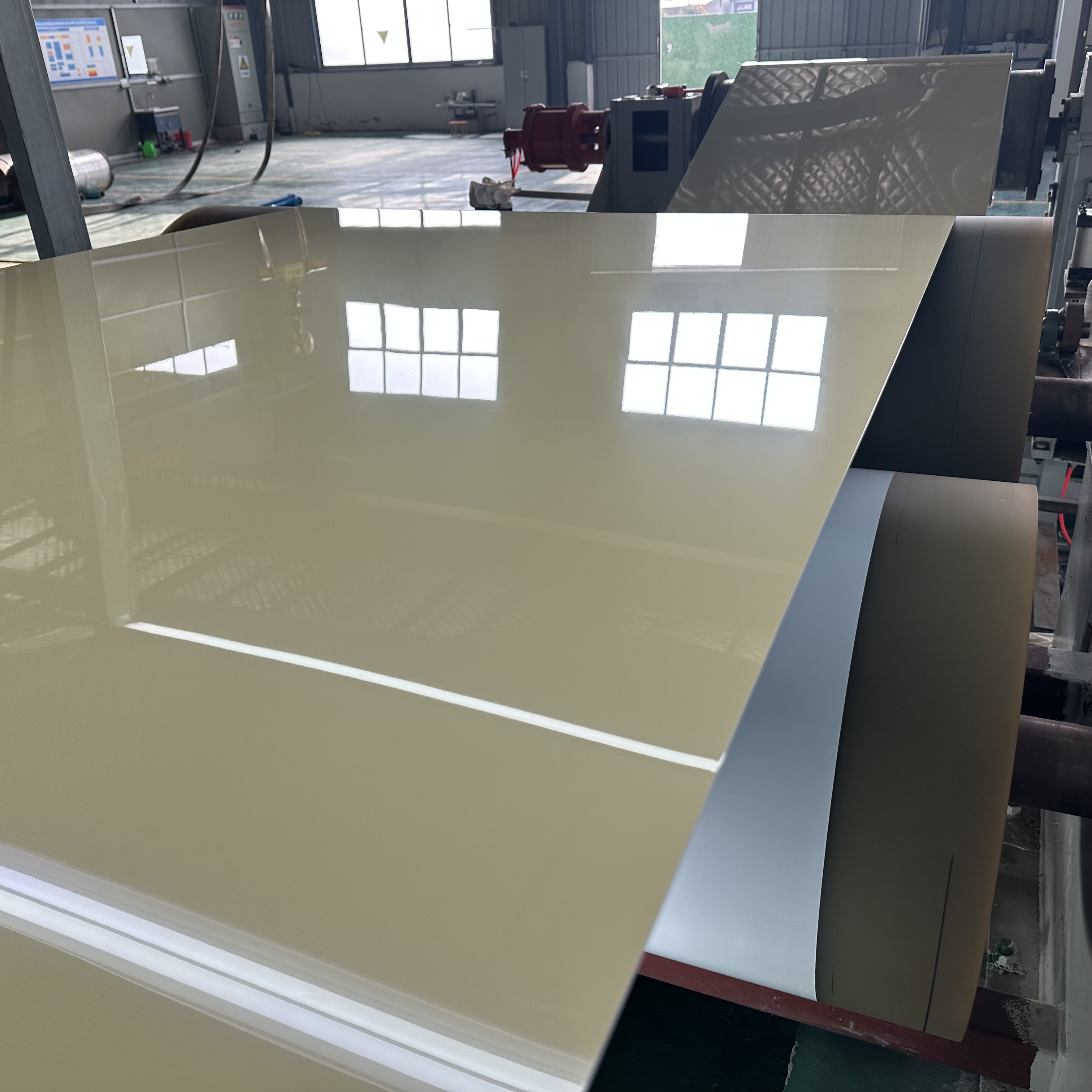

Where alloy and temper are contractual, they should be identified in the purchase specification and supported by applicable material documentation.
Nominal gauge, width and dimensional tolerance should be confirmed according to the roll-forming line and finished roof profile.
Where PE coating thickness is contractual, the agreed film thickness should be checked with the applicable measurement method. The listed front-side coating requirement is not less than 18μm.
For large roofing projects, color and gloss should be controlled against the approved reference. If numerical tolerance is required, define the measurement method and acceptable range before production.
If adhesion, bend or impact performance is critical to the roof profile, specify the required test method and acceptance criteria for the actual coating system.
Finished material should be inspected for unacceptable scratches, dents, stains, coating defects, roller marks and visible color variation before packing.

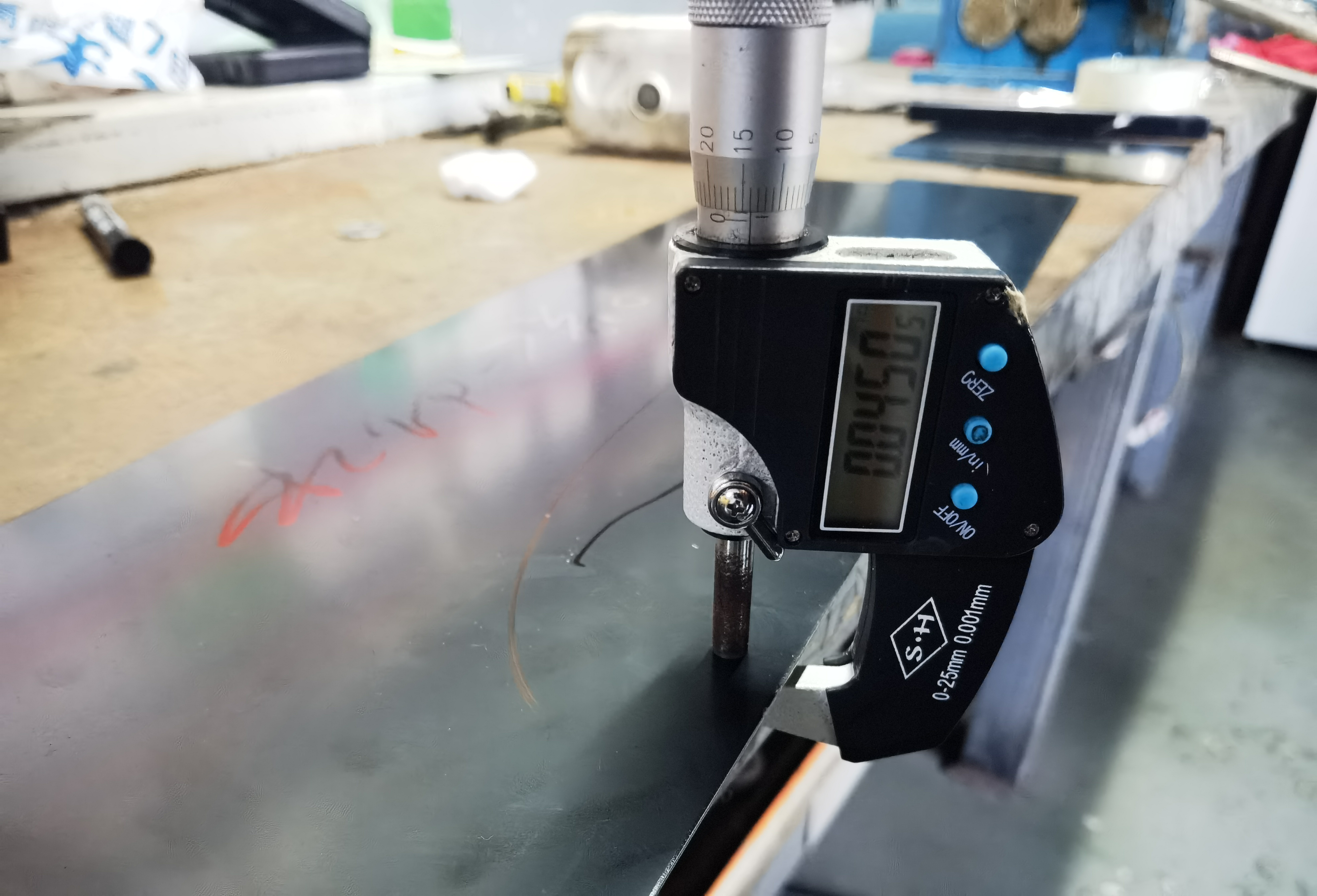
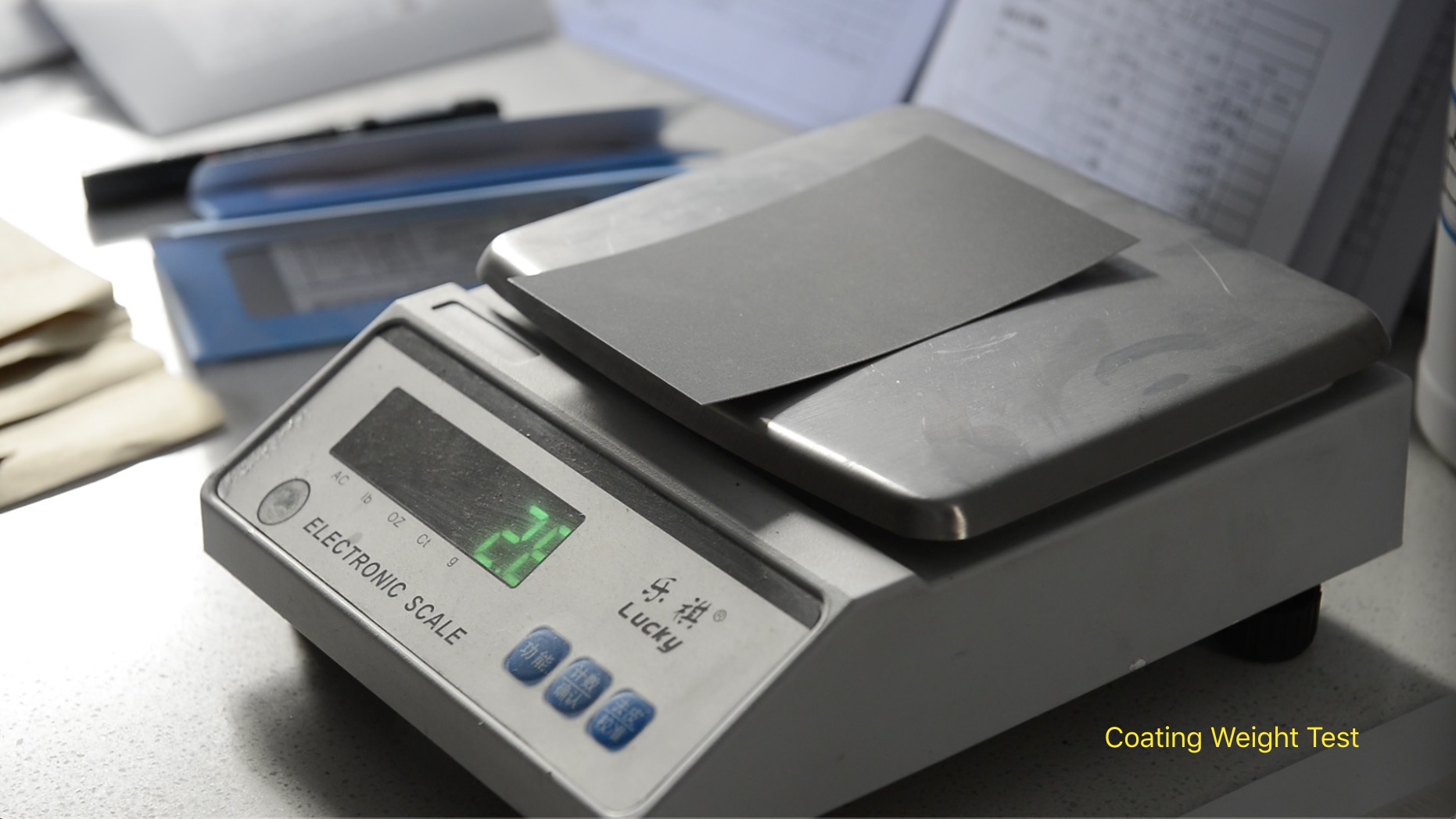
Provide the required alloy and temper. If these have not yet been selected, provide the roofing profile, required strength and forming method for technical discussion.
Specify the required flat-sheet thickness between 0.2mm and 2.5mm and any applicable dimensional tolerance.
Provide the required flat-stock width. For profiled roofing, the incoming width should be calculated from the finished profile rather than the effective installed cover width alone.
Provide a drawing for corrugated, trapezoidal or other formed roofing profiles when roll-forming compatibility or structural selection is important.
Specify the applicable RAL, Pantone or physical color reference and any gloss requirement.
Confirm polyester coating and any required topcoat thickness, back coating, adhesion, bend, gloss, weathering or corrosion criteria.
State whether material is required as coil, flat sheet or slit strip for downstream roofing production.
Provide quantity for each specification, packing requirement and destination. The listed MOQ is 3 tons per specification and the listed loading port is Shanghai.
Send Your Roof Profile & Color Requirement
It is aluminum sheet or coil that receives a polyester paint coating before being fabricated into compatible roofing, cladding or building-panel products.
For this coated aluminum product, PE refers to polyester paint coating. Removable polyethylene protective film is a different material and should be specified separately if required.
The listed thickness range is 0.2-2.5mm.
The listed width range is 30-1600mm, with custom dimensions subject to manufacturing feasibility.
Listed options include 1050, 1060, 1100, 3003, 3004, 3105, 5005, 5052, 5754 and 5083. Final selection should follow roofing profile, required strength and project standards.
No. Temper designations depend on the alloy family. Required alloy and temper should be confirmed together rather than selecting them independently from a generic list.
The listed polyester paint coating thickness is not less than 18μm.
Polyester coatings can be suitable for many outdoor roofing applications. Required weathering performance should be selected according to UV exposure, climate, color, pollution and expected appearance retention.
No exterior coating should be described as permanently fade-free or chalk-free. Color and gloss change over time according to coating formulation and exposure conditions.
RAL, Pantone and custom color matching can be discussed according to coating availability. A physical sample is recommended where precise architectural color matching is important.
3003, 3004 and 3105 are commonly considered for prepainted formed building products because they combine useful strength and formability. Final selection should follow the actual profile and engineering requirements.
There is no universal roofing thickness. The correct gauge depends on alloy, temper, profile geometry, span, wind uplift, snow load, fastener design and local project requirements.
Yes, suitable alloy, temper and coating combinations can be roll formed into compatible corrugated or trapezoidal profiles. Profile geometry and forming severity should be considered before production.
No. Roof waterproofing depends on the complete system, including roof slope, panel profile, overlaps, joints, sealants, flashings, fasteners and installation quality.
No. Wind resistance must be determined from the complete roof-panel and fastening system using the applicable design wind pressure.
It can be evaluated for coastal use, but coating formulation, pretreatment, salt exposure, cut edges, fasteners, drainage and maintenance should be considered. Coastal suitability should not be inferred only from the word polyester.
The listed minimum order quantity is 3 tons per specification.
The listed delivery time is within approximately 15 days, subject to final alloy, dimensions, color, coating requirement, quantity and production schedule.
Please provide alloy, temper, thickness, width, roof-profile drawing, polyester coating requirement, color reference, quantity, supply form, packing requirement and destination.
If you are sourcing PE color coated aluminum sheet for corrugated roofing, trapezoidal roof panels, canopies or architectural cladding, send us your alloy, gauge, flat width, finished profile, color reference and quantity for technical confirmation and quotation.
Durable PE polyester coated aluminum sheets with excellent weather resistance, lightweight design and wide color options. Ideal for roofing systems, roof covering and architectural cladding.
Excellent weather & UV resistance – prevents fading and chalking
Lightweight – easy handling and reduced structural load
Superior corrosion resistance for long-term durability
Wide range of colors and finishes for aesthetic flexibility
Low maintenance – easy cleaning with water or mild detergent
Cost-effective with extended lifespan and minimal repairs
| Product | PE Color Coated Aluminum Sheet |
| Thickness | 0.2 – 2.5 mm |
| Width | 30 – 1600 mm (or custom) |
| Alloy | 1050, 1060, 1100, 3003, 3004, 3105, 5052, 5005, 5754, 5083, etc. |
| Temper | O, H12, H14, H16, H18, H24, H26, H32, H34, etc. |
| Color | RAL, Pantone or custom |
| PE Coating Thickness | ≥18 μm |
| Packing | Export standard wooden pallets |
| Payment Terms | 30% T/T deposit, 70% balance against B/L copy |
| MOQ | 3 Tons per specification |
| Delivery Time | Within 15 days |
| Loading Port | Shanghai Port |
For more colours, sizes or custom requirements, please contact us anytime!


