|


DATC20240306
Dingang
20240306
| Color: | |
|---|---|
| Size: | |
| Coating Type: | |
| Alloy: | |
| Temper: | |
| Cover Film: | |
| Quantity: | |
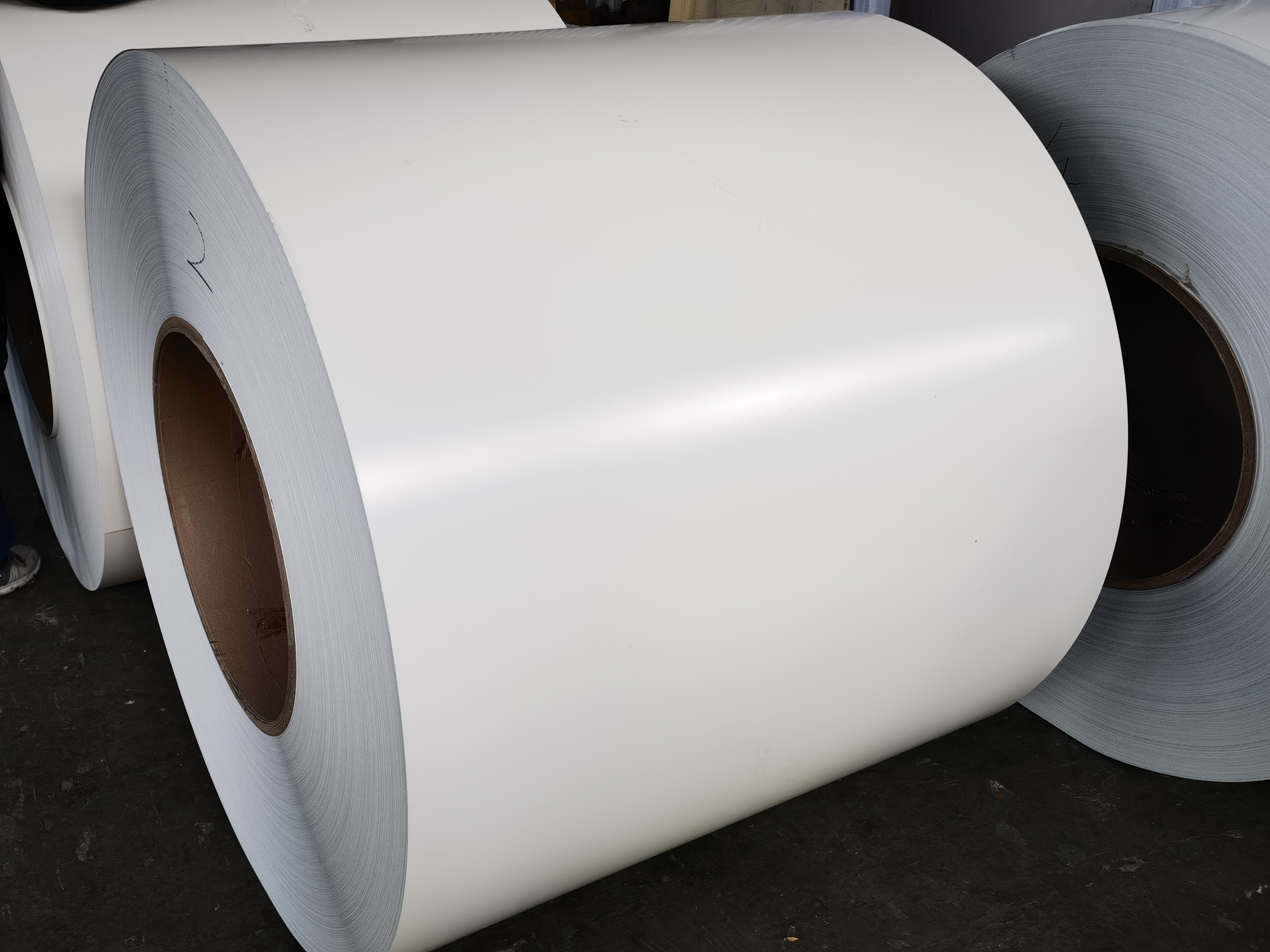
3105 H24 glossy white color coated aluminum coil is a factory-finished aluminum material supplied with a polyester coating for panel fabrication, ceilings, trim components, appliance parts, decorative metalwork and other compatible forming applications.
This product uses AA3105 aluminum in H24 temper with a nominal material size of 0.50 mm thickness × 1000 mm width. The visible surface is finished in glossy white PE coating, and protective film is available when additional surface protection is required during fabrication, handling or installation.
The combination of a 3105 aluminum-manganese substrate, partially annealed H24 condition and pre-applied polyester finish provides a practical balance of rigidity, formability and decorative appearance for manufacturers, distributors and metal-fabrication buyers.
Request 3105 H24 White Coil Price
| Product | Glossy white PE color coated aluminum coil / roll |
| Alloy | AA3105 |
| Temper | H24 |
| Nominal Thickness | 0.50 mm |
| Nominal Width | 1000 mm |
| Color | Glossy White |
| Coating Type | Polyester / PE |
| Surface Finish | Smooth glossy painted surface |
| Protective Film | Available |
| Supply Form | Color coated aluminum roll / coil |
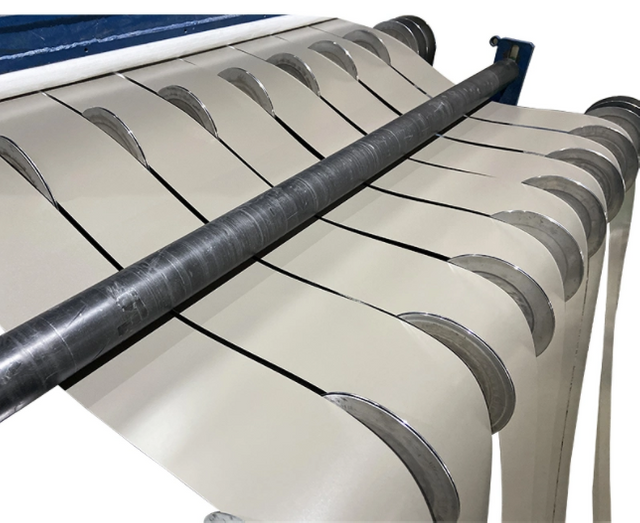
| Typical Processing | Cutting, slitting, bending, roll forming, stamping and panel fabrication subject to the finished-part geometry |
| Typical Uses | Ceiling panels, fascia and trim, decorative panels, appliance components, signage substrates and general fabricated metal components |
AA3105 is an aluminum-manganese alloy with useful strength and corrosion resistance for fabricated sheet and coil products. H24 is a strain-hardened and partially annealed condition that provides more rigidity than fully annealed aluminum while retaining practical forming capability.
For compatible profiles, 3105-H24 can be cut, bent or roll formed into panels and trim components. The required bend radius and forming sequence should be checked against the actual part design before volume production.
The aluminum substrate provides natural resistance to atmospheric corrosion, while the pretreatment, primer and PE topcoat form the finished decorative surface.
Aluminum has relatively low density, making coated coil useful for fabricated products where weight, handling and installation efficiency are relevant design considerations.
Polyester coating provides a smooth decorative surface and is widely used for general color coated aluminum applications. This product is supplied with a glossy white PE finish that provides a clean, consistent appearance for suitable fabricated parts.
The correct coating system should always be matched to the service environment. For interior, protected or general-purpose fabrication, PE can provide a practical combination of appearance and cost. Projects involving demanding long-term exterior exposure should specify the required weathering performance before material selection.
When several coils are used for one visible project, color and gloss should be compared with the approved reference before fabrication to reduce noticeable batch variation.
Discuss Your White PE Coil Requirements
A color coated aluminum roll is produced as a layered material rather than simply applying paint directly to untreated metal. The exact construction can vary with the coating specification, but the basic structure includes the following elements.
| Layer | Function |
| Aluminum Substrate | AA3105-H24 provides the base metal, shape and mechanical support for this product. |
| Prepared Surface | The aluminum surface is cleaned and prepared to remove contamination and support stable coating adhesion. |
| Primer | The primer promotes adhesion between the prepared aluminum substrate and the decorative topcoat. |
| PE Color Coat | The polyester topcoat provides the glossy white appearance and protective finished surface. |
| Optional Clear Finish | An additional clear finish may be used for selected coating constructions when specified. |
| Protective Film | Available to protect the finished surface during suitable downstream fabrication, handling and installation. |
The aluminum substrate is cleaned to remove oil, dirt and other contamination that could interfere with coating adhesion. Surface preparation is a critical starting point for consistent coating quality.
Primer is applied to the prepared aluminum to improve adhesion between the substrate and the color coating.
The PE color layer is applied under controlled conditions to produce a consistent white surface across the usable coil width.
The coated aluminum passes through a controlled curing process so the coating develops the required adhesion and surface properties.
Depending on the agreed material construction, an additional clear finish or protective film may be applied. The current 3105-H24 glossy white product lists protective film as an available option.
Finished material should be checked for color consistency, gloss, coating appearance, adhesion, dimensions and visible surface defects before downstream processing.
Glossy white is a practical finish for products requiring a bright, clean and neutral appearance. It can coordinate with a wide range of architectural, appliance and industrial designs without requiring secondary painting after compatible fabrication.
Visible finished parts should be inspected under consistent lighting because gloss and substrate flatness can make scratches, dents, pressure marks and coating defects more noticeable than on heavily textured surfaces.
Where the coated face remains visible after fabrication, tooling, work tables and handling equipment should be kept clean to reduce marking during cutting, bending and forming.
Protective film is available for this product and can help reduce scratches or handling marks on the glossy painted surface during compatible cutting, bending, panel fabrication and installation.
When protective film is required, buyers should confirm the downstream process, storage conditions and expected removal stage so the film can be evaluated for the intended fabrication sequence.
Cutting tools should produce clean edges without excessive burr and should avoid damaging the visible painted surface.
Bend radius should be selected according to substrate thickness, H24 material condition and the flexibility of the PE coating. A trial bend is recommended when appearance at the bend line is critical.
For continuous profiling, roll geometry and machine setup should be compatible with 0.50 mm 3105-H24 material. Forming rolls should be kept clean to reduce scratches or pressure marks.
Shallow or compatible stamping operations should be evaluated against the actual component geometry. Severe drawing operations can require different material conditions and should not be assumed suitable without testing.
Discuss Your Fabrication Requirements
Ceiling panels and ceiling components
Fascia, soffit and trim components
Decorative wall and panel components
Household appliance panels and housings
Signage and display substrates
General roll-formed aluminum components
Fabricated white aluminum panels
OEM components requiring a glossy prefinished surface
Confirm AA3105-H24 against the approved purchase specification before material is released for fabrication.
Verify the nominal 0.50 mm thickness and 1000 mm width against the required component or production-line specification.
Inspect for scratches, dents, stains, coating defects, pressure marks and visible color variation before cutting or forming.
When several coils will be used for adjacent visible components, compare material under consistent lighting before fabrication to reduce noticeable differences between production lots.
For a new profile or component, process a representative section first and inspect the bend or formed area for coating cracking, peeling, scratching or unacceptable appearance changes.
Review the required rigidity, forming method and final component geometry. If severe drawing or a substantially different mechanical condition is required, another temper may need to be evaluated.
The current SKU uses nominal 0.50 mm material. Confirm that this gauge matches the strength, forming and finished-product requirements.
The current product width is 1000 mm. Buyers requiring another width should provide the exact dimension for availability confirmation.
Identify whether the finished component will be used indoors, in a protected location or outdoors. More demanding exposure conditions may require a different coating performance specification.
If the glossy surface remains visible after fabrication, protective film can be considered to help protect the coating during downstream processing and handling.

For this standard product, confirm the required quantity, final application, fabrication process, protective-film requirement, packing requirement and destination. If your requirement differs from the current AA3105-H24, 0.50 × 1000 mm, glossy white PE specification, provide the required alloy, temper, thickness, width, coating and color for technical confirmation.
Send Your Color Coated Aluminum Requirements
The current product is AA3105 aluminum in H24 temper, supplied with a glossy white polyester coating in a nominal 0.50 mm × 1000 mm specification.
H24 is a strain-hardened and partially annealed condition. It provides a practical balance between rigidity and formability for compatible panel, trim and roll-forming applications.
This SKU uses a polyester, or PE, color coating with a glossy white finish.
Yes. Protective film is listed as available and can be considered when the painted face needs additional protection during compatible downstream fabrication or handling.
It can be used for compatible bending and roll-forming operations. Actual suitability depends on bend radius, profile geometry, tooling and the amount of deformation required.
Yes, the 0.50 mm glossy white PE-coated material can be considered for compatible ceiling, trim and decorative-panel fabrication where the required dimensions and forming process match this specification.
Suitability depends on the exposure environment and required performance. For demanding long-term exterior applications, buyers should specify the expected UV, weathering and color-retention requirements before coating selection.
Primer helps establish stable adhesion between the prepared aluminum substrate and the decorative topcoat and forms part of the overall coating construction.
Check alloy and temper, thickness, width, color, gloss, surface defects, coating condition and coil shape. A representative forming trial is recommended for a new component.
The current listed SKU is 0.50 mm × 1000 mm. For different dimensions, provide the required thickness and width so production availability can be confirmed.
This page covers AA3105-H24 with glossy white PE coating. Buyers requiring another alloy, temper, color or coating system should submit the required specification for separate confirmation.
Please provide quantity, final application, fabrication method, protective-film requirement, packing requirements and destination. For a custom specification, also provide alloy, temper, thickness, width, coating and color.