
 |


8079
DINGANG
7607110000
| Quantity: | |
|---|---|
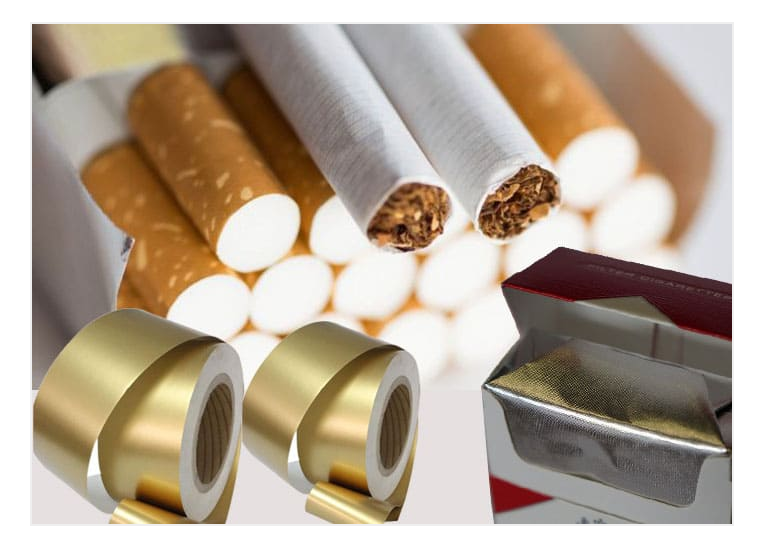
8079 cigarette aluminium foil is an ultra-thin packaging material used for cigarette and tobacco inner liners, including applications where the aluminum foil is subsequently laminated with paper, printed, embossed, lacquered or otherwise converted into finished inner-liner material.
The listed foil thickness range is 0.006-0.009mm, equivalent to 6-9μm, with customized slit widths typically from 80mm to 500mm for the listed product. AA8079 is suitable for ultra-thin flexible packaging where foldability, surface quality and converting performance are important.
When requesting a quotation, buyers should distinguish between bare 8079 aluminum foil for downstream lamination and a finished foil-paper inner liner. Paper grammage, adhesive system, foil-side treatment, printing, embossing, reel dimensions and packaging-machine requirements should be specified separately when a converted structure is required.
Request 8079 Cigarette Foil Pricing
| Parameter | Specification / Requirement |
|---|---|
| Product Name | Cigarette Aluminium Foil / Tobacco Inner Liner Foil |
| Alloy | AA8079 |
| Typical Temper | O temper is commonly specified for ultra-thin cigarette inner-liner foil; final temper should be confirmed with the order |
| Foil Thickness | 0.006-0.009mm / 6-9μm |
| Width | Custom; listed converted/slit width typically 80-500mm |
| Thickness Tolerance | To be agreed for the ordered gauge using an applicable micron-level or percentage tolerance |
| Surface | Bright / dull surface according to rolling and converting requirement; gold, silver, printed, lacquered or embossed appearance subject to finished construction |
| Supply Construction | Bare 8079 foil or converted foil-paper inner-liner construction according to confirmed order requirements |
| Paper Lamination | Where required, paper grade, grammage, adhesive system and bond requirements should be specified separately |
| Printing / Embossing | Subject to artwork, surface treatment, registration, embossing pattern and converter requirements |
| Pinhole Requirement | To be specified according to foil gauge and customer acceptance criteria; particularly important for 6-9μm ultra-thin foil |
| Surface Wettability | To be specified where printing, coating or adhesive lamination requires controlled surface wetting |
| Core / Reel Dimensions | To be confirmed according to slitting, laminating, printing or cigarette-packing equipment |
| Applicable Specification | Applicable aluminum foil standard or customer specification to be agreed; converted laminated, printed or embossed material should follow the finished-product specification |
| Application | Cigarette inner liner, tobacco packaging foil and foil-paper laminate production |
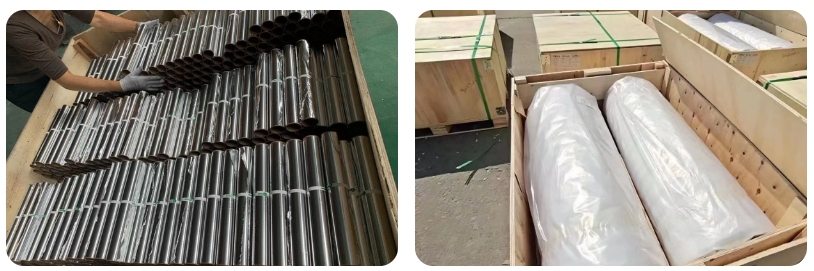
| Export Packing | Waterproof protective material with steel strapping and seaworthy export packing according to reel configuration |
For an accurate quotation, provide alloy, temper, foil thickness, width, bare foil or foil-paper construction, paper grammage where applicable, printing or embossing requirement, pinhole limit, reel dimensions, unwind direction, quantity and destination.
Send Your Cigarette Foil Specification
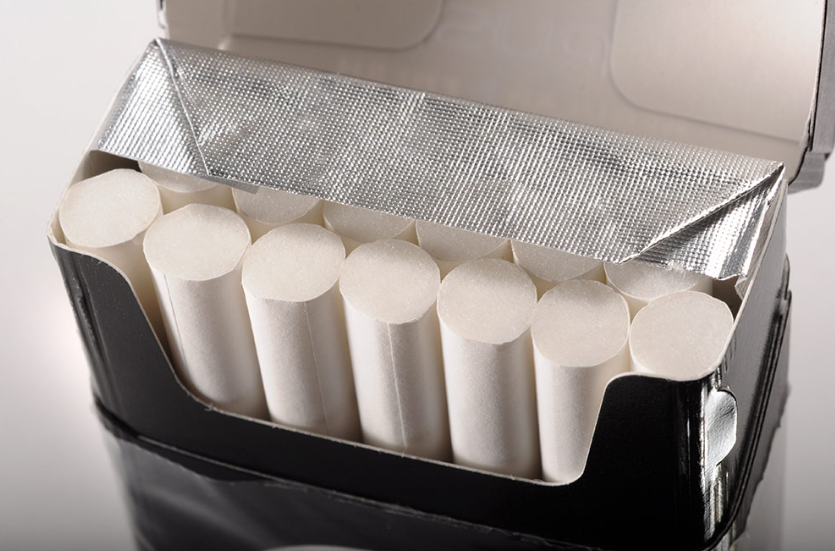
Cigarette aluminum foil is ultra-thin foil used as part of the inner packaging structure inside a cigarette or tobacco pack. The foil layer helps limit exposure to light, moisture, external odors and gases when it is incorporated into a properly designed packaging structure.
Many finished cigarette inner liners are not bare aluminum foil. They are aluminum-and-paper laminates in which the foil is bonded to paper and may subsequently be printed, lacquered, embossed or slit according to the packaging-machine format.
Bare 8079 foil is the aluminum layer before converting. A finished inner liner can add paper, adhesive, lacquer, ink, embossing or other functional layers. Buyers should therefore specify whether they require mill foil or a converted inner-liner structure.
Silver, gold and branded appearances can be created through the selected foil surface, lacquer, printing, embossing or laminate construction. The required appearance should be defined using an approved sample or artwork.
AA8079 is used in flexible packaging applications where very thin foil is required. For cigarette inner-liner material, the listed 6-9μm gauge provides low material thickness while retaining the dead-fold and converting characteristics required by the packaging construction.
Fully annealed O temper is commonly selected for ultra-thin cigarette foil because flexibility and folding behavior are important during lamination, embossing, wrapping and high-speed pack forming.
Aluminum foil can retain folds after forming, which is useful for inner-liner wrapping. Actual folding performance depends on foil gauge, temper, paper laminate and finished converting structure.
Aluminum itself is highly impermeable to light and provides strong barrier characteristics. In ultra-thin packaging foil, however, practical package performance also depends on pinholes, converting damage, folds, laminate structure and sealing details.
An aluminum layer blocks incident light in intact areas and can therefore contribute to protecting packaged contents from light exposure.
Intact aluminum provides strong resistance to moisture-vapor and gas transmission. At ultra-thin gauges, the agreed pinhole requirement becomes particularly important when evaluating effective barrier performance.
The foil layer can help limit penetration of external odors and loss of volatile aroma compounds when incorporated into an appropriately designed inner-liner package.
At 6-9μm gauge, pinholes cannot be ignored. The acceptable pinhole count should be specified according to foil thickness and the performance requirements of the finished laminate.
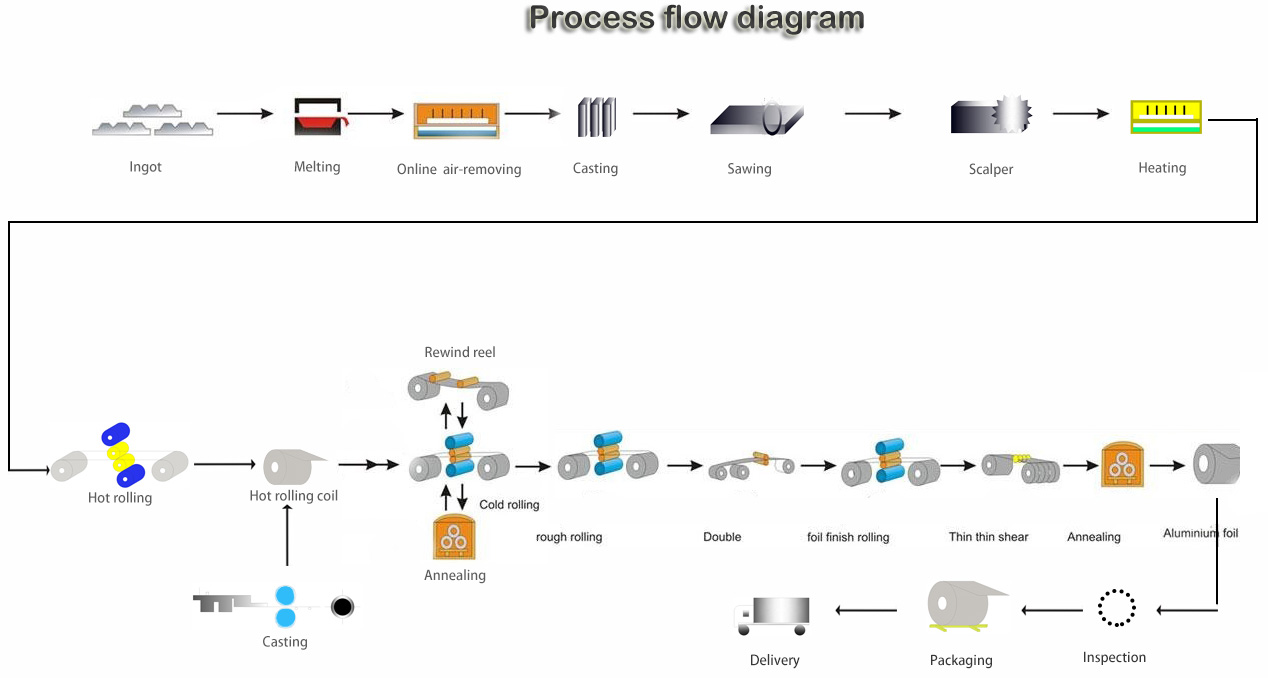
The exact production route varies by aluminum mill and converting line. A typical manufacturing sequence can include the following stages.
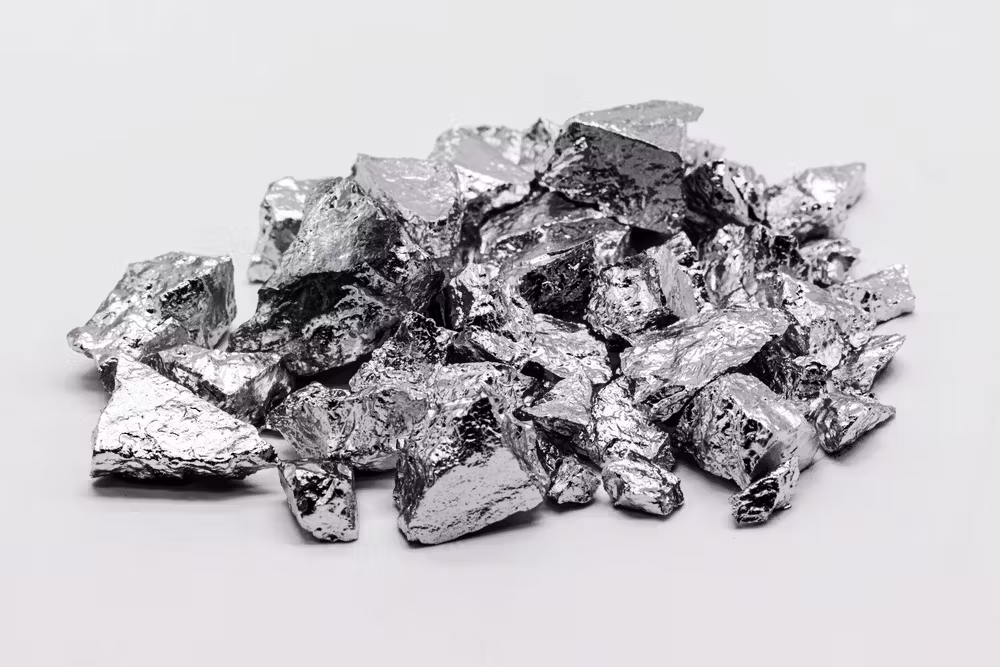
8079 alloy stock is prepared using the applicable casting and rolling route before reduction to thin-gauge foil.
Progressive rolling reduces the aluminum to ultra-thin foil gauge. Surface condition, thickness control and rolling cleanliness are important because defects become increasingly significant as gauge decreases.
Where O temper is required, the rolled foil is annealed to achieve the specified soft condition and remove rolling lubricant to the required level.
Foil can be inspected for roll marks, wrinkles, holes, contamination, corrosion, edge defects and other conditions that could interfere with lamination or packaging-machine performance.
The foil is slit and rewound according to the required reel width, core and downstream converting equipment.
For foil-paper inner liners, the aluminum is bonded to the specified paper using an agreed adhesive system. Printing, lacquering, embossing or other converting stages can then be added according to the finished packaging specification.
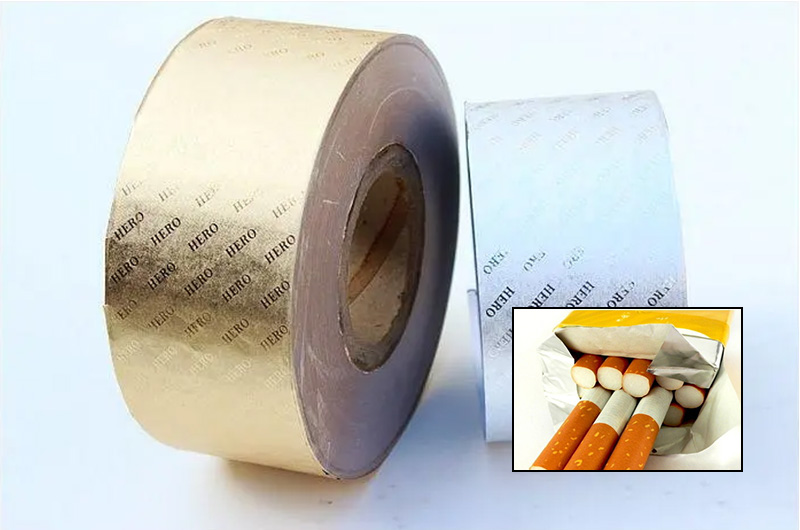
Finished cigarette inner liners can combine aluminum foil with paper to obtain the required balance of barrier, folding behavior, stiffness, appearance and packaging-machine performance.
The aluminum layer provides the metallic appearance and contributes the principal light and barrier characteristics of the laminate.
The paper contributes stiffness, fold behavior, print surface characteristics and converting performance. Paper grade and grammage should be specified for the intended packaging machine.
Adhesive selection influences laminate bond strength, odor, converting stability and aging behavior. Where a finished laminate is ordered, adhesive requirements should be included in the product specification.
Where printing is required, specify artwork, colors, registration tolerance, print side and required surface treatment. Printing performance depends on ink, foil or paper surface and converting process.
A lacquer can be specified where the finished inner liner requires controlled slip, protection or compatibility with downstream printing and packaging operations.
Embossing can create a textured, patterned or branded appearance. Embossing depth and pattern should be compatible with foil gauge, laminate structure and packaging-machine performance.
Silver metallic appearance can use the natural aluminum surface, while gold or other decorative appearances can require an appropriate lacquer, ink or conversion process. Final color should be approved against a representative sample.
At 6-9μm gauge, thickness control should be specified in micrometres or as an appropriate percentage tolerance. The agreed tolerance should reflect the required packaging performance and foil-production capability.
Pinhole count is one of the most important quality parameters for ultra-thin foil. Buyers should define the permitted number and size of pinholes for each foil gauge rather than relying only on nominal thickness.
Foil intended for adhesive lamination, lacquering or printing should be free from unacceptable rolling oil, contamination, corrosion marks and other surface conditions that interfere with converting.
Surface wettability is particularly important when adhesive, lacquer or printing ink must wet the aluminum uniformly. Required test method and acceptance grade should be stated when contractual.
Excessive burr, edge damage, telescoping or uneven winding can interfere with high-speed printing, laminating and packing equipment. Width tolerance and edge condition should therefore be agreed with the converter.
Reels should be wound consistently without unacceptable looseness, telescoping, wrinkles or edge deformation. Reel OD, core ID and winding direction should match the customer's machine.
High-speed cigarette packing places demanding requirements on inner-liner reels. Good foil alone does not guarantee stable packaging-machine performance; the complete laminate and reel construction must match the machine.
Provide core ID, maximum reel outside diameter, reel width and target reel weight according to the packaging or converting equipment.
Printed or coated inner liners may require a defined unwind direction so that the correct surface enters the packaging line in the required orientation.
If reel splices are permitted, the maximum number, splice material, marking method and machine-detection requirement should be agreed before production.
The foil-paper construction must fold cleanly without unacceptable delamination, tearing or excessive springback at the required machine speed.
Ultra-thin foil is sensitive to edge damage, moisture exposure and mechanical deformation during handling. Export packing should support the reel securely and protect the foil edges and surfaces during ocean and inland transport.
The listed packing uses waterproof protective material and steel strapping with seaworthy export protection. Final pallet, box, suspension or reel-support construction should be selected according to reel dimensions and shipping method.
Aluminum is a recyclable metal, but the recyclability of a finished cigarette inner liner depends on its complete construction, including paper, adhesives, inks, lacquers and the available local collection and separation infrastructure.
Environmental or chemical-compliance claims should be based on documentation for the actual aluminum, paper, adhesive, ink and coating system supplied. Compliance should not be inferred from the AA8079 alloy designation alone.
State whether you require bare AA8079 foil for your own converting process or a foil-paper inner-liner construction.
Specify the required foil gauge between 0.006mm and 0.009mm and the applicable thickness tolerance.
Provide the exact slit width required by the laminating, printing or cigarette-packing line. The listed finished-width range is typically 80-500mm.
For a foil-paper laminate, specify paper type, grammage, color and any printability or coating requirement.
Provide the permitted pinhole count or applicable acceptance standard for the ordered foil thickness.
Provide artwork, print colors, print side, registration requirements, embossing pattern and approved visual reference where applicable.
Specify required wettability, lacquer, slip characteristics or other surface condition needed for downstream adhesive, ink or packaging-machine performance.
Provide core ID, maximum outside diameter, reel weight and unwind direction according to your converting or packaging equipment.
Provide order quantity for each specification, packing requirement and delivery destination so the appropriate reel and export-packing arrangement can be confirmed.
Send Your Foil & Inner Liner Requirements
AA8079 is one of the commonly used alloys for ultra-thin cigarette packaging foil. Other foil alloys can also be used depending on the required converting and packaging performance.
The listed range for this product is 0.006-0.009mm, equivalent to 6-9μm.
O temper provides a soft, flexible foil condition that is useful for lamination, folding, wrapping and other converting operations associated with cigarette inner liners.
Not necessarily. Cigarette foil can refer to the bare aluminum layer, while cigarette foil paper commonly refers to a finished aluminum-foil-and-paper laminate used as an inner liner.
Paper grammage influences stiffness, folding behavior, feel, printability and performance on the packaging machine. It should be specified when a finished foil-paper laminate is required.
Pinholes create local discontinuities in ultra-thin foil and can influence effective barrier performance. Pinhole limits should therefore be specified according to gauge and packaging requirements.
Ultra-thin foil should use a tolerance appropriate to its actual micron-level gauge. Thickness tolerance should be agreed in micrometres or as a percentage according to the applicable specification and production capability.
Printing can be applied to a suitable treated, lacquered or laminated surface. Ink system, surface wettability, artwork and curing requirements should be matched to the actual converting process.
Yes, compatible foil or foil-paper laminates can be embossed. Pattern depth, foil gauge, paper construction and machine requirements should be considered together.
Silver, gold and other decorative appearances can be discussed according to the selected lacquer, printing or converting construction. Final appearance should be confirmed using an approved sample.
No single material determines complete package performance. Foil contributes light, moisture, gas and odor barrier properties, but the finished result also depends on pinholes, laminate structure, pack construction, sealing and storage conditions.
No. Tamper evidence is a property of the complete package design and opening system. The presence of aluminum foil alone does not establish a tamper-evident packaging claim.
Good and consistent wettability helps adhesives, coatings and printing inks spread correctly over the foil surface. The required test method and acceptance grade should be specified when relevant.
Critical defects can include excessive pinholes, wrinkles, roll marks, oil contamination, corrosion marks, scratches, holes, edge damage, telescoping and winding defects that interfere with converting or packaging.
Provide exact reel width, core ID, maximum reel OD, reel weight, unwind direction, splice requirement and any machine-specific winding tolerance.
Aluminum itself is recyclable. The recyclability of a finished foil-paper laminate depends on adhesives, inks, coatings, contamination and the available local recycling process.
No regulatory compliance should be assumed from the alloy designation alone. Where documentation is required, specify the applicable market regulation and required declarations or test reports for the actual supplied construction.
Please provide foil thickness, width, temper, bare foil or foil-paper laminate requirement, paper grammage, pinhole limit, surface wettability, printing or embossing requirements, core ID, reel OD, unwind direction, quantity, packing requirements and destination.
If you are sourcing 8079 aluminum foil for cigarette inner liners, tobacco packaging or foil-paper converting, send us your foil gauge, slit width, laminate construction, surface requirements, reel dimensions and quantity for technical confirmation and quotation.
High-quality 8079 cigarette aluminium foil with excellent barrier properties, moisture resistance and printability. Ideal for inner liner packaging to preserve tobacco freshness and aroma.
Cigarette aluminium foil serves as an inner liner to protect tobacco from moisture, air and light while preserving flavour and freshness. Typically silver or gold with brand printing, it provides tamper-evidence as it cannot be resealed once opened.
Lightweight and highly malleable, cigarette foil is essential for maintaining product quality during storage and transport. In many regions, foil packaging meets regulatory requirements for tobacco safety and purity.
Manufacturing involves casting → homogenization → surface treatment → hot rolling → cold rolling → foil rolling → washing → winding → annealing → final cutting.
Aluminium naturally forms a dense oxide layer that protects against further corrosion. This barrier enhances moisture-proofing, light-blocking and aroma preservation essential for tobacco packaging.
| Product Name | Cigarette Aluminium Foil |
| Alloy | 8079 |
| Thickness | 0.006 – 0.009 mm (typical for cigarette foil) |
| Width | Custom (typically 80–500 mm) |
| Standard | AISI, ASTM, DIN, JIS, GB, etc. |
| Technique | Hot rolled / Cold rolled |
| Thickness Tolerance | ±0.01 mm |
| Application | Cigarette inner liner, tobacco packaging foil |
| Export Packing | Waterproof paper + steel strip, standard seaworthy package |
Superior moisture, air and light barrier – preserves tobacco freshness
Excellent heat resistance during manufacturing and transport
Prevents odour/flavour transfer between cigarettes
Hygiene protection against external contaminants
Custom printable for branding and regulatory information
Easy-tear opening with tamper-evident design
Lightweight, environmentally friendly and recyclable
Products are packed to specification with protective boxes to prevent damage. Waterproof paper and steel strips ensure safe ocean transport.
Lightweight and portable with excellent barrier performance. Attractive appearance, strong sealing, environmentally friendly and recyclable – enhances product value.
Aluminium has replaced tin in most applications. Tin is toxic; approved aluminium alloys are food-safe.
Unlikely to consume toxic amounts from normal use.
Yes – compliant with RoHS, REACH and conflict minerals regulations.
Typically 3–4 days.
Yes, if clean and free of food residue.

