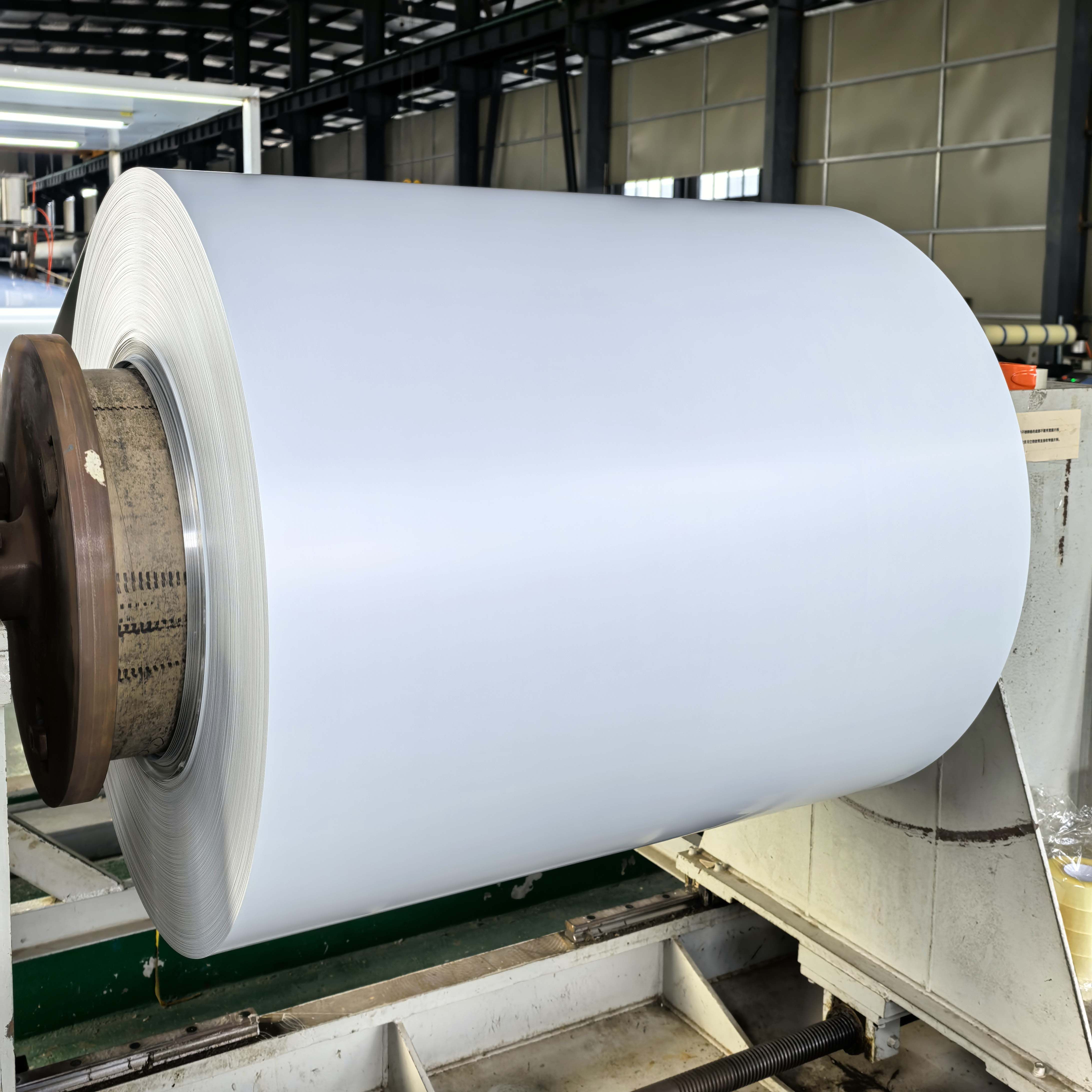
Painted aluminum coils—also widely known as color-coated aluminum coils or pre-painted aluminum coils—are essential materials used in modern architecture, transportation, home appliances, signage, and industrial manufacturing. Thanks to their lightweight properties, corrosion resistance, and decorative appearance, they have become one of the most widely used decorative metal materials in the global market.
However, during the production or application of painted aluminum coils, various defects may occur. These defects can negatively affect the product’s appearance, coating durability, corrosion resistance, and overall performance. In severe cases, defects may lead to product rejection, increased maintenance costs, or even structural failures in construction projects.
For manufacturers, distributors, and end users, understanding the causes of these defects is essential for improving quality control and ensuring long-term product performance.
This article analyzes five major factors that commonly cause defects in painted aluminum coils, while also explaining how professional painted aluminum coil manufacturers control these risks during production.
Understanding Painted Aluminum Coil Defects
A painted aluminum coil is produced through a continuous coil coating process, where an aluminum strip passes through several stages:
Cleaning and degreasing
Chemical pretreatment
Primer coating
Topcoat application
High-temperature curing
This process creates a durable decorative aluminum surface that provides both aesthetic and protective functions.
However, defects may appear at different stages of production. Common coating problems include:
Most of these issues originate from five main sources: substrate quality, coating materials, production equipment, manufacturing environment, and human operation.
1. Substrate Quality: The Foundation of Painted Aluminum Coil Performance
The aluminum substrate is the most fundamental component of any painted aluminum sheet or coil. If the base material contains defects, the final coating quality will inevitably be compromised.
Common Substrate Problems
Typical substrate-related issues include:
These defects can prevent the coating from forming a uniform film on the aluminum surface.
For example, if the aluminum coil surface contains oil residue or impurities, the coating may not bond properly. This can lead to:
Alloy Selection and Mechanical Properties
Professional painted aluminum coil manufacturers carefully select appropriate aluminum alloy grades such as:
1xxx series aluminum
3xxx series aluminum
5xxx series aluminum
Each alloy provides different mechanical and corrosion resistance properties.
High-quality substrates ensure:
If the base aluminum coil does not meet required specifications, even the best coating system cannot compensate for the defect.
Surface Pretreatment Importance
Before coating, aluminum coils must undergo surface preparation processes such as:
Degreasing
Acid cleaning
Conversion coating
Water rinsing and drying
This surface pretreatment process improves the bonding strength between the aluminum substrate and the coating layer.
Without proper pretreatment, coating adhesion failures may occur.
2. Coating Quality: The Core of Painted Aluminum Coil Performance
The coating system plays a crucial role in determining the appearance, durability, and corrosion resistance of painted aluminum coils.
High-quality coatings provide protection against:
UV radiation
Moisture
Chemical corrosion
Temperature fluctuations
However, poor coating materials or improper formulations can lead to several defects.
Common Coating Defects
Some typical coating-related defects include:
These problems directly impact the decorative aluminum coil surface.
Types of Coatings Used in Painted Aluminum Coils
Different coatings offer different performance characteristics.
Polyester Coating (PE)
Polyester-coated aluminum coils are commonly used in:
Interior decoration
Advertising boards
Home appliance panels
They offer good flexibility and moderate weather resistance.
PVDF Coating
PVDF-coated aluminum coils are widely used in architectural aluminum panels and curtain wall systems.
Advantages include:
Because of these properties, PVDF painted aluminum coils are often used for exterior building facades.
Silicone Polyester and Acrylic Coatings
These coatings provide improved durability and gloss retention, making them suitable for decorative and industrial applications.
When selecting coating materials, painted aluminum coil suppliers must consider:
High-quality coating materials significantly reduce defect rates.
3. Production Equipment: Precision Determines Coating Quality
The coil coating line equipment used in manufacturing plays a critical role in maintaining coating uniformity and consistency.
Modern painted aluminum coil production lines use automated systems to ensure precise control over coating thickness and curing conditions.
However, outdated or poorly maintained equipment may introduce defects.
Key Equipment Factors Affecting Quality
Important equipment parameters include:
Roller pressure
Coating roller speed
Line speed
Oven temperature
Tension control
If these parameters are not properly controlled, problems may arise such as:
Uneven coating thickness
Coating streaks
Paint shedding
Surface oxidation
Roller Coating Technology
The roller coating method is the most widely used technology for painted aluminum coils.
In this process, paint is transferred to the aluminum strip using rotating rollers.
Uniform coating depends on:
Roller surface condition
Roller spacing
Paint viscosity
Production speed
Even small deviations can affect the final coating quality.
Therefore, advanced pre-painted aluminum coil manufacturers invest heavily in precision coating equipment.
4. Production Environment: Cleanliness and Stability Matter
The production environment also has a major influence on the quality of painted aluminum coils.
Since coatings are applied in liquid form, they are highly sensitive to contamination.
Environmental Contaminants
Common environmental factors that cause coating defects include:
Dust particles
Airborne impurities
Oil vapors
High humidity
If dust particles settle on the aluminum surface during coating, they may create defects such as:
Pinholes
Surface bumps
Fish-eye patterns
These defects reduce both the visual quality and protective performance of the coating.
Importance of Clean Production Facilities
Professional painted aluminum coil factories operate in controlled environments with:
Dust filtration systems
Temperature control
Humidity regulation
Maintaining a clean and stable production environment helps ensure consistent coating quality.
5. Human Operation: Training and Process Discipline
Even with advanced equipment and high-quality materials, human error can still cause defects in painted aluminum coils.
The production process requires strict adherence to operating procedures.
Improper handling or incorrect settings may lead to unstable product quality.
Common Operator Mistakes
Typical operational errors include:
Incorrect coating thickness settings
Improper paint mixing
Inadequate curing temperature control
Poor inspection procedures
Such mistakes can cause defects including:
Importance of Operator Training
Leading painted aluminum coil manufacturers invest in employee training programs to ensure workers understand:
Strict quality management systems help minimize human errors and maintain consistent product performance.
Additional Factors That May Cause Defects
Besides the five main causes discussed above, other factors may also contribute to defects in painted aluminum coils.
These include:
Improper packaging or transportation
Mechanical damage during handling
Incorrect storage conditions
Excessive humidity exposure
To prevent damage, aluminum coils should be stored in dry environments and handled with proper protection.
How Manufacturers Prevent Painted Aluminum Coil Defects
Professional manufacturers implement comprehensive quality control systems throughout the production process.
These systems include:
Raw material inspection
Coating material testing
Real-time thickness monitoring
Adhesion testing
Salt spray corrosion testing
Visual inspection systems
Advanced coil coating production lines may also use automated sensors to detect coating defects early in the process.
Conclusion
Painted aluminum coils are highly versatile materials used in architecture, transportation, electronics, and industrial manufacturing. Their performance and durability depend heavily on the quality of the coating system and production process.
Defects in painted aluminum coils are typically caused by five main factors:
Substrate quality
Coating material performance
Production equipment accuracy
Manufacturing environment cleanliness
Human operation and process control
By improving raw material selection, coating technology, equipment precision, environmental control, and worker training, manufacturers can significantly reduce defect rates and produce high-quality pre-painted aluminum coils with excellent durability and aesthetic performance.
For buyers and project engineers, choosing experienced painted aluminum coil suppliers with strong quality management systems is essential to ensure reliable products and long-term performance.
Understanding these factors helps both manufacturers and customers avoid costly defects and achieve the full benefits of high-performance painted aluminum coils in real-world applications.

 English
 العربية
 Français
 Русский
 Español
 Português
 Deutsch
 italiano
 日本語
日本語 한국어
한국어 Nederlands
 Tiếng Việt
 ไทย
ไทย Polski
 Türkçe
 ភាសាខ្មែរ
 Bahasa Melayu
 Filipino
 Bahasa Indonesia
 magyar
 Română
 Čeština
 Монгол
 हिन्दी
 فارسی
فارسی Slovenčina
 Slovenščina
 Norsk
Norsk Svenska
 Ελληνικά
 Suomi
Suomi Latine
 Dansk
Dansk Shqip
Shqip Hrvatski
 Afrikaans
 Gaeilge
 Eesti keel
 latviešu
 Azərbaycan dili
 Беларуская мова
 ქართული
 íslenska
 Kinyarwanda
 Lietuvių
 Lëtzebuergesch
 Македонски
 Malti
Malti Türkmençe
 ئۇيغۇرچە
 Cymraeg