|


PPAL
DINGANG
| Quantity: | |
|---|---|
Pre-painted color coated aluminum strip is designed for roll forming and fabrication of exterior venetian blind slats, horizontal blinds, roller shutter components, architectural louvres and other compatible outdoor shading products.
Common substrate options include 3003, 3005 and 3105 aluminum, with H24 available for applications requiring a balance between formability and stiffness. Final alloy and temper should be selected according to the slat profile, forming radius, strip thickness, required rigidity and production equipment.
PVDF and polyester coating systems are available for exterior applications. Buyers can specify coating construction, color reference, gloss, forming requirements and contractual weathering tests according to the finished blind or shutter system.
The coated strip is supplied as a material for downstream fabrication. Final wind resistance, shading performance, operating noise, maximum blind dimensions, motor compatibility and thermal performance are properties of the complete blind or shading system and should be verified by the system designer or manufacturer.
Request Exterior Blind Strip Pricing
| Parameter | Available Specification |
|---|---|
| Product Type | Pre-painted color coated aluminum coil and strip for exterior blinds, shutters, slats and louvres |
| Common Alloys | 3003 / 3005 / 3105 |
| Common Temper | H24; other suitable tempers subject to profile and forming requirements |
| Thickness Range | 0.024-2.00mm, subject to alloy, temper, coating and slitting feasibility |
| Slitting Width | 15-2650mm, subject to the ordered material specification |
| Coating Systems | PVDF / PE polyester |
| Color Options | RAL K5 / RAL K7 / Pantone references / approved physical samples / custom colors |
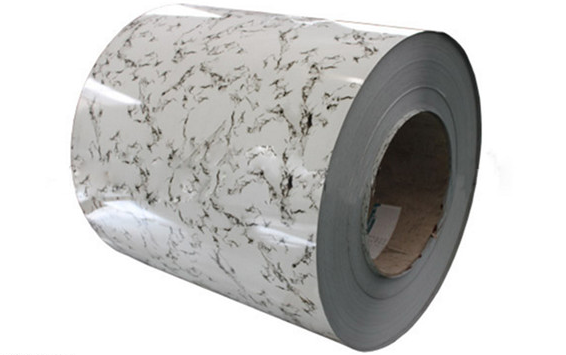
| Decorative Finishes | Solid colors, wood-grain effects and other agreed finishes subject to coating-system feasibility |
| Supply Formats | Coils / slit narrow strips / pre-cut slat material according to order requirements |
| Typical Applications | Exterior venetian blind slats, horizontal blinds, roller shutter components, architectural louvres and shading-system components |
For an accurate quotation, provide alloy, temper, strip thickness, width, slat-profile drawing, coating system, color reference, gloss requirement, forming process, quantity and required test criteria.
Send Your Slat Profile & Specification
The following values can be used as reference purchasing criteria when they are specified for the ordered coating system. Actual contractual acceptance should identify the coating chemistry, substrate, sample preparation, test method, test conditions and applicable standard revision.
| No. | Test Item | Reference Requirement | Test Method / Note |
|---|---|---|---|
| 1 | Coating Thickness | Total: 24μm nominal Primer: 5 ±1.5μm Top coat: 19 ±1.3μm | ASTM D1400 or agreed current method |
| 2 | Gloss at 60° | 30 ±5 gloss units Batch tolerance: ±3 units | ASTM D523 |
| 3 | Color Stability | NCS S-7500-N reference ΔL*, Δa*, Δb* ≤ ±0.7 ΔE*ab ≤1.0 | ASTM D2244; reference, illuminant, geometry and calculation method should be agreed |
| 4 | Pencil Hardness | Minimum F | ASTM D3363 |
| 5 | Impact Resistance | No cracking at the specified 10 N·m/mm reference condition | ASTM D2794; impact energy, specimen geometry and reported unit should be confirmed before contractual use |
| 6 | Cupping / Adhesion | No paint loss at 4mm cupping | EN ISO 1520 |
| 7 | T-Bend Flexibility | 1T with no specified coating cracking | ASTM D4145; bend direction and specimen temperature should be agreed |
| 8 | Accelerated UV Exposure | 1000h reference exposure Gloss retention ≥10% ΔE*ab ≤5 | Original reference ASTM G53 is withdrawn; use an agreed current fluorescent-UV method such as ASTM G154 / applicable coating practice |
| 9 | Natural Weathering | Florida outdoor exposure: 3 years Gloss retention ≥80% ΔE*ab ≤5 | 45° south-facing reference exposure; full exposure protocol and evaluation method should be agreed |
| 10 | Salt Spray Resistance | 1008h neutral salt spray / 504h acetic-acid salt spray reference No specified blistering | ASTM B117 for neutral salt spray; original ASTM B287 reference is withdrawn, so an agreed current equivalent such as ASTM G85 Annex A1 should be specified for acidified salt spray |
| 11 | Water Immersion | 1000h at 40°C No specified blistering Maximum 0.5mm creep | ASTM D870 with agreed specimen preparation and evaluation criteria |
These reference values should not be interpreted as a blanket certification for every color, alloy, coating chemistry or production batch. If any result is required for project acceptance, identify it in the purchase specification and confirm the applicable test report for the ordered coating system.
3003 is an Al-Mn alloy with useful corrosion resistance and formability. It can be evaluated for formed blind, shutter and louvre components when its mechanical properties meet the required profile design.
3005 can provide a useful combination of strength, formability and coating compatibility for roll-formed exterior slats and architectural shading components.
3105 is widely used in prepainted aluminum applications requiring continuous forming and decorative exterior surfaces. It can be considered for roller shutters, blind slats and related formed products.
H24 provides a partially strain-hardened and stabilized condition. Suitability depends on strip thickness, slat cross-section, roll-forming strain and the required finished rigidity.
PVDF coating can be selected for exterior architectural applications requiring demanding color and weathering performance. The exact coating construction, resin formulation, primer, topcoat, film thickness and performance criteria should be specified for the project.
The term PVDF alone should not be used to promise a fixed number of service years. Actual appearance retention depends on coating formulation, pigment, UV exposure, atmosphere, maintenance, slat orientation and production quality.
Polyester coating is commonly used on prepainted aluminum for blind, shutter and decorative applications. It can provide a cost-effective surface where its forming, color-retention and exposure characteristics satisfy the intended project conditions.
Coating selection should consider UV exposure, humidity, coastal salt, industrial atmosphere, forming radius, slat geometry, color and expected appearance rather than relying on coating-family name alone.
Exterior blind slats may use flat, curved, C-shaped, Z-shaped or other proprietary profiles. The required flat-strip width should therefore be calculated from the actual formed profile rather than selected only from the visible slat width.
Tighter radii place greater strain on both aluminum and coating. For demanding profiles, the alloy, temper, coating system and T-bend requirement should be evaluated together.
A coating that performs well on flat material is not automatically suitable for every roll-formed profile. Representative production material should be evaluated where tight bends, hems or severe forming are required.
Slit width and edge quality can affect stable roll feeding and finished slat dimensions. Where automatic forming equipment requires tight width tolerance, camber or edge-burr limits, these should be provided as numerical purchasing requirements.
RAL K5, RAL K7 and Pantone references can be used to communicate target colors where applicable. For critical architectural matching, an approved physical sample is preferred because coating chemistry, gloss and substrate appearance can influence the visual result.
Where numerical color tolerance is contractual, define the master standard, color-space calculation, illuminant, observer, instrument geometry and allowable difference.
The reference coating specification uses 30 ±5 gloss units at 60°, with a stated batch tolerance of ±3 units. Other gloss levels should be agreed before production if the architectural design requires a different appearance.
Wood-grain and other decorative finishes can be discussed where available. Exterior suitability should be confirmed for the actual decorative system, because not every printed or patterned finish has the same weathering capability.
Prepainted aluminum strip can be roll formed into compatible exterior venetian blind slats where alloy, thickness, profile geometry and coating system meet the blind manufacturer's requirements.
Color-coated aluminum is suitable for slat components used in adjustable horizontal external shading systems designed to control daylight and solar exposure.
Suitable prepainted strip can be supplied for compatible roller shutter slats and associated formed components. Roller-shutter requirements can differ from venetian-blind requirements, so profile drawings should be supplied with the inquiry.
Prepainted aluminum strip can be evaluated for formed louvre and shading components where the sheet gauge and profile provide the required stiffness and the supporting system is engineered for exterior loads.
Exterior blinds can reduce direct solar radiation before it reaches the glazing, but the actual shading and energy performance depends on the complete installed system.
Performance depends on slat width, curvature, spacing, tilt angle, color, solar properties, window orientation and glazing. Aluminum strip alone does not establish a solar heat-gain reduction value.
A thin aluminum slat should not be described as thermal insulation by itself. Overall thermal performance depends on the complete shading system, window and building envelope.
Operating noise depends on slat profile, guides, tapes, inserts, motor, wind conditions and installation. No fixed noise-reduction value should be attributed to the coated aluminum strip alone.
Motor compatibility is determined by the complete blind assembly, control system, blind dimensions and drive mechanism. The strip itself does not establish compatibility with every motorized or automated shading system.
Exterior slats can receive prolonged sunlight exposure. Required color and gloss retention should be specified through an agreed coating-performance requirement rather than a generic claim that the finish will never fade.
Coastal use requires consideration of coating system, salt deposition, exposed cut edges, contact with other metals, drainage and maintenance. Salt-spray laboratory results should not be treated as a direct prediction of field service life.
Wind resistance is controlled by the complete blind or louvre assembly, including slat profile, guides, fasteners, operating mechanism and maximum deployed dimensions. Strip thickness alone does not provide a wind rating.
| Ordering Item | Requirement |
|---|---|
| Minimum Order Quantity | 2-5 metric tons per specification |
| Required Inquiry Details | Alloy and temper, thickness, width, slat-profile drawing, coating type, color reference, gloss and quantity |
| Supply Formats | Coils, slit narrow strips or pre-cut slat material according to order requirements |
| Coil Core | 405mm / 505mm paper core according to the ordered configuration |
| Packing | Paperboard protection and wooden pallet packing for suitable ocean shipment |
Specify 3003, 3005 or 3105 and H24 where already defined, or provide the finished slat profile and required forming process for material selection.
Provide the exact flat-strip thickness and width required by the roll-forming line. Finished slat width alone may not equal the required flat-stock width.
Provide cross-section geometry, bend radii, hems and any perforations or punched features that affect coating flexibility or material forming.
Specify PVDF or polyester together with required coating thickness and any contractual flexibility, weathering, corrosion or adhesion requirements.
Provide an applicable RAL, Pantone or physical reference together with the required gloss range and color tolerance where these are critical.
Identify any required T-bend, pencil hardness, impact, cupping, UV exposure, natural weathering, salt spray, immersion or color-difference tests together with the applicable current standard and acceptance criteria.
Provide quantity for each specification and state whether the material is required as master coil, slit strip or pre-cut slat stock.
Send Your Exterior Blind Requirements
It is prepainted aluminum coil or slit strip supplied for roll forming into exterior blind slats, shutter components, louvres and related architectural shading products.
Common options include 3003, 3005 and 3105. Final selection depends on profile geometry, forming requirements and required finished rigidity.
H24 can be used for compatible roll-formed slats, but final suitability depends on alloy, gauge, bend radius, profile geometry and forming equipment.
The listed production range is 0.024-2.00mm, subject to alloy, temper, coating system, width and manufacturing feasibility.
The listed slitting range is 15-2650mm. Actual available width depends on material thickness, coil width and order specification.
The correct coating depends on exterior exposure, required weathering performance, forming severity, color, budget and project specification. PVDF should not be selected solely from a fixed service-life claim.
No universal service life should be guaranteed from the PVDF name alone. Exterior durability depends on the complete coating formulation, pretreatment, color, climate, orientation and maintenance conditions.
RAL K5, RAL K7, Pantone references and custom color matching are available according to coating-system feasibility. A physical reference is recommended for critical architectural matching.
Wood-grain effects can be discussed. Exterior weathering suitability should be confirmed for the actual decorative coating system before use.
A 1T reference indicates a coating-flexibility requirement under an agreed T-bend test. Bend direction, specimen temperature, substrate and pass/fail evaluation should be defined according to the applicable ASTM D4145 procedure.
No. ASTM G53 has been withdrawn. Where fluorescent-UV testing is required, the current applicable method and exposure cycle should be agreed, such as an ASTM G154-based procedure where appropriate.
ASTM B287 has been withdrawn. If an acetic-acid salt-spray test is required, specify the agreed current method, such as ASTM G85 Annex A1 where applicable.
No. Laboratory and outdoor exposure tests are useful for comparing coating performance under defined conditions, but they do not by themselves establish an exact number of years in every installation environment.
No. External blinds can reduce solar heat gain as a complete shading system, but thin aluminum strip is not a thermal-insulation material by itself.
No fixed acoustic value should be attributed to the strip alone. Noise depends on the complete blind construction, guides, inserts, operating mechanism, installation and wind conditions.
The material can be used in slats for compatible motorized systems, but motor and automation compatibility is determined by the complete blind design rather than the aluminum strip alone.
The listed minimum order quantity is 2-5 metric tons per specification, depending on the ordered configuration.
The listed packing configuration includes 405mm or 505mm paper cores, paperboard protection and wooden pallets for suitable ocean transportation.
Please provide alloy, temper, thickness, flat-strip width, slat-profile drawing, coating type, color reference, gloss requirement, required coating tests, supply format, quantity and delivery destination.
If you manufacture exterior venetian blinds, roller shutters, horizontal shading systems or architectural louvres, send us your alloy, strip dimensions, slat profile, coating system, color requirement and order quantity for technical confirmation and quotation.