In the global metal supply chain, packaging is just as important as manufacturing quality. For products such as color-coated aluminum coils, proper packaging protects the material from mechanical damage, moisture, deformation, and coating scratches during storage and transportation.
Color-coated aluminum coils—also known as pre-painted aluminum coils, coated aluminum sheet coils, or architectural aluminum coils—are widely used in roofing, façade panels, ceilings, curtain walls, insulation panels, and many other construction applications. Because these coils often travel long distances from manufacturers to distributors, contractors, or project sites, packaging methods play a critical role in ensuring product integrity.
There are two main packaging methods used by most manufacturers:
Horizontal packaging
Vertical packaging
Each method has its own advantages, costs, and use scenarios. Understanding the difference helps buyers choose the right option for their logistics conditions and quality requirements.
This article explains the structural differences, transportation impact, cost considerations, and best-use scenarios for both packaging methods.
Understanding Color-Coated Aluminum Coils
Before discussing packaging, it is helpful to understand the characteristics of color-coated aluminum coils.
Color-coated aluminum coils are aluminum sheets that undergo a continuous coating process. The process typically includes:
surface cleaning
chemical pretreatment
primer coating
topcoat painting
curing and cooling
Common coating systems include:
PE (Polyester coated aluminum coil)
PVDF coated aluminum coil
SMP coated aluminum
FEVE fluoropolymer coating
Because the coating layer determines the appearance and durability of the material, protecting it during transport is essential. Scratches, edge dents, or moisture exposure can reduce product value and performance.
This is why manufacturers carefully design packaging systems to secure the coils.
The Two Main Packaging Methods
Manufacturers typically ship color-coated aluminum coils using two orientations:
Horizontal packaging (eye to sky)
Vertical packaging (eye to wall)
These terms describe how the coil eye (the hollow center of the coil) is positioned during transport.
Each method has different implications for stability, safety, and handling.
Horizontal Packaging of Color-Coated Aluminum Coils
What Is Horizontal Packaging?
Horizontal packaging is the most commonly used method in the aluminum coil industry. In this arrangement, the coil is placed flat on its side with the coil eye facing upward.
This orientation allows coils to be stacked and transported efficiently.
Most color-coated aluminum coil manufacturers use horizontal packaging as the default shipping method.
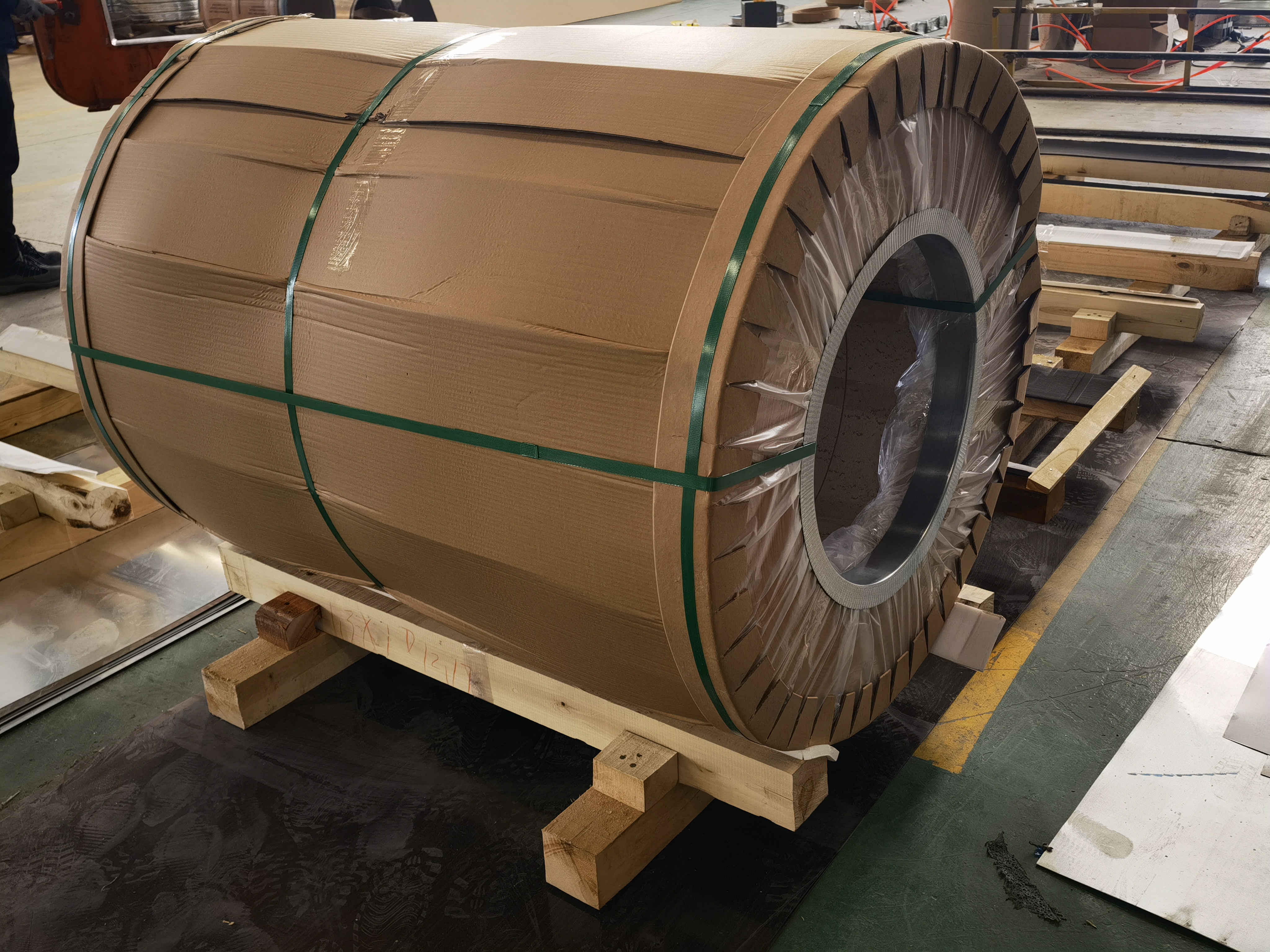
Structure of Horizontal Packaging
A typical horizontal packaging system includes multiple protective layers:
Outer Protection
This outer shell prevents physical damage during transport.
Inner Protection
Inside the metal cover, manufacturers typically use:
These layers prevent condensation, oxidation, and corrosion.
Coil Core Diameter
Most aluminum coils follow standard core diameters:
These sizes match common industrial equipment such as decoilers and roll-forming machines.
Optional Iron Sleeve Protection
Some customers request an inner iron sleeve to strengthen the coil core.
The iron sleeve helps:
However, iron sleeves increase packaging costs and weight. Therefore, they are usually applied only for:
Different suppliers may charge different fees for this feature.
Advantages of Horizontal Packaging
Horizontal packaging offers several operational advantages.
Efficient Loading
This method allows forklifts and cranes to load coils quickly, improving warehouse efficiency.
Lower Packaging Costs
Because the structure is simpler, horizontal packaging requires fewer materials and less labor.
High Transport Density
More coils can be loaded onto trucks or containers, reducing freight costs.
Industry Standard
Most logistics systems and warehouses are designed around horizontal coil transport.
For bulk orders of pre-painted aluminum coils or coated aluminum roofing materials, horizontal packaging remains the most economical solution.
Limitations of Horizontal Packaging
Despite its popularity, horizontal packaging also has certain risks.
Risk of Coil Collapse
If the coil is not properly secured, pressure during transport can cause deformation.
Edge Damage
Movement inside containers may lead to scratches or dents.
Heavy Load on Core
The coil's weight rests on the inner core, which can sometimes cause deformation.
These issues are more likely during long-distance transport, especially international shipping.
Vertical Packaging of Color-Coated Aluminum Coils
What Is Vertical Packaging?
Vertical packaging positions the aluminum coil upright with the coil eye facing sideways.
This method has gained popularity in recent years as buyers demand better protection for coated surfaces.
Many suppliers now offer vertical packaging for high-end architectural materials.
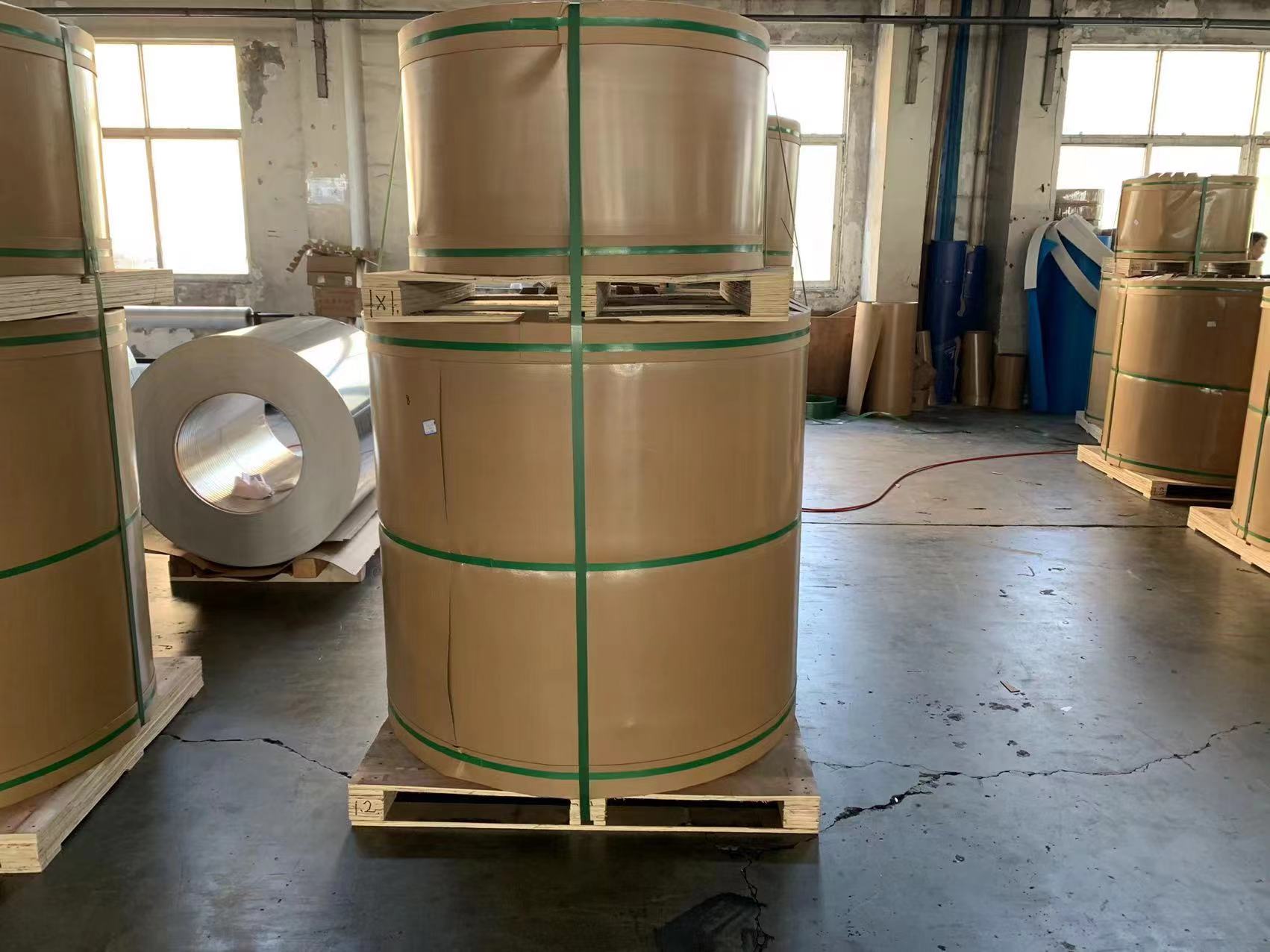
Structure of Vertical Packaging
Vertical packaging generally uses stronger structural protection.
Typical components include:
The coil stands securely on a pallet, which reduces pressure on the core.
Advantages of Vertical Packaging
Vertical packaging provides several important benefits.
Reduced Risk of Coil Collapse
The coil stands upright, distributing weight evenly and preventing deformation.
Better Surface Protection
Because movement is limited, the coating surface is less likely to be scratched.
Improved Transportation Stability
Vertical coils are less likely to shift inside containers or trucks.
No Need for Iron Sleeves
The vertical position naturally protects the coil core, eliminating the need for additional internal supports.
For premium PVDF coated aluminum coils, this method significantly reduces the risk of damage.
Why More Buyers Are Choosing Vertical Packaging
As architectural aluminum products become more sophisticated, customers increasingly demand flawless surface quality.
Scratches, dents, or coating damage can lead to:
installation delays
project rejection
financial losses
Vertical packaging offers better protection, making it increasingly popular for:
Disadvantages of Vertical Packaging
Although safer, vertical packaging has some drawbacks.
Higher Cost
More materials and labor are required.
More Complex Loading
Handling vertical coils requires experienced operators and specialized equipment.
Lower Container Efficiency
Fewer coils can be loaded per shipment.
Because of these factors, vertical packaging is typically used for:
Comparison: Horizontal vs Vertical Packaging
| Feature | Horizontal Packaging | Vertical Packaging |
| Industry usage | Most common | Increasingly popular |
| Cost | Lower | Higher |
| Loading efficiency | Fast | Slower |
| Transport stability | Moderate | High |
| Surface protection | Standard | Excellent |
| Risk of coil collapse | Possible | Very low |
| Need for iron sleeve | Sometimes | Usually unnecessary |
| Suitable products | Standard roofing coils | Premium coated coils |
When to Choose Horizontal Packaging
Horizontal packaging is suitable for many common applications.
It is often used when:
transportation distance is short
budget is limited
product thickness is high
surface quality is not extremely sensitive
Examples include:
For many color-coated aluminum roofing coils, this method remains efficient and cost-effective.
When to Choose Vertical Packaging
Vertical packaging is recommended when:
products have premium coatings
transportation distance is long
projects require perfect surface appearance
international shipping is involved
coils are thinner or more delicate
Applications include:
architectural curtain walls
aluminum composite panels
decorative aluminum systems
high-end building materials
Many modern construction projects now specify vertical packaging to reduce risk.
Packaging Materials Used for Color-Coated Aluminum Coils
High-quality manufacturers typically use multiple protective materials.
Common materials include:
These materials help protect pre-painted aluminum coils from:
humidity
salt exposure
scratches
pressure damage
Export Packaging Standards
Export shipments often require stricter packaging standards.
Manufacturers may provide:
fumigation-certified wooden pallets
sealed moisture-proof packaging
container securing systems
corner protection structures
international shipping labels
Proper export packaging ensures the aluminum coils arrive safely after long sea transport.
Logistics Considerations for Aluminum Coil Shipping
Several logistics factors influence the choice of packaging.
Distance
Longer transport routes increase risk.
Handling Frequency
Multiple transfers require stronger protection.
Climate
Humidity and temperature changes can affect coating quality.
Transportation Method
truck transport
rail freight
sea shipping
intermodal logistics
Manufacturers typically recommend packaging methods based on these conditions.
Industry Trends in Coil Packaging
The aluminum industry is evolving toward safer packaging methods.
Key trends include:
Smart Packaging
Sensors that monitor shock and tilt during transport.
Sustainable Materials
Recyclable packaging materials.
Improved Moisture Protection
Advanced vapor barriers.
Customized Packaging Solutions
Tailored packaging for specific industries.
These innovations improve safety for architectural aluminum coil transportation.
Tips for Buyers Ordering Color-Coated Aluminum Coils
When placing orders, buyers should confirm several packaging details.
Ask suppliers about:
packaging orientation
pallet strength
moisture protection
coil securing method
container loading plan
edge protection
Request photos of packaging before shipment whenever possible.
This helps avoid misunderstandings and ensures quality expectations are met.
Conclusion
Packaging is a critical part of delivering high-quality color-coated aluminum coils safely to customers. While horizontal packaging remains the traditional and cost-effective method used by most manufacturers, vertical packaging provides superior protection for high-value coated materials.
Horizontal packaging offers advantages in efficiency and cost, making it suitable for many standard construction applications. Vertical packaging, on the other hand, significantly improves transportation safety and surface protection, making it ideal for premium architectural projects and long-distance shipments.
As customer expectations for product quality continue to rise, more buyers are choosing vertical packaging despite its higher cost. Ultimately, selecting the right packaging method depends on transportation conditions, project requirements, and the value of the material being shipped.
By understanding these differences, buyers can ensure their pre-painted aluminum coils arrive in perfect condition and ready for use in construction, manufacturing, and architectural projects.

 English
 العربية
 Français
 Русский
 Español
 Português
 Deutsch
 italiano
 日本語
日本語 한국어
한국어 Nederlands
 Tiếng Việt
 ไทย
ไทย Polski
 Türkçe
 ភាសាខ្មែរ
 Bahasa Melayu
 Filipino
 Bahasa Indonesia
 magyar
 Română
 Čeština
 Монгол
 हिन्दी
 فارسی
فارسی Slovenčina
 Slovenščina
 Norsk
Norsk Svenska
 Ελληνικά
 Suomi
Suomi Latine
 Dansk
Dansk Shqip
Shqip Hrvatski
 Afrikaans
 Gaeilge
 Eesti keel
 latviešu
 Azərbaycan dili
 Беларуская мова
 ქართული
 íslenska
 Kinyarwanda
 Lietuvių
 Lëtzebuergesch
 Македонски
 Malti
Malti Türkmençe
 ئۇيغۇرچە
 Cymraeg