
 |



PPAL
DINGANG
| Quantity: | |
|---|---|
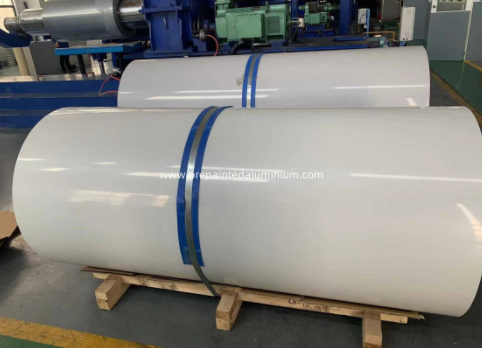
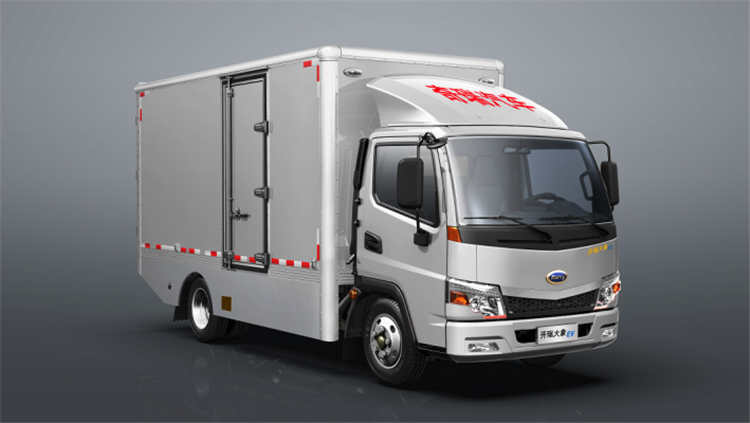
2500mm extra-wide prepainted aluminum sheet is designed for truck bodies, van bodies, trailer sidewalls, refrigerated vehicle panels and other large transportation panels where wide coverage, low weight and a factory-finished surface are required.
The extra-wide format allows vehicle manufacturers to cover large sidewall areas with fewer longitudinal joints. Reducing unnecessary seams can simplify panel layout and help create a cleaner exterior appearance, particularly on box trucks, vans, trailers and insulated vehicle bodies.
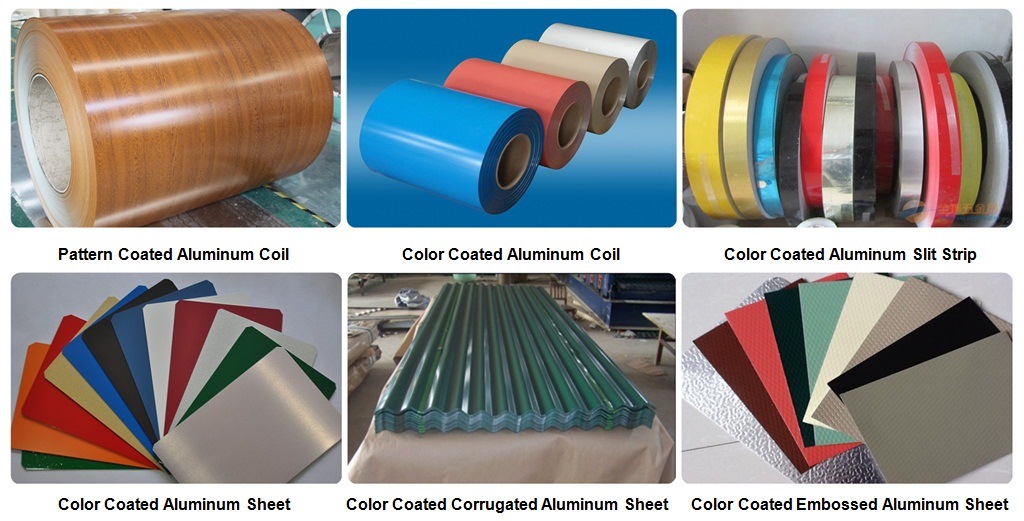
Dingang supplies PE- and PVDF-coated aluminum in multiple alloys, tempers, thicknesses and colors. Material can be supplied according to vehicle-panel width, forming method, fastening or bonding process, coating requirement and export-packing needs.
Request 2500mm Truck Body Aluminum Price
| Product | Extra-wide prepainted / color-coated aluminum sheet or coil for vehicle bodies |
| Primary Width | 2500 mm for this vehicle-body product |
| Listed Production Width Range | 30–2650 mm; final capability depends on alloy, thickness, coating system, coil weight and finished supply form |
| Thickness Range | 0.10–2.50 mm according to the listed product range |
| Available Alloys | AA1050, 1060, 1100, 3003, 3004, 3105, 5052, 5005, 5754, 5083, 6061, 6063, 8011 and application-specific options |
| Available Tempers | O, H16, H18, H22, H24 and other project-specific tempers according to alloy and fabrication requirements |
| Coating Options | PE, PVDF and project-specific coating systems |
| General Coating Thickness Reference | PVDF: more than 25 µm; PE: more than 18 µm according to the listed general product specification |
| Colors | RAL colors, fleet colors or colors matched to an approved customer sample |
| Coil Inner Diameter | 150 mm, 405 mm, 505 mm and application-specific requirements subject to confirmation |
| Listed Coating Hardness | More than 2H pencil hardness in the general specification |
| Impact Resistance | Listed reference: no cracking or peeling after the specified impact test |
| Flexibility | Listed reference: T-bend no more than 2T for the applicable coating configuration |
| MEK Resistance | More than 100 according to the listed general coating specification |
| Supply Forms | Extra-wide coil, prepainted sheet or cut-to-length vehicle-body material according to confirmed dimensions |
| Main Applications | Truck sidewalls, van bodies, refrigerated vehicle skins, trailer bodies, box-body panels and other large transportation panels |
A 2500 mm wide sheet can cover substantially more of a truck or van sidewall than standard narrow sheet. Depending on the vehicle design, the wider format can reduce the number of seams, overlaps and joint details required across the visible panel.
Large smooth sidewall panels make color consistency, gloss and surface flatness highly visible. Using wider material can help manufacturers create continuous painted surfaces with fewer visual interruptions.
Aluminum combines relatively low density with practical corrosion resistance, making it suitable for vehicle skins where body weight and exterior durability are important design considerations.
Prepainted aluminum is coated before vehicle-body fabrication. For compatible production systems, this reduces the need to paint large completed sidewall panels after fabrication and allows color and gloss to be controlled during the coating process.
The broad listed alloy range does not mean every alloy is equally suitable for every truck-body construction. Vehicle manufacturers should select the substrate according to panel strength, stiffness, forming requirements, fastening method and service environment.
AA3003, AA3004 and AA3105 can be considered for suitable skins, liners and formed panels where moderate strength, corrosion resistance and practical formability are required.
AA5052, AA5754 and related 5000-series alloys can be evaluated where the vehicle design requires higher strength or enhanced corrosion resistance. The correct temper should be selected according to forming and panel-construction requirements.
The aluminum skin should be evaluated together with the frame, adhesive, fasteners, insulation or panel core. Alloy and temper selection should therefore be based on the complete body-panel design rather than the aluminum sheet alone.
Discuss Your Vehicle Body Alloy
| Selection Factor | PE Coating | PVDF Coating |
| Typical Positioning | General vehicle-body and interior applications | More demanding exterior applications requiring enhanced weathering performance |
| Listed General Film Thickness | More than 18 µm | More than 25 µm in the general product specification |
| Selection Basis | Cost, interior/exterior location, forming and cleaning requirements | UV exposure, exterior weathering, required appearance retention and project specification |
| Final Approval | Confirm coating system, substrate, pretreatment, film thickness, color and fabrication requirements on the approved production specification | |
The following values are the listed paint-performance references for this product range. Because the general specification and the coating-performance table describe different coating constructions, the final approved film build and test criteria should be stated clearly on the purchase specification.
| Test Item | Paint | ||
| PVDF | PE and Others | ||
| With Varnish | Without Varnish | ||
| Paint Film Thickness | ≥22 µm | ≥30 µm | ≥18 µm |
| Shine Tolerance | Shine ≥80 units: ±10 units allowed; Shine 20–80 units: ±7 units allowed; Shine <20 units: ±5 units allowed | ||
| Pencil Hardness | ≥1H | ||
| Abrasion Resistance | ≥5 L/µm | — | |
| T-Bend | ≤2T | ≤3T | |
| Impact Strength | 50 kg·cm without coating loss or cracking according to the listed requirement | ||
| Adhesion Class | ≥1 | ||
| Boiling Water Resistance | Listed result: unchanged | ||
| Acid Resistance | Listed result: unchanged | ||
| Alkali Resistance | Listed result: unchanged | ||
| Oil Resistance | Listed result: unchanged | ||
| Solvent Resistance | ≥70 | ≥50 | |
| Scrub Resistance | ≥10,000 cycles with no listed change | ||
| Dirt Resistance | ≤15% | — | |
| Salt Spray Resistance | ≥2 class | — | |
Flatness becomes increasingly important as panel width increases. Small waves, edge deformation or coating variation that may be less visible on a narrow strip can become noticeable across a large truck or van sidewall.
Buyers should specify the required flatness, edge wave, surface appearance and width tolerance according to the lamination, fastening or panel-forming process.
For smooth high-gloss panels, careful handling and surface protection are particularly important because dents, scratches, pressure marks and adhesive read-through can be more visible on a large uninterrupted surface.
Extra-wide aluminum skins may be laminated or bonded to foam, plywood, honeycomb or composite panel cores. When bonding is used, the reverse-side surface condition must be compatible with the selected adhesive and production temperature.
A representative panel trial is recommended before mass production to verify adhesive compatibility, panel flatness, surface appearance and bond performance using the customer's actual core and adhesive.
For riveted, screwed or mechanically fastened vehicle skins, alloy, temper and thickness should be selected to provide suitable performance around drilled or punched holes and to control local deformation around the fasteners.
Discuss Your Body Panel Construction
Box truck exterior sidewalls
Commercial van body panels
Refrigerated truck exterior skins
Cold-chain van panels
Cargo trailer sidewalls
Enclosed trailer body skins
Specialty vehicle compartments
Large vehicle roof panels where the approved construction permits
Other extra-wide transportation body panels
Exterior panels should be specified for the actual exposure environment, including sunlight, rain, humidity, road contamination, washing chemicals and any required color-retention or corrosion-performance criteria.
Interior liners can have different requirements from the exterior skin. For refrigerated or service vehicles, cleanability, moisture exposure, condensation and approved cleaning agents should be considered separately.
Vehicle colors can be specified according to a RAL reference or an approved physical sample. For fleet programs, maintaining an approved production color reference helps improve consistency between different manufacturing batches and replacement panels.
White and other high-reflectance colors are commonly used on box bodies and refrigerated vehicles, while project-specific colors can be selected for commercial fleets and branded vehicles.
Gloss, coating thickness and surface appearance should be agreed before mass production, particularly where several extra-wide panels will be installed adjacent to each other on one vehicle.
Vehicle-body aluminum may be cut, drilled, punched, bent, profiled, laminated or mechanically fastened depending on the body construction. The selected alloy, temper and coating must be compatible with the required operation.
Where panels are bent around corners or formed into profiles, coating flexibility should be verified against the actual bend radius. T-bend data are useful references, but production trials using the intended tooling provide a more reliable evaluation.
Where graphics, decals or protective films will be applied, compatibility should also be checked with the selected coating surface before large-scale vehicle production.
Confirm actual sheet or coil width and thickness against the approved body-panel drawing. Extra-wide material should be ordered with tolerances appropriate for the downstream cutting and assembly process.
Inspect the full sheet width for edge wave, center buckle and other shape deviations that may affect large-area lamination or visible sidewall appearance.
Color, gloss and coating appearance should remain consistent across the usable width. This is particularly important on smooth sidewall panels with large uninterrupted visible surfaces.
Check for scratches, dents, pressure marks, coating defects, stains and handling damage before lamination or vehicle assembly.
For a new vehicle model, adhesive, coating system or panel structure, produce and evaluate a representative trial panel before bulk material approval.
The listed packing method is export-standard seaworthy packing with wooden pallets. Material can be packed horizontally or vertically according to the agreed supply form and handling requirements.
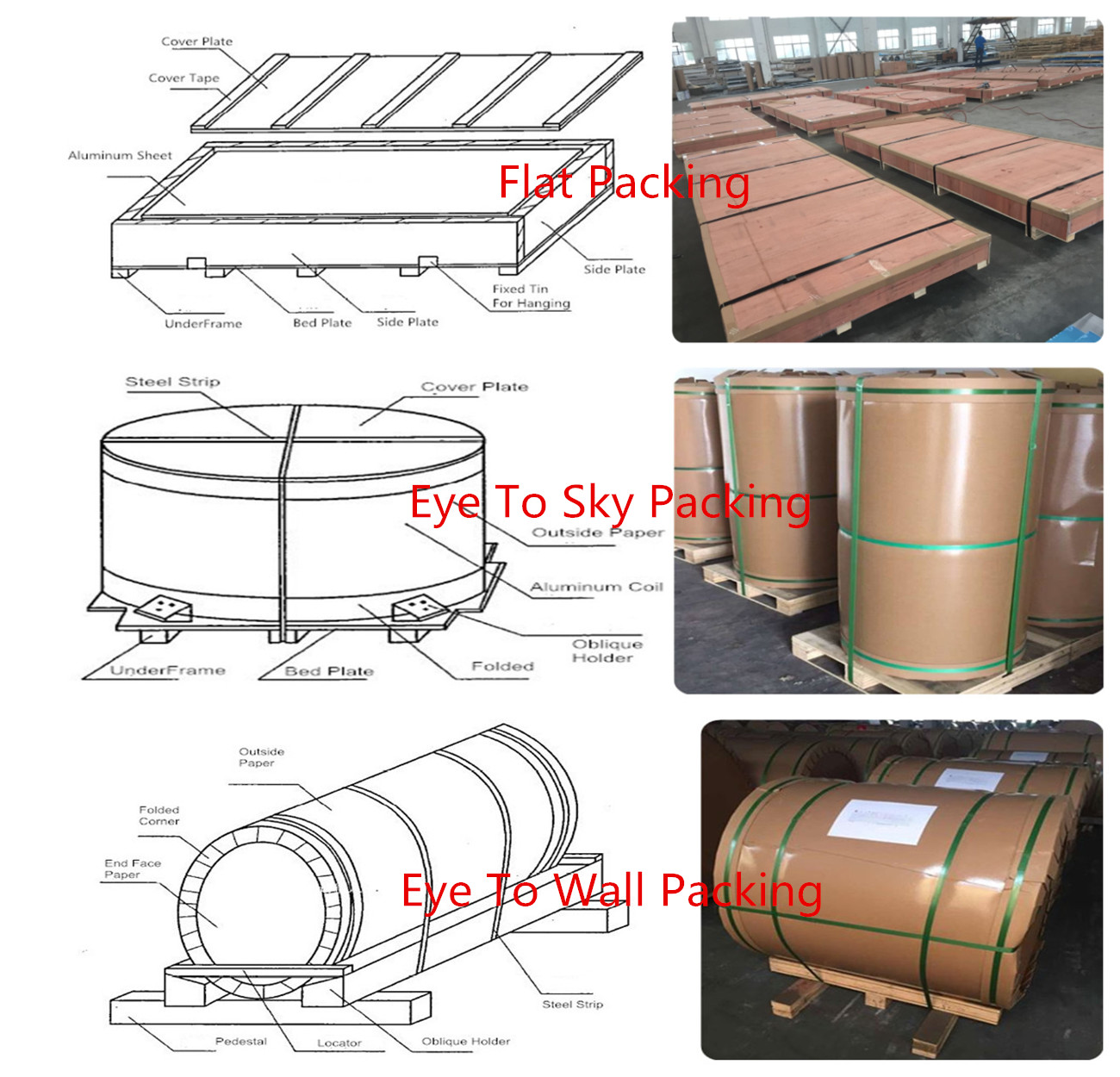
For extra-wide sheet, packing should protect the panel edges and painted surface against handling damage during loading, ocean transportation and unloading. Final pallet dimensions and lifting requirements should be agreed according to sheet dimensions and shipment method.
Extra-wide coated aluminum can be used as a lightweight exterior skin or panel material for appropriate truck, van, trailer and specialty-vehicle body constructions. Material selection should reflect whether the panel is bonded, mechanically fastened or formed before assembly.
Specify whether the material will be used for a box truck, commercial van, refrigerated body, trailer or another specialty vehicle, and whether it is an exterior sidewall, roof, interior liner, door or compartment panel.
Provide the required finished sheet or coil width. This product is positioned around 2500 mm extra-wide vehicle material, while the listed production capability extends to 2650 mm subject to technical confirmation.
The listed broad thickness range is 0.10–2.50 mm. The actual vehicle-body thickness should be selected according to panel structure, alloy, strength requirement, core material and fastening or bonding method.
Provide the existing vehicle specification or required mechanical properties. Do not select an alloy only from the broad production list; the actual material should match panel strength, forming and corrosion requirements.
Define whether the panel is for exterior or interior use and provide the required weathering, color, gloss, cleaning and forming requirements so the coating system can be evaluated.
State whether the aluminum will be laminated to foam, plywood, honeycomb or composite board, or mechanically attached to a structural frame. For bonded panels, provide the adhesive and lamination conditions.
Provide the required RAL color or approved sample together with gloss and surface requirements. For existing fleet programs, supplying the current approved panel sample can improve repeat color matching.
Specify coil or cut-to-length sheet, maximum coil or pallet weight, unloading method, required sheet length and any special protective packaging needed for extra-wide material.
Send Your Vehicle Body Panel Specification
For an accurate quotation, please provide the vehicle type, panel position, finished width, thickness, sheet length or coil requirement, alloy and temper if known, coating type, color, gloss, bonding or fastening method, required quantity, packing requirement and destination port.
For bonded or laminated body panels, please also provide the core material, adhesive type, lamination temperature and any reverse-side surface requirement. For a new vehicle model, a representative panel trial is recommended before full production.
Get an Extra-Wide Aluminum Quote
It is used for large vehicle-body panels such as truck sidewalls, van bodies, refrigerated vehicle skins, trailer sidewalls and other transportation panels requiring a wide factory-coated aluminum surface.
The current listed production range extends to 2650 mm. Final maximum width depends on alloy, thickness, coating system, coil or sheet format and order requirements.
The listed broad production range is 0.10–2.50 mm. Vehicle-body specifications should be selected according to panel construction, alloy, strength and fabrication method rather than using the full range as a fixed truck-body specification.
Suitable alloy depends on the body construction and required strength. 3000-series alloys can be considered for suitable skins and liners, while 5000-series alloys such as 5052 and 5754 can be evaluated where higher strength or corrosion resistance is required.
PE is commonly considered for general coated panels, while PVDF can be evaluated where stronger exterior weathering and color-retention performance are required. Final selection should reflect climate, exposure and project requirements.
It can be evaluated for bonded body panels, but adhesive compatibility must be verified with the actual reverse-side surface, adhesive, core material, lamination temperature and production process.
Color can be discussed according to a RAL reference or an approved physical sample. For repeat fleet production, retaining an approved master color reference is recommended.
A large sidewall makes edge wave, center buckle and other shape deviations more visible and can also affect bonding or lamination. Flatness should therefore be agreed as part of the panel specification.
Cut-to-length supply can be discussed according to width, thickness, sheet length, flatness, handling and packing requirements. Very large sheets require project-specific logistics confirmation.
The listed product uses seaworthy wooden-pallet packing, with horizontal or vertical configurations according to the agreed material form and customer handling requirements.
Yes, especially when introducing a new adhesive, alloy, coating, bend geometry or body-panel construction. A representative trial helps verify bonding, forming, flatness and final appearance before bulk production.
Please provide vehicle type, panel location, width, thickness, sheet length or coil format, alloy and temper if known, coating type, color, gloss, assembly method, quantity, packing requirements and destination.


