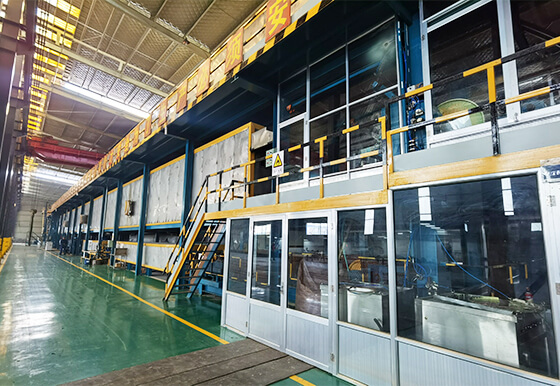
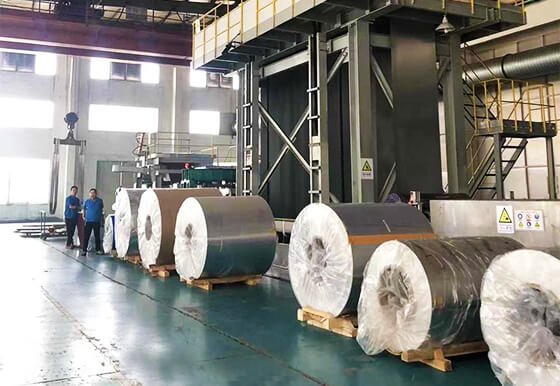
First, it reduces light pollution—the low gloss level (typically 30–40 degrees) minimizes strong light reflection, avoiding glare interference with the surrounding environment in applications like building exteriors or outdoor facilities, which aligns with modern aesthetic and environmental needs.
Second, it conceals surface imperfections—the matte texture effectively hides minor scratches, dents, or unevenness on the aluminum surface, whereas a glossy finish would amplify these defects and detract from the product’s appearance.
Third, it enhances durability—matte coatings are generally more wear-resistant and scratch-resistant, less prone to surface damage from daily contact or environmental factors (e.g., dust, rain), and maintain a consistent appearance over time.
Finally, it improves visual comfort—the non-reflective surface creates a softer, more natural visual experience, making it ideal for indoor decorations (e.g., ceilings, walls) or scenarios where reducing visual fatigue is important (e.g., electronic device housings).
In summary, the matte finish is a more optimal choice that balances functionality and aesthetics, particularly suitable for outdoor or high-end indoor applications where durability, appearance consistency, or light environment requirements are high.

 English
 العربية
 Français
 Русский
 Español
 Português
 Deutsch
 italiano
 日本語
日本語 한국어
한국어 Nederlands
 Tiếng Việt
 ไทย
ไทย Polski
 Türkçe
 ភាសាខ្មែរ
 Bahasa Melayu
 Filipino
 Bahasa Indonesia
 magyar
 Română
 Čeština
 Монгол
 हिन्दी
 فارسی
فارسی Slovenčina
 Slovenščina
 Norsk
Norsk Svenska
 Ελληνικά
 Suomi
Suomi Latine
 Dansk
Dansk Shqip
Shqip Hrvatski
 Afrikaans
 Gaeilge
 Eesti keel
 latviešu
 Azərbaycan dili
 Беларуская мова
 ქართული
 íslenska
 Kinyarwanda
 Lietuvių
 Lëtzebuergesch
 Македонски
 Malti
Malti Türkmençe
 ئۇيغۇرچە
 Cymraeg


 CHARACTERISTICS