6061 anodized aluminum sheet
DINGANG
7606125000
| Availability: | |
|---|---|
| Quantity: | |
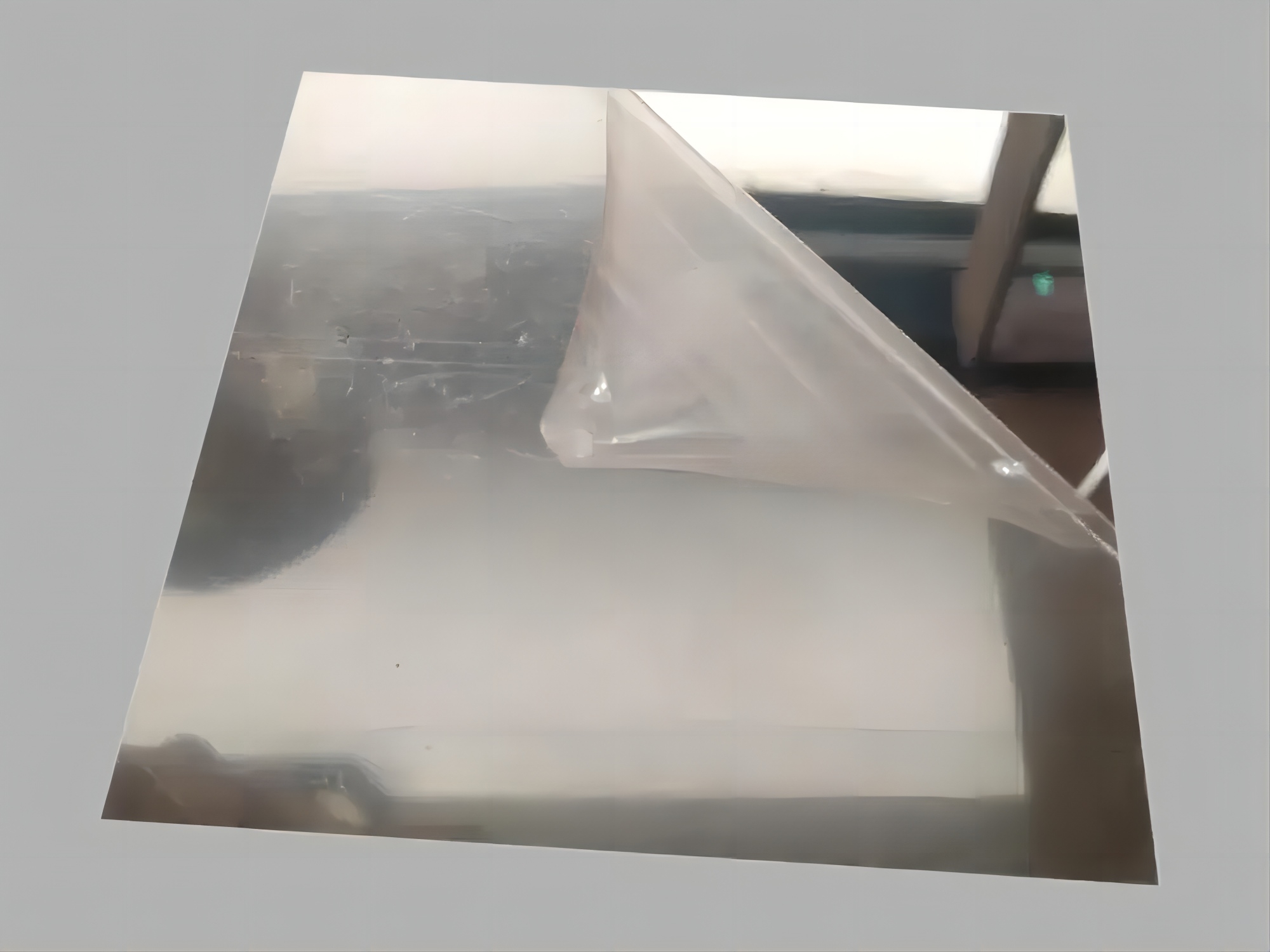
6061 anodized mirror aluminum sheet is an aluminum sheet that has undergone anodization, an electrochemical process that enhances the natural oxide layer on the aluminum surface. The anodized layer becomes thicker, harder, more durable, and suitable for decorative mirror finishes and color customization.
The purpose of anodizing is to form a protective aluminum oxide layer around the substrate to improve corrosion resistance, fatigue resistance, surface hardness, and decorative appearance. Unlike paint or plating, the anodic layer is integrated with the aluminum substrate and provides a porous structure that supports coloring and sealing.

| Product | Anodized aluminum sheet |
| Alloy | 6061 |
| Thickness | 0.17mm to 1mm |
| Width | 1000mm, 1200mm, 1250mm |
| Colors | All colors or as per client requirements |
| Tensile Strength | 130 MPa |
| Yield Strength | 115 MPa |
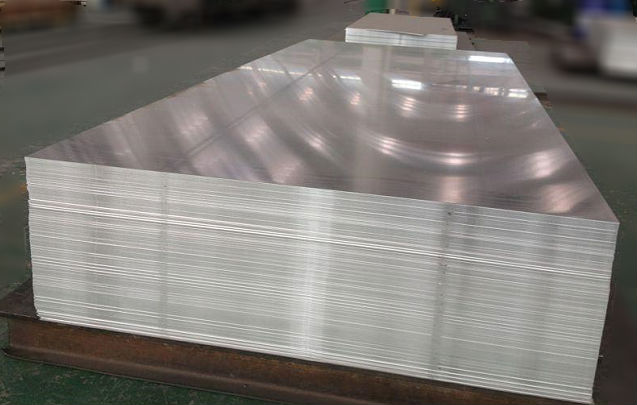
| Packing | Export standard wooden pallets, as per requirements |
| Payment Terms | 30% T/T in advance as deposit, 70% balance against the B/L copy, or 100% irrevocable L/C at sight |
| Minimum Order Quantity | 1 ton, according to specifications |
| Delivery Time | 25 days after receiving L/C or deposit |
The anodized layer is harder than the original aluminum surface, making the sheet more resistant to scratches, wear, and corrosion during handling, fabrication, and long-term use.
The thickened oxide layer acts as a protective barrier against moisture, air, and environmental factors that may cause corrosion. This makes anodized aluminum suitable for indoor and outdoor decorative applications.
Anodized aluminum can be dyed during the anodizing process. The porous anodized layer absorbs dyes to create durable and vibrant colors for architectural, decorative, and product design needs.
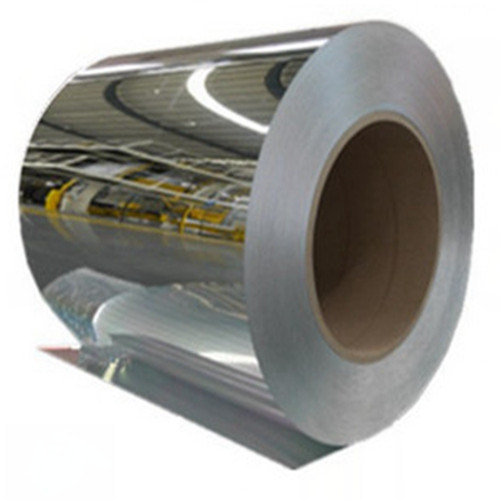
6061 anodized mirror aluminum sheet provides a sleek, reflective, and modern surface appearance. It is a popular choice for architectural decoration, furniture, home appliances, and visual display products.
The anodized layer can provide electrical insulation, making anodized aluminum useful in selected electronic and electrical applications where an insulating surface is required.
The porous structure of the anodized layer can retain lubricants, making it suitable for components where friction reduction and smoother operation are needed.
Anodized aluminum sheets are easier to handle than large coils, especially for companies that manufacture small parts, consumer goods, reflectors, and decorative panels.

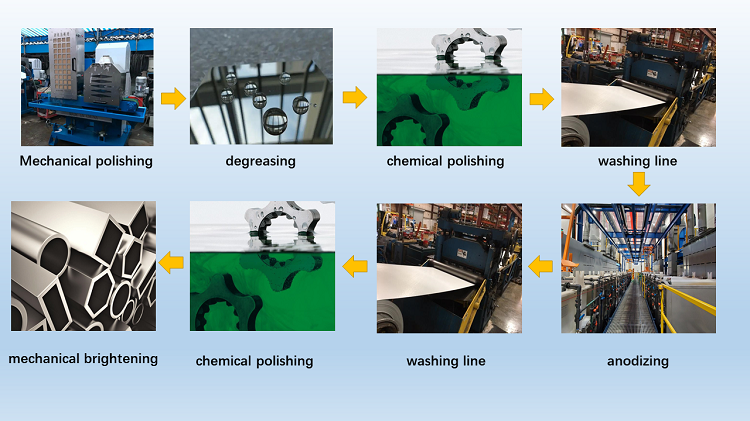
Anodizing enhances the surface performance of aluminum sheet through a controlled process. The process usually includes mechanical polishing, degreasing, washing, chemical polishing, anodizing, sealing, and brightening.

Process flow: mechanical polishing - degreasing - washing - chemical polishing - washing - anodizing - washing - sealing - mechanical brightening.
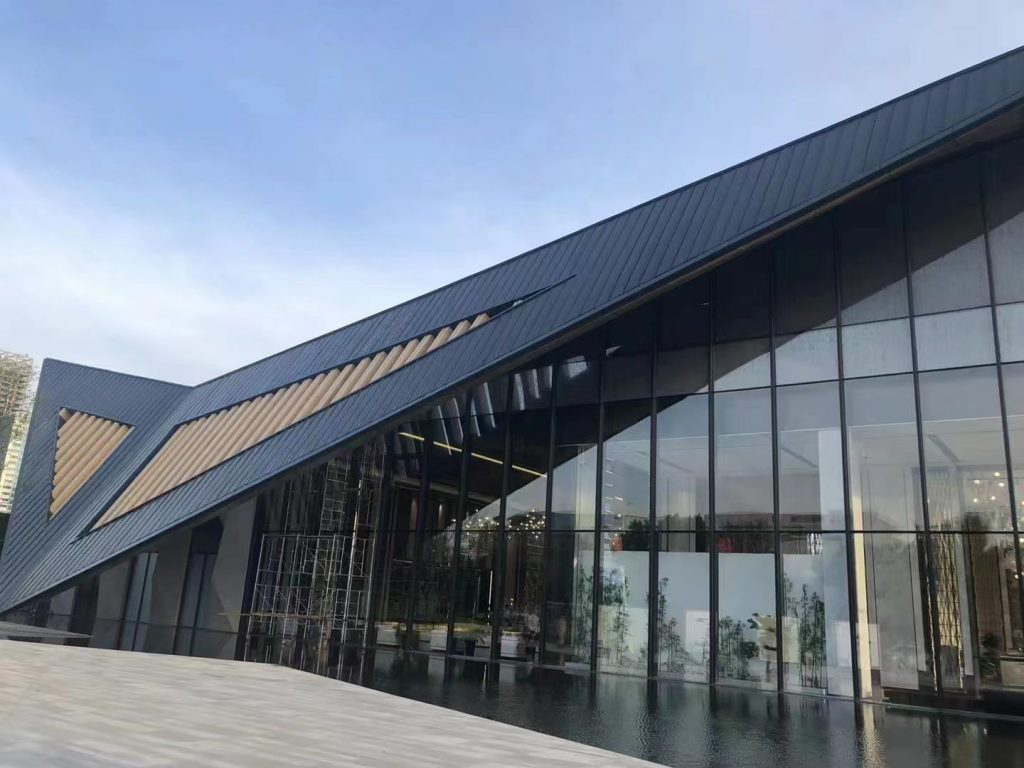
Building decoration: Curtain walls, ceilings, partitions, wall panels, and decorative architectural surfaces.
Automotive decoration: Automotive mirrors, door handles, decorative strips, and exterior or interior trim parts.
Home appliances: Mirrors and reflectors for televisions, refrigerators, air conditioners, microwave ovens, and other appliances.
Furniture: Tabletops, cabinet doors, furniture panels, and decorative parts.
Optical devices: Reflectors for LED lamps, headlights, lighting equipment, and other optical applications.

24-hour online service: Responsive support for product consultation and order communication.
On-time shipment: Competitive price, stable product quality, and timely shipment arrangement.
One-stop customization: Customized specifications, colors, surface finishes, and packaging according to project needs.
Customer value: Continuous product and service improvement to create long-term value for customers.
Anodizing creates an aluminum oxide layer that can protect the surface for many years. Depending on anodizing thickness, sealing quality, application environment, and maintenance, the surface can last approximately 10-20 years.
Aluminum does not rust like iron or steel, but it can corrode under certain conditions. Anodized aluminum has a thicker oxide layer, so it is more corrosion resistant than standard untreated aluminum.
Color change may occur due to surface aging, environmental exposure, cosmetic degradation of the anodic coating, or corrosion under the anodized layer in severe conditions.
With outdoor use, some fading over time may occur, especially for black anodized surfaces or organic dye coloring exposed to strong UV light. Proper coating quality and sealing help improve color durability.
Contact Dingang for 6061 anodized mirror aluminum sheet with custom thickness, width, color, mirror finish, anodized surface, packing, and bulk supply. We support architectural decoration, automotive trim, appliance reflectors, furniture panels, and optical device applications.
Products
Application
Quick links
Contact Us