Aluminum alloys offer a variety of benefits, making them a popular choice for building materials, especially in the building decoration industry. With an attractive appearance, excellent corrosion resistance, high reflectivity to light and heat, and good sound absorption properties, aluminum-based materials are an ideal option for a wide range of architectural and construction applications.
Through chemical and electrochemical processes, aluminum can be treated to achieve a diverse range of colors, making it highly versatile in design. As a result, aluminum sheet metal is used in various construction components such as roofs, walls, windows, doors, facades, ceilings, handrails, and furniture.
In this article, we will explore the various applications of aluminum coil and sheet in the building decoration industry, focusing on key areas like curtain walls, roofing, and ceilings, while discussing their advantages and various surface treatments.
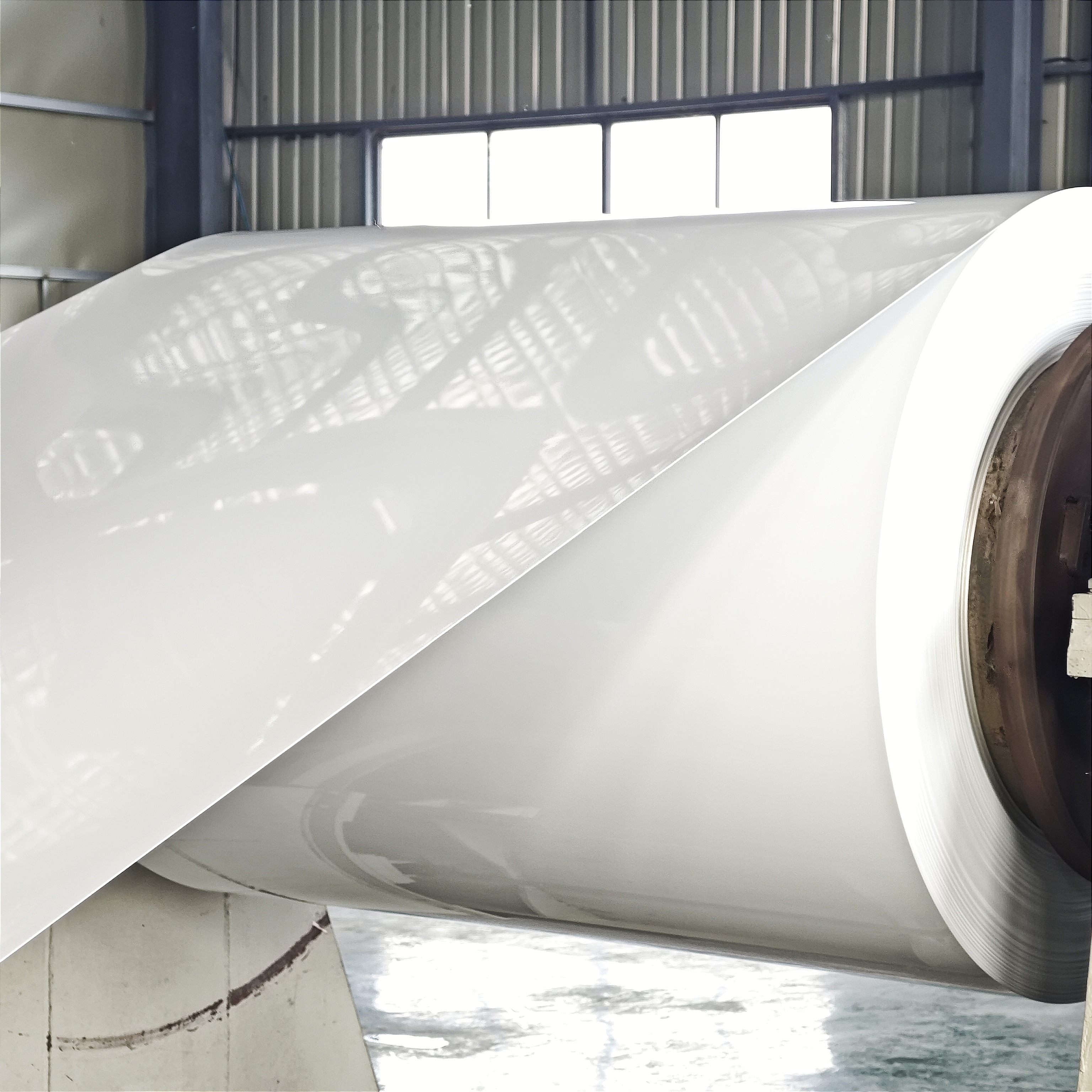
Aluminum Curtain Wall: A Key Facade Element in Modern Architecture
The aluminum curtain wall is an essential feature in modern architecture, providing not just structural integrity but also aesthetic appeal. A curtain wall is a non-load-bearing exterior covering of a building, primarily designed to protect against the elements. It serves as a decorative component, enhancing the building’s appearance, and is often seen in high-rise buildings, commercial complexes, and office towers.
The Growing Popularity of Aluminum Curtain Walls
With the rapid expansion of the commercial real estate sector and the increasing number of high-rise buildings, the curtain wall industry has grown exponentially. Among the various types of curtain walls, aluminum curtain walls have become a dominant choice. Their lightweight nature, corrosion resistance, and design flexibility make them ideal for urban commercial properties, event venues, and residential projects.
Key Benefits of Aluminum Curtain Walls
Lightweight Material:
The use of aluminum helps reduce the weight of the curtain wall, which in turn reduces the load on the building's structural framework. This offers both design flexibility and cost savings in construction.
Superior Durability:
Aluminum curtain walls are weather-resistant and can withstand environmental conditions like acid rain, salt fog, and UV radiation. This makes them particularly useful for coastal buildings or locations with harsh climates.
Ease of Handling and Installation:
Due to their malleability and lightweight nature, aluminum curtain walls are easy to shape, transport, and install. This translates to reduced transportation costs and faster installation, particularly in large-scale construction projects.
Aesthetic Flexibility:
The ability to choose from a wide range of colors and finishes gives architects and designers greater freedom to create visually striking facades that align with the building's overall aesthetic.
Cost-Effective Solution:
Aluminum curtain wall offers a high cost-performance ratio. It is affordable in terms of the initial investment, making it accessible to a wide range of building projects. Over its long service life, it also has low maintenance costs, making it an economically sensible option for building owners and developers alike.
Surface Treatment of Aluminum Curtain Walls
Aluminum curtain walls undergo several surface treatments to enhance their durability and aesthetics. These include:
Chromizing:
A pretreatment that improves adhesion and corrosion resistance.
Fluorocarbon Spraying:
A polyvinylidene fluoride (PVDF) resin coating is applied in multiple layers. This coating provides excellent weatherability, corrosion resistance, and UV protection, ensuring the material’s longevity.
Color-Coated Aluminum Roofing: Aesthetic and Functional Solution for Modern Roofs
Color-coated aluminum roofing combines functionality with aesthetic appeal. Its lightweight nature, resistance to corrosion, and easy maintenance make it a popular choice for a variety of building types. Whether in residential homes, industrial warehouses, or commercial buildings, color-coated aluminum roofing enhances the visual appeal while providing long-lasting durability.
The Production Process of Color-Coated Aluminum Roofing
The production of color-coated aluminum coils involves several steps, starting with thorough cleaning of the aluminum substrate. The coil then undergoes chromizing to prime the surface and enhance adhesion. The next step involves roller coating with various colored paints, followed by baking to cure the paint.
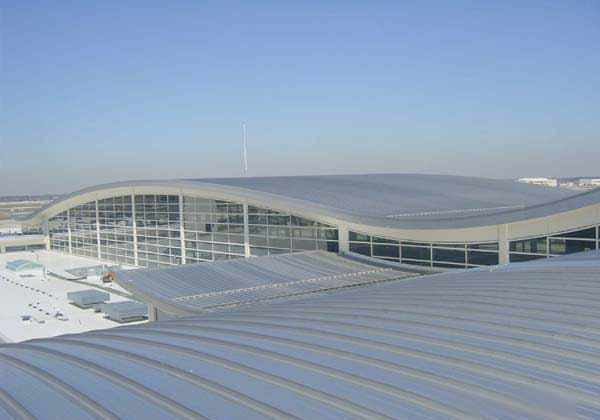
Color-Coated Aluminum Roofing: Aesthetic and Functional Solution for Modern Roofs
Color-coated aluminum roofing combines functionality with aesthetic appeal. Its lightweight nature, resistance to corrosion, and easy maintenance make it a popular choice for a variety of building types. Whether in residential homes, industrial warehouses, or commercial buildings, color-coated aluminum roofing enhances the visual appeal while providing long-lasting durability.
The Production Process of Color-Coated Aluminum Roofing
The production of color-coated aluminum coils involves several steps, starting with thorough cleaning of the aluminum substrate. The coil then undergoes chromizing to prime the surface and enhance adhesion. The next step involves roller coating with various colored paints, followed by baking to cure the paint.
Material Specifications for Aluminum Roofing
Alloy Varieties:
Commonly used alloys include 1100, 1050, 1060, 1070, 3003, and 5005, each offering specific mechanical and chemical properties suitable for different roofing applications. For instance:
Thickness Range:
The thickness of color-coated aluminum coils used in roofing typically ranges from 0.2mm to 6mm, with thinner sheets used for lightweight roofing and thicker sheets applied to structures requiring additional durability.
Coating Thickness:
The coating thickness generally ranges from 5µm to 25µm, with thicker coatings offering superior resistance to abrasion, UV radiation, and chemical attacks.
Performance-Based Classification
Color-coated aluminum roofs can be categorized based on their coating type and performance:
PE Coated:
More cost-effective, suitable for buildings with lower demands for color retention (up to 10 years).
PVDF Coated:
Provides superior durability, ideal for areas with high UV exposure, coastal regions, and commercial buildings (up to 20 years of color fastness).
Aesthetic Flexibility
The color options for aluminum roofing are virtually endless. Imitation stone, wood grain finishes, and custom-printed patterns allow architects to replicate traditional materials while benefiting from aluminum's lightweight and long-lasting properties.
Aluminum Ceilings: A Superior Decorative Option
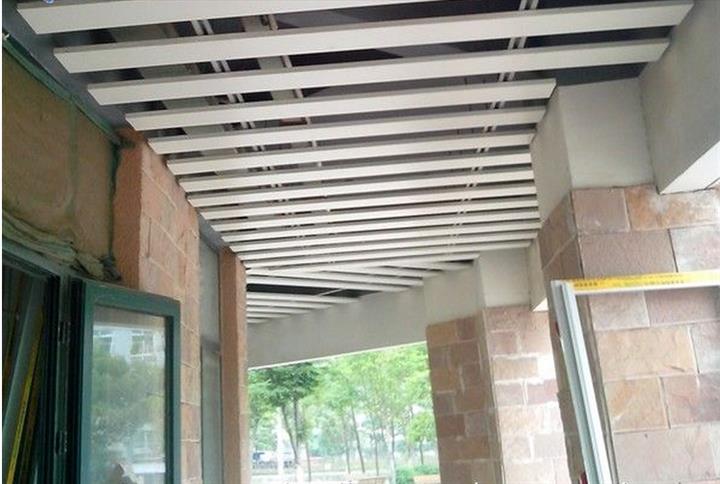
In building decoration, aluminum ceiling panels offer a functional and aesthetic solution. Known for their fire resistance, sound absorption, and lightweight nature, aluminum ceilings are increasingly used in public spaces such as shopping malls, airports, and hospitals.
Categories of Aluminum Ceiling Panels
5005 and 5052 Aluminum Ceilings:
These aluminum-magnesium alloys offer excellent oxidation resistance and strength, making them ideal for environments where corrosion resistance is critical.
3003 Aluminum Ceilings:
While offering better strength than the 5000 series, 3003 alloy is suitable for general applications. It provides adequate corrosion resistance, making it a common choice for interior ceiling panels.
3003 Grid Aluminum Ceilings:
Known for their flexibility in design, grid ceiling systems made from 3003 aluminum offer a modern look and high structural integrity. These systems are ideal for large public spaces, offering both aesthetic appeal and functionality.
Advantages of Aluminum in Building Decoration
1. Lightweight Nature
Aluminum’s low density reduces the structural load on buildings, simplifying design and construction. For large buildings, using aluminum ceiling panels and curtain walls leads to significant savings in foundation and support materials.
2. Corrosion Resistance
Aluminum’s natural oxide layer gives it outstanding corrosion resistance. Whether exposed to moisture, salt air, or other environmental stressors, aluminum panels and roofing maintain their integrity for many years, reducing the need for maintenance.
3. Design Flexibility
Aluminum materials can be manufactured in various shapes, sizes, and colors, offering endless design possibilities. Whether designing an intricate aluminum curtain wall or a color-coated aluminum roof, aluminum enables architects to create visually striking, customized structures.
4. Energy Efficiency
Aluminum’s high reflectivity reduces heat absorption, making it an energy-efficient choice for building facades and roofs. This helps maintain optimal indoor temperatures, reducing reliance on air conditioning and contributing to sustainability.
5. Cost-Effectiveness
Compared to other materials like steel or copper, aluminum is a more affordable option, both in terms of initial investment and long-term maintenance. Its recyclability further adds to its cost-effectiveness, supporting green building standards.
Conclusion: The Role of Aluminum Sheet and Coil in Modern Construction
Aluminum sheet and coil are indispensable materials in the building decoration industry. From lightweight curtain walls to color-coated roofing systems and decorative ceilings, aluminum’s combination of aesthetic appeal, functional performance, and environmental benefits make it the material of choice for modern construction projects.
The ability to customize finishes, coupled with superior durability, has made aluminum an essential part of contemporary architectural design. As demand for eco-friendly, cost-effective, and innovative building materials continues to grow, aluminum will remain at the forefront of building decoration applications, contributing to more sustainable and visually stunning structures.
With its wide range of applications in high-rise buildings, commercial spaces, residential projects, and industrial facilities, aluminum alloy remains an integral component of the building industry’s future.
Dingang - We have been in the line for many years and are well known as one the leading manufacturer and exporter on the Pre-painted Aluminum Coil / Sheet in China since 2002.
If you have needs on the aluminum coil/sheet product,please contact us for more discussing.
Changzhou Dingang Metal Material Co.,Ltd
www.cnchangsong.com
www.prepaintedaluminium.com
Email: robert@cnchangsong.com
Phone: 0086 159 6120 6328 (whatsapp & wechat)

 English
 العربية
 Français
 Русский
 Español
 Português
 Deutsch
 italiano
 日本語
日本語 한국어
한국어 Nederlands
 Tiếng Việt
 ไทย
ไทย Polski
 Türkçe
 ភាសាខ្មែរ
 Bahasa Melayu
 Filipino
 Bahasa Indonesia
 magyar
 Română
 Čeština
 Монгол
 हिन्दी
 فارسی
فارسی Slovenčina
 Slovenščina
 Norsk
Norsk Svenska
 Ελληνικά
 Suomi
Suomi Latine
 Dansk
Dansk Shqip
Shqip Hrvatski
 Afrikaans
 Gaeilge
 Eesti keel
 latviešu
 Azərbaycan dili
 Беларуская мова
 ქართული
 íslenska
 Kinyarwanda
 Lietuvių
 Lëtzebuergesch
 Македонски
 Malti
Malti Türkmençe
 ئۇيغۇرچە
 Cymraeg