What Is the Load-Bearing Capacity of Aluminum-Magnesium-Manganese Roof Panels?
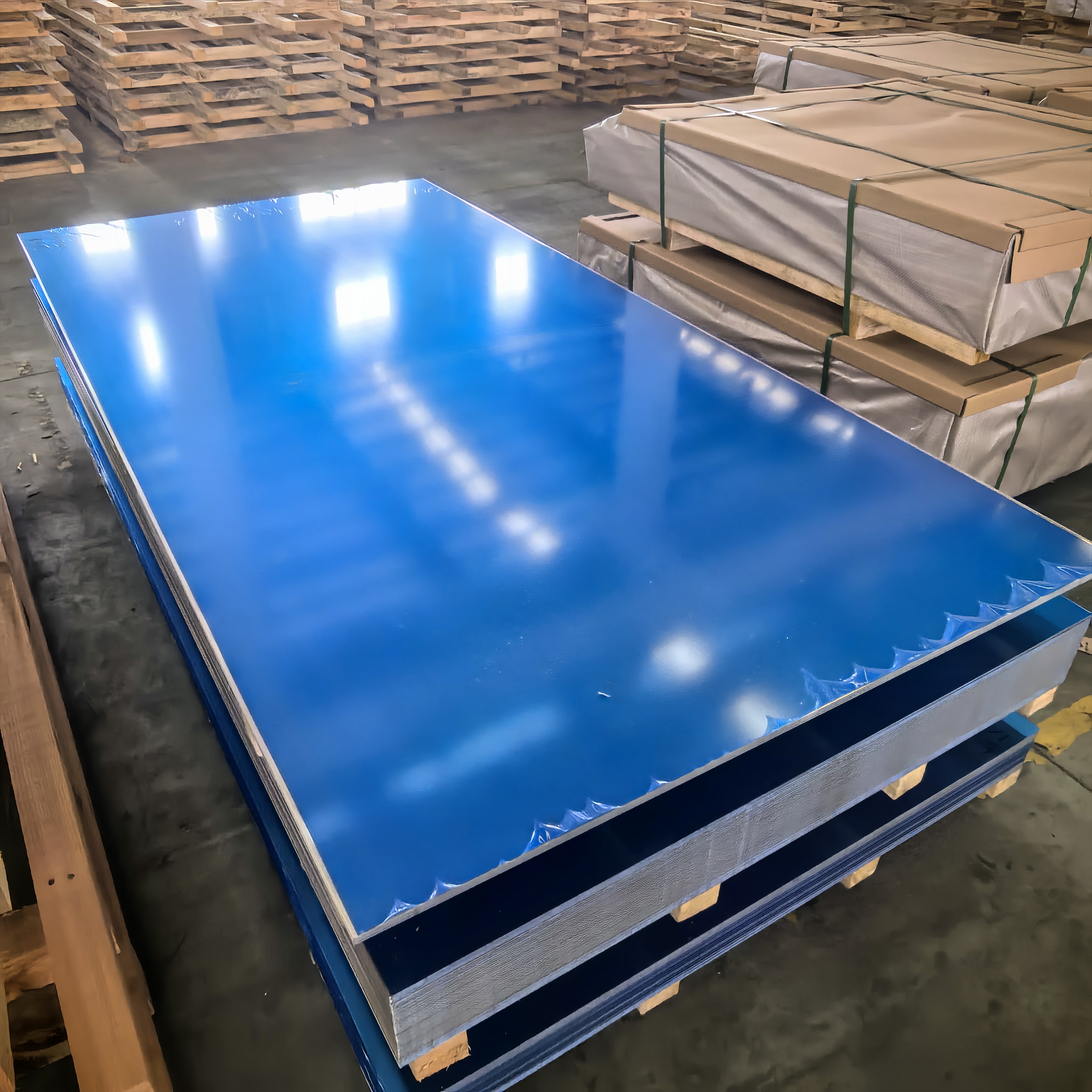
Aluminum-magnesium-manganese (Al-Mg-Mn) roof panels are widely used in modern architecture due to their lightweight strength, corrosion resistance, long service life, and excellent formability. These roofing systems are commonly manufactured from color-coated aluminium coils for roofing materials, making them ideal for large-span buildings such as airports, stadiums, factories, and commercial complexes.
One of the most common questions asked by architects and engineers is:
How much load can aluminum-magnesium-manganese roof panels support?
The answer is not a single fixed number. The load-bearing capacity of these roofing panels depends on several design and structural factors including panel thickness, profile shape, support spacing, and installation method.
This guide explains the key factors affecting structural performance and how to estimate their load capacity.
Key Factors Affecting the Load-Bearing Capacity
Sectional properties of the plate
The cross-sectional profile of the roof panel is one of the most important factors influencing structural strength.
Well-designed profiles can:
Increase bending resistance
Improve panel stiffness
Distribute loads evenly across the roof system
Reduce deformation under wind or snow loads
Standing seam and ribbed panel designs typically provide better structural performance than flat sheets.
Common profiles used with pre-painted aluminium roofing coils include:
These profiles enhance the mechanical performance of architectural aluminium roofing systems.
Strength and thickness of the material
Al-Mg-Mn alloys, commonly based on 3003, 3004, or 3005 aluminium alloys, offer an excellent balance of strength, corrosion resistance, and flexibility.
The thickness of the aluminium panel directly affects load capacity.
Typical roofing thickness:
| Thickness | Typical Application |
| 0.7 – 0.9 mm | Residential / light structures |
| 0.9 – 1.2 mm | Commercial buildings |
| 1.2 – 1.5 mm | Large-span roofs |
As thickness increases:
High-quality PVDF color-coated aluminium coils for roofing maintain both structural performance and weather resistance.
Force transmission mode
Roof systems do not work as isolated panels. Their performance depends on how loads are transferred through the structure.
Loads are distributed through:
Roof panels
Clips and fasteners
Purlins
Main structural beams
A well-designed system allows loads to be evenly transmitted, reducing stress concentration and improving safety.
This is especially important in standing seam aluminium roofing systems, where concealed clips allow thermal expansion while maintaining structural stability.
Spacing of purlins (secondary purlins)
Purlin spacing significantly affects load performance.
If spacing is too wide:
Panels may deflect excessively
Structural capacity decreases
Risk of deformation increases
If spacing is too narrow:
Typical purlin spacing ranges between:
1.0 m – 1.8 m
depending on:
panel thickness
panel profile
design loads
Proper spacing ensures optimal performance for color-coated aluminium roofing sheets.
Installation method
Installation quality directly affects the structural performance of roofing panels.
The most common method is:
Standing Seam Locking System
Advantages include:
High wind resistance
Better waterproof performance
Improved structural integrity
Allowance for thermal expansion
This method is widely used in modern aluminium alloy roofing systems and large architectural projects.
Estimation of load-bearing capacity
Because multiple factors influence performance, load capacity must normally be calculated by structural engineers.
However, industry experience provides general reference ranges.
Approximate examples:
| Panel Thickness | Estimated Load Capacity |
| 0.9 mm | Light roof loads |
| 1.0 – 1.2 mm | Moderate structural loads |
| 1.3 – 1.5 mm | Heavy-duty roofing systems |
*Actual values depend on span, profile, and support system.
Engineering design must follow structural standards and project requirements.
Environmental Load Considerations
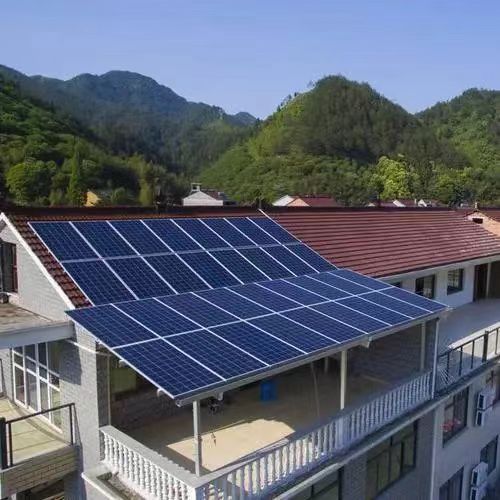
Roof systems must be designed to withstand environmental forces such as:
Wind Load
High-rise and coastal buildings require stronger fastening systems and thicker panels.
Snow Load
Cold regions require additional structural reinforcement.
Thermal Expansion
Aluminium expands significantly with temperature changes, which is why standing seam aluminium roofing systems are widely used.
Corrosion Resistance
Using PVDF coated aluminium roofing coils ensures long-term durability in coastal or industrial environments.
Advantages of Aluminum-Magnesium-Manganese Roofing Systems
Using color-coated aluminium coils for roofing materials offers several benefits:
Lightweight structure reduces building load
Excellent corrosion resistance
Long lifespan (30–50 years)
Superior formability for complex roof shapes
Low maintenance requirements
Sustainable and recyclable material
These advantages make aluminium alloy roofing panels popular in green building design and modern architecture.
Maintenance and Inspection
Regular inspection is essential to maintain roof safety and performance.
Recommended practices include:
Checking clips and fasteners
Inspecting panel joints
Cleaning debris and drainage systems
Monitoring coating condition
Repairing scratches or damage
Proper maintenance helps preserve the performance of prepainted aluminium roofing panels.
Conclusion
The load-bearing capacity of aluminum-magnesium-manganese roof panels is determined by a combination of factors including:
Rather than relying on a single value, engineers must evaluate these factors during structural design.
When properly designed and installed, color-coated aluminium roofing systems provide a durable, lightweight, and reliable solution for modern buildings.

 English
 العربية
 Français
 Русский
 Español
 Português
 Deutsch
 italiano
 日本語
日本語 한국어
한국어 Nederlands
 Tiếng Việt
 ไทย
ไทย Polski
 Türkçe
 ភាសាខ្មែរ
 Bahasa Melayu
 Filipino
 Bahasa Indonesia
 magyar
 Română
 Čeština
 Монгол
 हिन्दी
 فارسی
فارسی Slovenčina
 Slovenščina
 Norsk
Norsk Svenska
 Ελληνικά
 Suomi
Suomi Latine
 Dansk
Dansk Shqip
Shqip Hrvatski
 Afrikaans
 Gaeilge
 Eesti keel
 latviešu
 Azərbaycan dili
 Беларуская мова
 ქართული
 íslenska
 Kinyarwanda
 Lietuvių
 Lëtzebuergesch
 Македонски
 Malti
Malti Türkmençe
 ئۇيغۇرچە
 Cymraeg