Why Should A Film Be Applied To The Surface of Aluminum Panels?
You are here: Home » Blog » Why Should A Film Be Applied To The Surface of Aluminum Panels?
Why Should A Film Be Applied To The Surface of Aluminum Panels?
Views: 0 Author: Site Editor Publish Time: 2025-12-02 Origin: Site
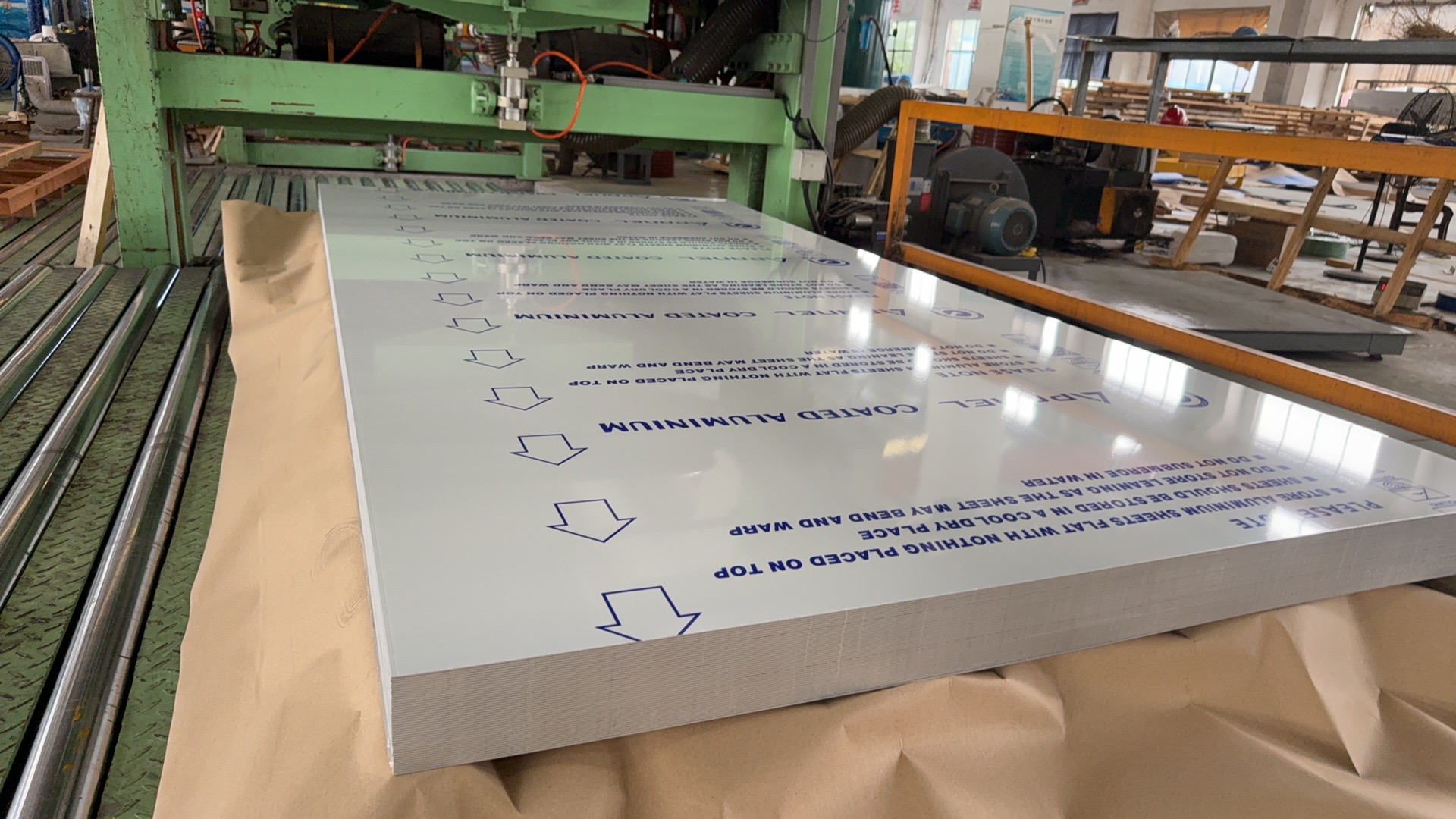
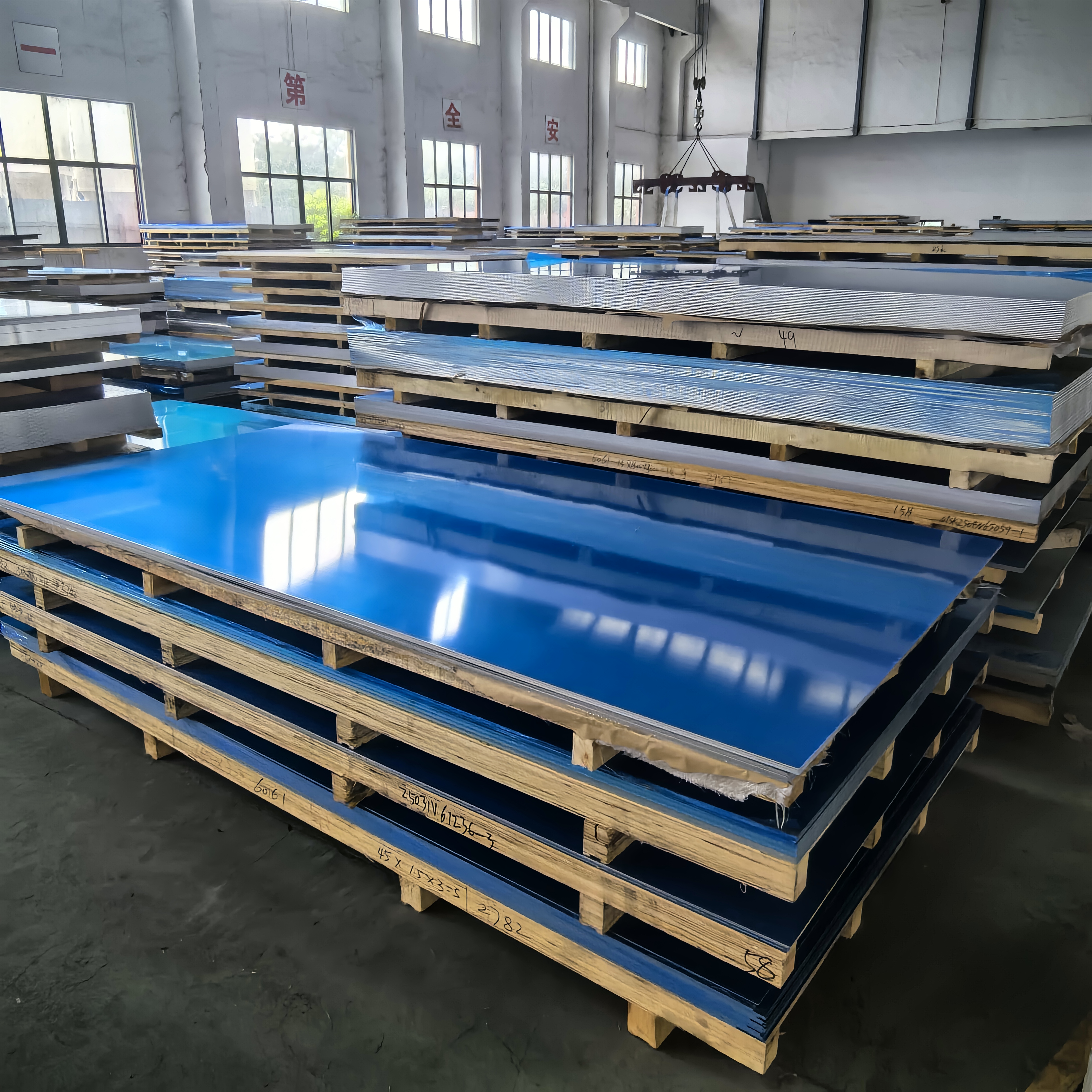
Aluminum panels have become a staple in industries ranging from construction and automotive manufacturing to electronics and household appliances, thanks to their durability, light weight, and aesthetic versatility. However, their surface—even with natural corrosion resistance—remains vulnerable to damage during production, transportation, installation, and long-term use. Applying a protective film to aluminum panel surfaces has emerged as a simple yet highly effective solution to address these challenges. Below is a detailed breakdown of the key reasons why this practice is widely adopted across industries.
1.Protect Against Scratches, Abrasions, and Contamination During Handling
One of the primary purposes of aluminum panel film is to shield the surface from physical damage and dirt during the entire lifecycle before final use.
Prevent Scratches and Abrasions
During manufacturing (e.g., cutting, bending, or stacking panels) and transportation (e.g., loading/unloading, friction between panels), unprotected aluminum surfaces are easily scratched by tools, packaging materials, or even dust particles. Protective films—typically made of polyethylene (PE) or polyester (PET) with a soft adhesive layer—act as a physical barrier, absorbing impact and preventing direct contact between the aluminum and abrasive elements. This is especially critical for high-gloss or decorative aluminum panels, where even minor scratches can ruin their visual appeal.
Block Dust, Grease, and Chemicals
Construction sites, workshops, or shipping containers are often filled with dust, oil, grease, or mild chemicals (e.g., cleaning agents). These substances can adhere to uncoated aluminum surfaces, leaving stubborn stains or even reacting with the metal to cause discoloration. The film’s impermeable layer stops such contaminants from reaching the aluminum, ensuring the panel remains clean and ready for immediate use or further processing (e.g., painting, anodizing) without extra cleaning steps.
2. Preserve Aesthetic Quality and Surface Finish
Aluminum panels are frequently chosen for their sleek, uniform appearance—whether for architectural facades, automotive trim, or electronic device casings. Protective film plays a vital role in maintaining this aesthetic integrity.
Maintain Consistent Color and Gloss
Many aluminum panels undergo surface treatments like anodizing, powder coating, or painting to achieve specific colors or finishes (matte, metallic, or glossy). Exposure to sunlight, moisture, or air during storage or installation can cause premature fading, oxidation, or dulling of these treatments. UV-resistant protective films (equipped with anti-UV additives) block harmful ultraviolet rays, while moisture-proof films prevent oxidation, ensuring the panel’s color and gloss remain vibrant until the film is removed at the final stage of installation.
Avoid Fingerprints and Surface Marks
Aluminum is prone to showing fingerprints due to its smooth surface and the oils present on human skin. During installation, workers often handle panels directly, leaving unsightly marks that are hard to remove without damaging the finish. Protective films eliminate this issue by creating a barrier between hands and the aluminum surface. Once installation is complete, the film is peeled off, revealing a clean, fingerprint-free panel.
3. Reduce Maintenance Costs and Extend Service Life
Applying a protective film to aluminum panels is a cost-effective investment that lowers long-term maintenance expenses and prolongs the panel’s lifespan.
Minimize Post-Installation Repairs
Without a film, damaged (scratched or stained) aluminum panels may require sanding, repolishing, or even replacement—all of which add time and cost to projects. By preventing initial damage, the film reduces the need for such repairs, saving both labor and material costs. For example, in architectural projects, replacing a single scratched facade panel can cost hundreds of dollars; a protective film (which costs just a fraction of that) avoids this expense entirely.
Enhance Corrosion Resistance
While aluminum naturally forms a thin oxide layer that resists corrosion, this layer can be compromised by scratches, saltwater (in coastal areas), or industrial pollutants. Some protective films are designed with anti-corrosion properties (e.g., incorporating corrosion-inhibiting adhesives) that add an extra layer of defense. This is particularly valuable for outdoor aluminum applications, such as building facades or marine equipment, where exposure to harsh environments accelerates wear.
4. Facilitate Easy Installation and Processing
Protective films also simplify the handling and installation of aluminum panels, improving efficiency for workers.
Enable Safe Stacking and Transport
When aluminum panels are stacked for transport or storage, unprotected surfaces can stick together (due to friction or residual moisture) or scratch each other. Protective films create a non-stick, smooth interface between panels, making it easier to separate them without damage. This speeds up unloading and installation processes, reducing project timelines.
Protect During Secondary Processing
Many aluminum panels require secondary processing after initial manufacturing, such as drilling holes, applying decals, or attaching hardware. The film safeguards the surface during these steps, preventing scratches from tools or damage from adhesives used in processing. Once processing is complete, the film can be removed without leaving residue (thanks to low-tack, residue-free adhesives), ensuring the final product meets quality standards.
5. Cater to Specialized Functional Needs
Beyond basic protection, some aluminum panel films are engineered to deliver additional functional benefits, expanding the panel’s usability.
Anti-Glare and Privacy
In applications like electronic device screens (e.g., aluminum frames for tablets) or architectural windows (aluminum composite panels), anti-glare films reduce light reflection, improving visibility and user comfort. Privacy films, on the other hand, can obscure the view through transparent or semi-transparent aluminum panels (e.g., in office partitions) while maintaining light transmission.
Heat Insulation
For automotive or building applications, heat-insulating films reflect infrared radiation, helping to keep interiors cool in hot weather. This not only improves comfort but also reduces energy consumption (e.g., lowering air conditioning use in cars or buildings with aluminum-clad exteriors).
Applying a protective film to aluminum panels is far more than a “temporary measure”—it is a strategic step to preserve quality, reduce costs, and enhance performance. Whether shielding against scratches during transport, maintaining aesthetic appeal in architectural projects, or adding specialized functions like anti-glare, the film ensures aluminum panels retain their value and functionality from production to long-term use. As aluminum continues to be a preferred material across industries, the role of protective films in maximizing its potential remains indispensable.

 English
 العربية
 Français
 Русский
 Español
 Português
 Deutsch
 italiano
 日本語
日本語 한국어
한국어 Nederlands
 Tiếng Việt
 ไทย
ไทย Polski
 Türkçe
 ភាសាខ្មែរ
 Bahasa Melayu
 Filipino
 Bahasa Indonesia
 magyar
 Română
 Čeština
 Монгол
 हिन्दी
 فارسی
فارسی Slovenčina
 Slovenščina
 Norsk
Norsk Svenska
 Ελληνικά
 Suomi
Suomi Latine
 Dansk
Dansk Shqip
Shqip Hrvatski
 Afrikaans
 Gaeilge
 Eesti keel
 latviešu
 Azərbaycan dili
 Беларуская мова
 ქართული
 íslenska
 Kinyarwanda
 Lietuvių
 Lëtzebuergesch
 Македонски
 Malti
Malti Türkmençe
 ئۇيغۇرچە
 Cymraeg