When discussing metal corrosion, many people assume iron rusts faster than aluminum—after all, iron objects like old nails or garden tools quickly develop flaky, reddish-brown rust, while aluminum products (such as soda cans or window frames) seem to stay shiny for years. However, from a chemical perspective, aluminum actually rusts (corrodes) more easily than iron. The confusion arises from the unique nature of aluminum’s corrosion product, which gives it superior long-term protection compared to iron. To understand this paradox, we need to break down the science of metal oxidation, compare aluminum and iron’s reactions with oxygen, and explore why their rusting outcomes differ so dramatically.
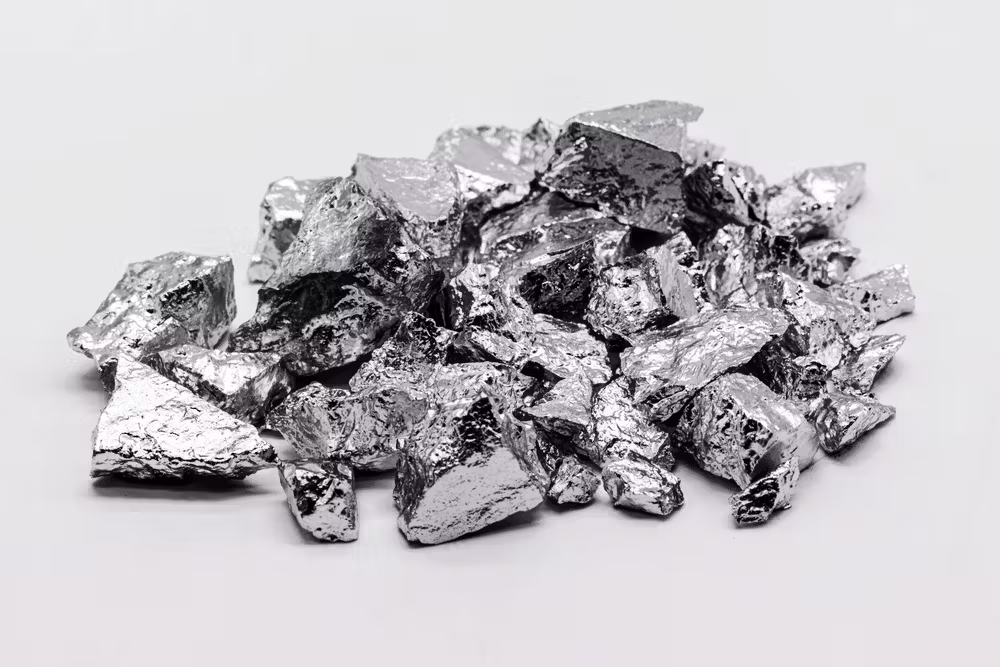
1.The Science of "Rusting": Oxidation as a Natural Process
First, it’s important to clarify: "rust" is commonly used to describe the corrosion of iron, but in a broader chemical sense, all metals corrode when exposed to oxygen (a process called oxidation). For any metal, oxidation occurs when its atoms lose electrons to oxygen in the air or water, forming metal oxides—the "rust" equivalent for that material. The key difference between aluminum and iron lies in how quickly this oxidation happens and the properties of the oxide layer formed.
The speed of oxidation depends on a metal’s "reactivity"—a measure of how easily it donates electrons to other substances (like oxygen). On the periodic table, metals are ranked by reactivity: potassium and sodium are highly reactive (they oxidize instantly in water), while gold and platinum are unreactive (they rarely corrode). Aluminum and iron fall in the middle, but aluminum is significantly more reactive than iron. This higher reactivity means aluminum atoms have a stronger tendency to bond with oxygen, leading to faster initial oxidation.
2. Aluminum Oxidizes Faster: Reactivity Beats Iron
Aluminum’s higher reactivity is the core reason it rusts more easily than iron. Here’s why:
Electrochemical Potential
In chemistry, the "standard electrode potential" measures a metal’s tendency to oxidize. Aluminum has a much lower (more negative) electrode potential (-1.66 V) than iron (-0.44 V). A lower potential means aluminum releases electrons more readily, allowing oxygen to react with it faster. When both metals are exposed to the same environment (e.g., air, moisture), aluminum will start forming oxides in seconds, while iron takes minutes or hours to show visible corrosion.
Surface Exposure
Aluminum is often used in thin sheets (like the 0.3mm coil for cabinet veneers) or lightweight structures, which gives it a larger surface area relative to its volume. More surface area means more atoms are exposed to oxygen, accelerating oxidation. Even thick aluminum objects oxidize quickly at the surface—you can test this by scratching a new aluminum can: the fresh, shiny metal beneath will dull within minutes as it reacts with air.
Iron, by contrast, reacts more slowly with oxygen. A new iron nail may stay bright for hours in dry air, and even in moist conditions, visible rust (iron oxide, Fe₂O₃·nH₂O) takes hours or days to form. This slower initial reaction is why iron seems less prone to rusting at first—but its oxide layer offers no long-term protection, leading to worse damage over time.
3. The Protective "Invisible Shield": Why Aluminum’s Rust Doesn’t Destroy It
If aluminum oxidizes faster, why doesn’t it fall apart like rusted iron? The answer lies in the structure and properties of aluminum oxide (Al₂O₃), the "rust" that forms on aluminum. Unlike iron oxide, which is porous, flaky, and destructive, aluminum oxide creates a thin, dense, and impermeable layer that acts as a barrier against further corrosion.
How Aluminum’s Oxide Layer Works:
Thinness and Density
When aluminum oxidizes, it forms an aluminum oxide layer that is only 2-3 nanometers thick (about 1/100,000 the thickness of a human hair). This layer is so thin it’s invisible to the naked eye, keeping the aluminum looking shiny. More importantly, it is tightly packed (amorphous or crystalline, depending on conditions) and has no gaps—oxygen and water cannot penetrate it to reach the fresh aluminum beneath.
Self-Healing Ability
If the oxide layer is scratched or damaged (e.g., from a bump or scratch), the fresh aluminum exposed at the scratch site immediately reacts with oxygen to form new aluminum oxide. Within seconds, the scratch is sealed with a new protective layer, preventing further corrosion.
Iron oxide, by contrast, is a disaster for the metal
Porosity and Flakiness
Rust (iron oxide) is a loose, porous material that does not bond tightly to the iron surface. Water and oxygen seep through the gaps in the rust layer, continuing to react with the iron below. As more rust forms, it expands (taking up 6-7 times more volume than the original iron), causing the rust to flake off and expose fresh metal. This creates a cycle of continuous corrosion—rust begets more rust, until the iron object crumbles.
No Self-Protection
Unlike aluminum oxide, iron oxide cannot repair itself. Once a scratch or chip occurs, the underlying iron rusts even faster, as moisture and oxygen have direct access to unprotected metal.
4. Real-World Proof: Aluminum’s Durability in Everyday Use
The contrast between aluminum and iron’s corrosion behavior is visible in everyday life:
Aluminum Products
A 10-year-old aluminum ladder, a vintage aluminum outdoor chair, or an aluminum cabinet door veneer (like the AA1070 H14 0.3mm coil) may show minor dulling but no signs of flaking or structural damage. The oxide layer has protected the metal from deep corrosion, even in outdoor or humid environments (e.g., kitchens, bathrooms).
Iron Products
A 10-year-old iron garden bench, an uncoated iron pipe, or a rusty iron fence will likely be covered in thick, flaky rust, with pitted metal beneath. Over time, the iron may weaken or break, as the corrosion has eaten away at its structure.
To protect iron from rust, manufacturers must add coatings (e.g., paint, galvanization with zinc) or alloy it with other metals (e.g., stainless steel, which contains chromium to form a protective oxide layer). Aluminum, by contrast, needs no extra coating for most applications—its natural oxide layer is sufficient to keep it durable.
Conclusion: Aluminum Rusts Faster, But Lasts Longer
The idea that "aluminum rusts more easily than iron" is not a myth—it’s a chemical fact, rooted in aluminum’s higher reactivity and faster oxidation. However, aluminum’s unique oxide layer turns this "weakness" into a strength: while it rusts quickly at the surface, the dense, self-healing oxide shield prevents further corrosion, making aluminum far more durable than iron in the long run.
This property is why aluminum is the material of choice for applications where corrosion resistance matters—from cabinet door veneers and kitchen utensils to aircraft parts and outdoor structures. It’s a perfect example of how understanding the science of materials can help us appreciate why certain metals perform better than others, even when their initial behavior seems counterintuitive.

 English
 العربية
 Français
 Русский
 Español
 Português
 Deutsch
 italiano
 日本語
日本語 한국어
한국어 Nederlands
 Tiếng Việt
 ไทย
ไทย Polski
 Türkçe
 ភាសាខ្មែរ
 Bahasa Melayu
 Filipino
 Bahasa Indonesia
 magyar
 Română
 Čeština
 Монгол
 हिन्दी
 فارسی
فارسی Slovenčina
 Slovenščina
 Norsk
Norsk Svenska
 Ελληνικά
 Suomi
Suomi Latine
 Dansk
Dansk Shqip
Shqip Hrvatski
 Afrikaans
 Gaeilge
 Eesti keel
 latviešu
 Azərbaycan dili
 Беларуская мова
 ქართული
 íslenska
 Kinyarwanda
 Lietuvių
 Lëtzebuergesch
 Македонски
 Malti
Malti Türkmençe
 ئۇيغۇرچە
 Cymraeg