In modern architecture, materials are expected to do more than simply provide structural support. Today’s buildings require materials that combine aesthetic flexibility, durability, sustainability, and cost efficiency. Among the many materials used in contemporary construction, color-coated aluminum coils have emerged as one of the most versatile and widely adopted solutions.
Color-coated aluminum coils—also known as pre-painted aluminum coils, coated aluminum sheets, or architectural aluminum coils—are extensively used in building facades, roofing systems, curtain walls, ceilings, and interior decoration. With their lightweight nature, corrosion resistance, and wide range of customizable colors and finishes, they have become a preferred material for architects, contractors, and developers worldwide.
This article explores the characteristics, manufacturing process, architectural applications, and future trends of color-coated aluminum coils, helping industry professionals understand why this material is becoming a cornerstone of modern building design.
What Are Color-Coated Aluminum Coils?
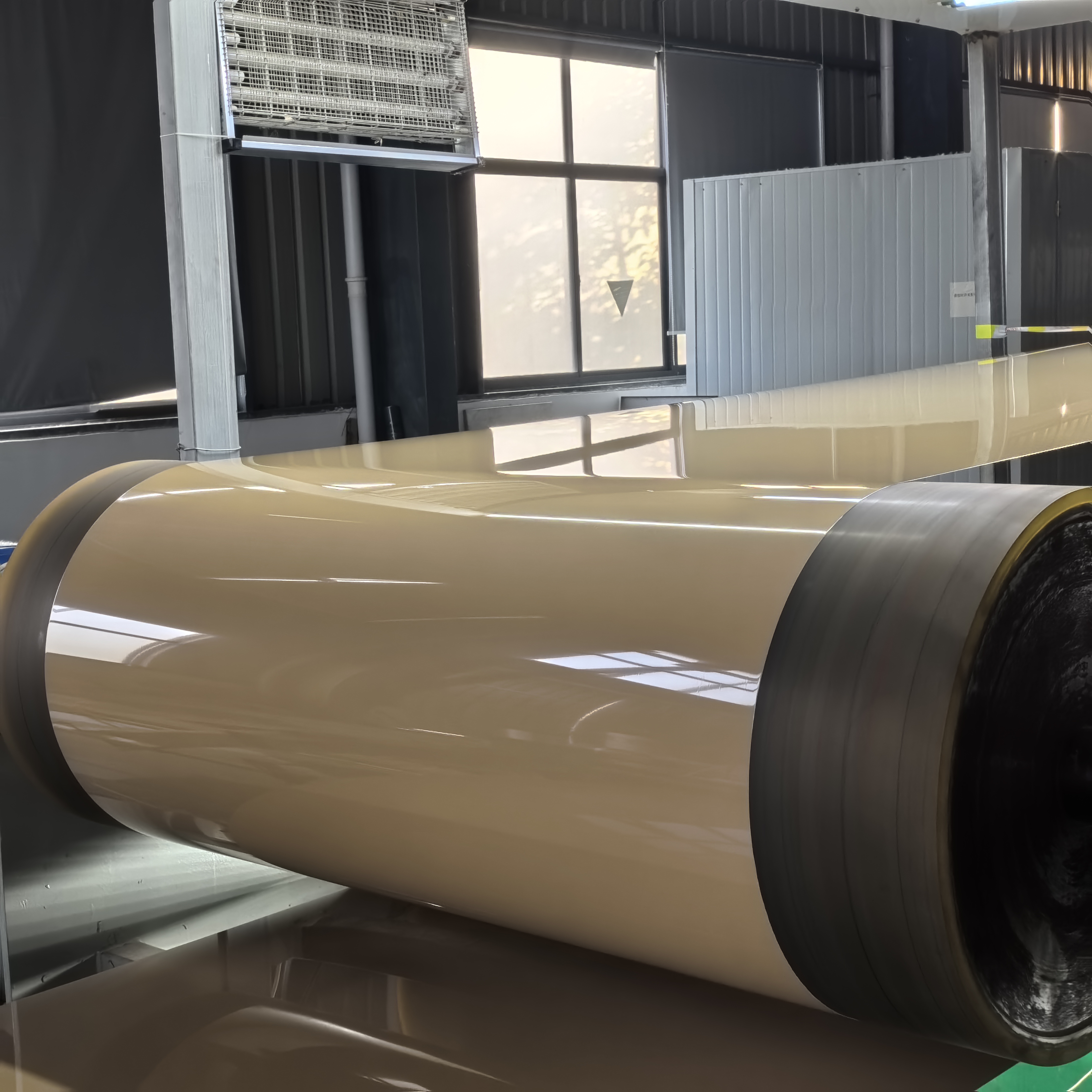
Color-coated aluminum coils are decorative and protective aluminum materials produced by applying specialized coatings to aluminum sheets or coils. The process involves surface treatment, coating application, and thermal curing, resulting in a durable and visually appealing finish.
Unlike traditional metal materials that require painting after installation, pre-painted aluminum coils are manufactured with coatings already applied, ensuring consistent quality, color uniformity, and long-term performance.
These materials combine the natural advantages of aluminum—such as lightweight strength, corrosion resistance, and recyclability—with advanced coating technologies that provide additional protection and decorative appeal.
Key Features
Color-coated aluminum coils offer several important advantages for building applications:
Lightweight yet strong
Excellent corrosion resistance
Outstanding weather resistance
Rich color options and surface textures
Easy fabrication and installation
Long service life
Low maintenance requirements
Because of these properties, they are widely used in commercial buildings, airports, stadiums, residential complexes, and industrial facilities.
Core Characteristics of Color-Coated Aluminum Coils
1. Lightweight but Structurally Reliable
One of the biggest advantages of aluminum building materials is their low density combined with high strength. Compared with steel, aluminum significantly reduces structural load, making transportation and installation easier.
This lightweight characteristic is particularly valuable in large-scale construction projects such as:
Reducing structural weight can also lower foundation costs and improve seismic performance, which is an important consideration in modern architecture.
2. Exceptional Corrosion Resistance
Aluminum naturally forms a thin oxide layer that protects it from corrosion. When combined with advanced coating systems, color-coated aluminum coils achieve even greater durability in harsh environments.
This makes them suitable for:
High-quality coatings help protect against:
UV radiation
moisture penetration
acid rain
pollution
As a result, buildings maintain their appearance and structural integrity for many years.
3. Rich Color Options and Decorative Effects
A major reason architects favor color-coated aluminum is its design flexibility.
Manufacturers can produce coils in virtually any color using international standards such as:
In addition to solid colors, modern coating technologies also allow special finishes such as:
metallic textures
stone patterns
wood grain effects
matte finishes
high-gloss surfaces
brushed aluminum look
These options allow architects to create unique building identities while maintaining material durability.
4. Excellent Processability
Color-coated aluminum coils are highly adaptable during fabrication.
They can be easily:
cut
bent
stamped
roll-formed
perforated
folded
This versatility allows manufacturers to produce various building components such as:
Even complex shapes can be achieved without damaging the coating.
Types of Coatings Used in Architectural Aluminum Coils
The coating system plays a critical role in determining the durability and performance of color-coated aluminum.
Polyester (PE) Coating
Polyester coating is widely used for indoor decoration and standard building applications.
Key advantages include:
good flexibility
attractive appearance
cost efficiency
wide color selection
However, PE coatings are generally recommended for environments where long-term weather exposure is moderate.
PVDF (Fluorocarbon) Coating
PVDF coating is considered the premium choice for exterior architectural aluminum.
It offers superior:
UV resistance
color retention
chemical resistance
weather durability
PVDF-coated aluminum panels can maintain their appearance for 20 years or more, even in extreme climates.
Because of this reliability, PVDF-coated aluminum coils are widely used in:
landmark buildings
skyscrapers
commercial centers
airports
Manufacturing Process of Color-Coated Aluminum Coils
The production of high-quality coated aluminum requires a carefully controlled manufacturing process.
1. Raw Material Selection
The process begins with high-quality aluminum coils, typically produced from alloys such as:
3003 aluminum alloy
3004 aluminum alloy
3105 aluminum alloy
5005 aluminum alloy
These alloys offer a good balance of:
corrosion resistance
formability
strength
Raw materials are inspected to ensure they are free from defects, oil contamination, and surface irregularities.
2. Surface Pretreatment
Before coating, the aluminum surface must undergo a series of treatments to ensure proper adhesion.
Typical steps include:
This stage removes contaminants and forms a bonding layer that improves coating performance.
Proper pretreatment is essential for preventing:
3. Coating Application
After pretreatment, the aluminum coil enters the coating line.
A roller coating system is commonly used to apply layers such as:
Key parameters are carefully controlled:
coating thickness
paint viscosity
curing temperature
coating uniformity
Automated coating lines ensure consistent quality across large production volumes.
4. Baking and Curing
Once the coatings are applied, the aluminum passes through a high-temperature oven where the paint cures and bonds permanently with the metal surface.
This stage determines:
hardness of the coating
adhesion strength
durability
color stability
Proper curing is critical to ensuring long-term performance in outdoor environments.
5. Cooling, Inspection, and Packaging
After curing, the coils are cooled and undergo strict quality inspections.
Tests typically include:
coating thickness measurement
adhesion testing
color consistency verification
impact resistance testing
corrosion resistance testing
Qualified coils are then:
Architectural Applications of Color-Coated Aluminum Coils
Color-coated aluminum coils are used in a wide variety of building applications.
Exterior Wall Cladding
One of the most common uses is architectural facade systems.
Benefits include:
modern appearance
weather durability
lightweight installation
low maintenance
These panels are commonly used in:
commercial buildings
office towers
shopping malls
hotels
Roofing Systems
Aluminum roofing panels made from coated coils provide excellent protection against environmental conditions.
Advantages include:
They are often used in:
factories
warehouses
stadiums
transportation terminals
Curtain Wall Systems
Modern curtain wall systems rely heavily on coated aluminum materials.
These systems provide:
architectural aesthetics
structural efficiency
energy-saving insulation
design flexibility
Large-scale projects such as airports and convention centers frequently use aluminum curtain walls.
Interior Decoration
Color-coated aluminum is also popular for interior design applications.
Examples include:
The material enhances interior spaces while remaining durable and easy to maintain.
Sustainability Advantages of Aluminum Building Materials
Sustainability has become a major factor in material selection.
Aluminum offers several environmental benefits:
1. 100% Recyclable
Aluminum can be recycled indefinitely without losing quality, making it one of the most sustainable construction materials.
2. Energy Efficiency
Modern production technologies reduce energy consumption during manufacturing.
3. Long Service Life
Durable coatings minimize replacement needs, reducing material waste over time.
4. Lightweight Transportation
Lower weight reduces transportation energy and emissions.
Because of these advantages, aluminum building materials contribute to green building certifications such as LEED.
Market Trends and Industry Development
The demand for color-coated aluminum coils continues to grow globally.
Several factors are driving this trend:
Urbanization
Rapid urban development increases the need for durable and attractive building materials.
Architectural Innovation
Modern architecture favors lightweight materials that support creative designs.
Green Building Standards
Developers are increasingly choosing recyclable and energy-efficient materials.
Smart Manufacturing
Advances in automation and digital production systems are improving product quality and reducing costs.
Future developments may include:
These innovations will further expand the use of coated aluminum in architecture.
Why Builders and Architects Prefer Color-Coated Aluminum Coils
There are several reasons why coated aluminum has become a preferred material in construction.
Design Flexibility
Supports modern architectural aesthetics.
Durability
Maintains appearance even in harsh climates.
Cost Efficiency
Lower maintenance and long service life.
Easy Installation
Lightweight and adaptable during fabrication.
Environmental Sustainability
Fully recyclable and energy-efficient.
These advantages make color-coated aluminum coils one of the most practical materials for modern buildings.
Conclusion
Color-coated aluminum coils have become an essential material in contemporary architecture. By combining the structural benefits of aluminum with advanced coating technologies, they provide an ideal balance of durability, aesthetics, and sustainability.
From skyscrapers and airports to residential complexes and interior decoration, pre-painted aluminum continues to shape the modern built environment.
As construction technologies evolve and environmental standards rise, color-coated aluminum coils will continue to innovate—offering architects and builders even more possibilities for the buildings of the future.

 English
 العربية
 Français
 Русский
 Español
 Português
 Deutsch
 italiano
 日本語
日本語 한국어
한국어 Nederlands
 Tiếng Việt
 ไทย
ไทย Polski
 Türkçe
 ភាសាខ្មែរ
 Bahasa Melayu
 Filipino
 Bahasa Indonesia
 magyar
 Română
 Čeština
 Монгол
 हिन्दी
 فارسی
فارسی Slovenčina
 Slovenščina
 Norsk
Norsk Svenska
 Ελληνικά
 Suomi
Suomi Latine
 Dansk
Dansk Shqip
Shqip Hrvatski
 Afrikaans
 Gaeilge
 Eesti keel
 latviešu
 Azərbaycan dili
 Беларуская мова
 ქართული
 íslenska
 Kinyarwanda
 Lietuvių
 Lëtzebuergesch
 Македонски
 Malti
Malti Türkmençe
 ئۇيغۇرچە
 Cymraeg