Anodized Aluminum Sheets: Benefits, Types, and How to Choose the Right One for Your Project
Introduction: Why Anodized Aluminum Sheets Are a Game-Changer in Material Selection
Anodized aluminum sheets have become a cornerstone material across industries—from architecture to electronics—thanks to their unique combination of durability, aesthetics, and sustainability. Unlike traditional painted or coated metals, anodization creates a permanent, integral layer that bonds with the aluminum substrate, offering superior performance that stands up to harsh environments, frequent use, and time. According to the Aluminum Association, anodized aluminum products account for 35% of aluminum sheet applications in commercial construction, a number projected to grow by 8% annually through 2027. This guide will break down the key benefits, types, comparisons, and selection criteria to help you make informed decisions for your next project.
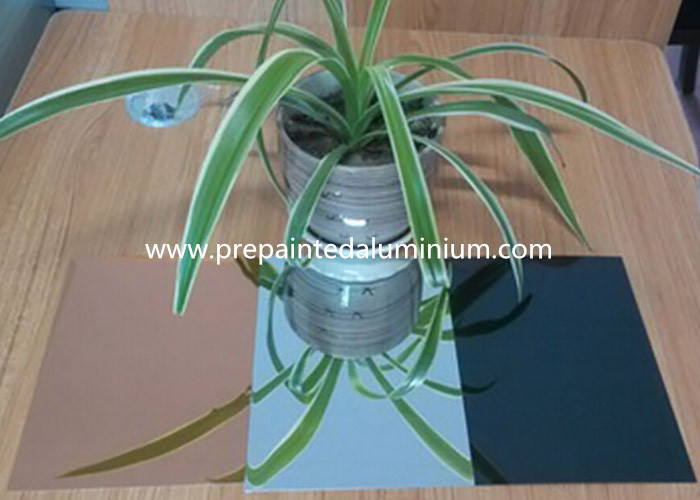
Key Benefits of Anodized Aluminum Sheets
1. Exceptional Corrosion Resistance
Anodization forms a barrier layer of aluminum oxide (Al₂O₃) that is 100% inert to moisture, chemicals, and UV radiation.
1.1 Tested Performance Data
Chemical Resistance: Resists acids (pH 4-9), alkalis, and industrial cleaners, making it ideal for food processing and laboratory equipment.
2. Superior Durability and Hardness
The anodized layer is significantly harder than raw aluminum, enhancing scratch and wear resistance.
2.1 Hardness Comparison (Vickers Scale)
| Material | Hardness (HV) |
| Raw Aluminum (6061-T6) | 95-110 |
| Type II Anodized | 200-300 |
| Type III Hard Anodized | 400-500 |
| Powder-Coated Aluminum | 150-200 |
| Data sourced from the International Anodizing Council (IAC) 2024 Material Testing Report |
|
2.2 Longevity
Anodized aluminum sheets have a service life of 25-30 years in outdoor applications, compared to 10-15 years for painted aluminum. This longevity reduces replacement costs and environmental impact.
3. Aesthetic Versatility and Customization
Anodization offers unmatched design flexibility through color options and finishes.
3.1 Color Range
Vibrant Hues: Red, blue, green, black (via organic dyeing, with UV-stable options).
Special Finishes: Matte, brushed, polished, or textured (e.g., stucco for slip resistance).
3.2 Color Retention
UV-stable anodized colors maintain 95% of their original shade after 10 years of outdoor exposure, per IAC testing—outperforming paint (which retains 60-70% color).
4. Environmental Sustainability
Anodized aluminum is an eco-friendly choice with multiple sustainability benefits:
Types of Anodized Aluminum Sheets: Which One Fits Your Needs?
Anodized aluminum is categorized into three primary types based on the anodizing process, each with distinct properties and applications.
1. Type I: Chromic Acid Anodizing
1.1 Process Overview
Uses chromic acid electrolyte (10-20% concentration) at low voltage (10-20V) and temperature (20-30°C), producing a thin layer (0.5-2.5 microns).
1.2 Key Characteristics
1.3 Typical Applications
Aerospace components, automotive parts, medical devices (per FDA biocompatibility standards).
2. Type II: Sulfuric Acid Anodizing
2.1 Process Overview
Most common type (accounts for 80% of anodized applications) using sulfuric acid electrolyte (15-20% concentration) at 12-18V and 18-22°C, layer thickness 5-20 microns.
2.2 Key Characteristics
2.3 Typical Applications
Architecture (facades, window frames), consumer electronics (laptop casings, smartphone backs), furniture, signage.
3. Type III: Hard Anodizing (Hardcoat Anodizing)
3.1 Process Overview
Uses concentrated sulfuric acid (18-25% concentration) at low temperature (0-10°C) and high voltage (20-40V), producing a thick layer (25-150 microns).
3.2 Key Characteristics
3.3 Typical Applications
Industrial machinery parts, marine components, tooling, high-wear surfaces (e.g., elevator panels).
Anodized vs. Non-Anodized Aluminum Sheets: Detailed Comparison
To understand the full value of anodized aluminum, here’s a side-by-side comparison with non-anodized (raw or painted) alternatives:
| Feature | Anodized Aluminum Sheets | Non-Anodized Aluminum Sheets |
| Corrosion Resistance | Excellent (1,000+ hours salt spray) | Poor (raw: 200-300 hours; painted: 500-800 hours) |
| Hardness | 200-500 HV (Type II/III) | 95-110 HV (raw); 150-200 HV (painted) |
| Color Retention | 95% after 10 years outdoor | 60-70% after 10 years (painted); fades (raw) |
| Maintenance | None (no re-coating needed) | Frequent (re-paint every 5-7 years) |
| Cost (Lifecycle) | Lower ($0.50-0.80/sq ft/year) | Higher ($1.20-1.50/sq ft/year) |
| Recyclability | 100% (no coating separation) | 90% (paint must be removed) |
| Environmental Impact | Low (zero VOCs, energy-efficient) | High (VOC emissions from paint) |
| Data compiled from IAC, Aluminum Association, and independent material testing labs (2024) |
|
|
How to Choose the Right Anodized Aluminum Sheet
1. Define Your Application Requirements
1.1 Environmental Conditions
1.2 Performance Needs
2. Select the Right Aluminum Alloy
The base alloy impacts anodization quality and performance. Top choices include:
2.1 6061-T6
2.2 5052-H32
2.3 7075-T6
3. Verify Quality Standards
Ensure your anodized aluminum sheets meet industry standards:
Applications of Anodized Aluminum Sheets Across Industries
1. Architecture and Construction
Uses: Facades, curtain walls, window frames, roofing, handrails.
2. Electronics and Technology
3. Automotive and Transportation
4. Marine and Coastal
Maintenance Tips for Anodized Aluminum Sheets
Anodized aluminum requires minimal maintenance to preserve its performance and appearance:
Cleaning: Use mild soap and water with a soft cloth; avoid abrasive cleaners or steel wool (which can scratch the anodized layer).
Stain Removal: For tough stains (e.g., oil, grease), use a 5% vinegar solution and rinse thoroughly.
Inspection: Check for damage (scratches, dents) annually; small scratches can be touched up with anodized touch-up paint (available from manufacturers).
Avoid Harsh Environments: If used in industrial settings with high chemical exposure, apply a protective wax coating every 2-3 years.
Conclusion: Invest in Anodized Aluminum for Long-Term Value
Anodized aluminum sheets offer a unique blend of durability, aesthetics, and sustainability that makes them superior to non-anodized alternatives for most applications. Whether you’re building a commercial structure, manufacturing electronics, or designing marine equipment, choosing the right type (Type I, II, or III) and alloy will ensure your project benefits from long service life, low maintenance costs, and environmental responsibility.
To get started, consult with a reputable anodized aluminum supplier who can provide certified products tailored to your specific needs. Request samples to test color, finish, and performance before making a bulk purchase. With the right selection, anodized aluminum will deliver value that lasts for decades.
Welcome to enquiry us with your needs on the painted aluminum coil or aluminum sheet.
Changzhou Dingang Metal Material Co.,Ltd
Robert Tang (Sales Director)
Email: robert@cnchangsong.com
Phone: 0086 159 6120 6328 (whatsapp & wechat)
Website: www.cnchangsong.com / www.prepaintedaluminium.com

 English
 العربية
 Français
 Русский
 Español
 Português
 Deutsch
 italiano
 日本語
日本語 한국어
한국어 Nederlands
 Tiếng Việt
 ไทย
ไทย Polski
 Türkçe
 ភាសាខ្មែរ
 Bahasa Melayu
 Filipino
 Bahasa Indonesia
 magyar
 Română
 Čeština
 Монгол
 हिन्दी
 فارسی
فارسی Slovenčina
 Slovenščina
 Norsk
Norsk Svenska
 Ελληνικά
 Suomi
Suomi Latine
 Dansk
Dansk Shqip
Shqip Hrvatski
 Afrikaans
 Gaeilge
 Eesti keel
 latviešu
 Azərbaycan dili
 Беларуская мова
 ქართული
 íslenska
 Kinyarwanda
 Lietuvių
 Lëtzebuergesch
 Македонски
 Malti
Malti Türkmençe
 ئۇيغۇرچە
 Cymraeg