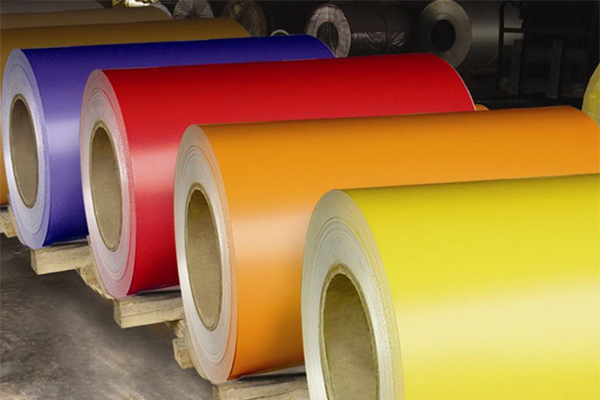
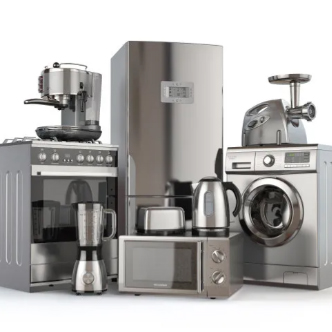
Prepainted aluminum used for household appliance panels

Aluminum Solutions for Appliances & Industrial Equipment

Decorative and Functional Surfaces for High-Volume Manufacturing

Appliances HVAC Enclosures Cabinets Cleanroom Functional Surfaces

Appliance and equipment manufacturers need material that runs consistently, forms without coating damage and presents a uniform surface on the finished product. Industrial environments may add further requirements such as static control, low-temperature forming, flame performance, salt resistance or cleanability.

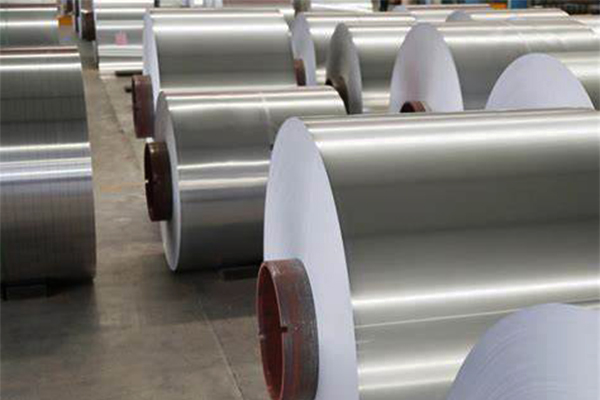
Ding'ang supplies prepainted, mill-finish, embossed and application-specific functional aluminum coil and sheet for home appliances, HVAC systems, cabinets, equipment housings, cleanroom components and industrial panels.

Material can be designed around the component geometry, production speed, surface appearance and measurable performance requirement.

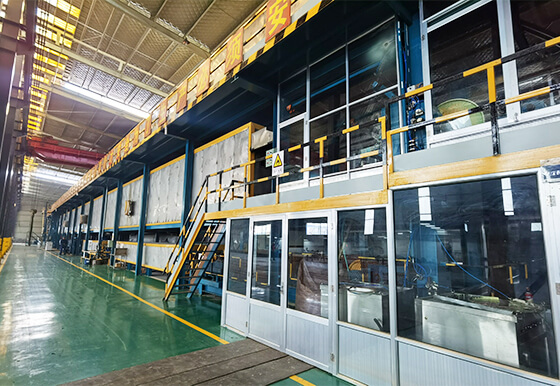
Pre-painted aluminum coating production line

From Decorative Skin to Engineered Functional Surface

The words “anti-static,” “flame-retardant” or “corrosion-resistant” are not complete specifications. Each function must be translated into a test method, target value and service condition.

Ding'ang works with customers to define:

  • Substrate strength and formability
  • Coating flexibility through stamping, bending or roll forming
  • Color and gloss consistency across production batches
  • Surface hardness and scratch resistance
  • Cleanability and stain resistance
  • Static-dissipative or conductive performance
  • Low-temperature bending behavior
  • Salt, humidity or chemical resistance
  • Front and reverse coating requirements
  • Coil dimensions suited to automated production

Recommended Industrial Aluminum Products

Coated aluminum for home appliances

Home Appliance Aluminum

Prepainted aluminum coil and sheet for refrigerator and freezer panels, washing-machine components, air-conditioner housings, water-heater panels, kitchen appliances and other consumer equipment.

Customers can select solid colors, metallic effects, brushed appearances, embossed textures, high-gloss finishes or low-gloss surfaces. The coating and temper should be matched to the actual forming process.
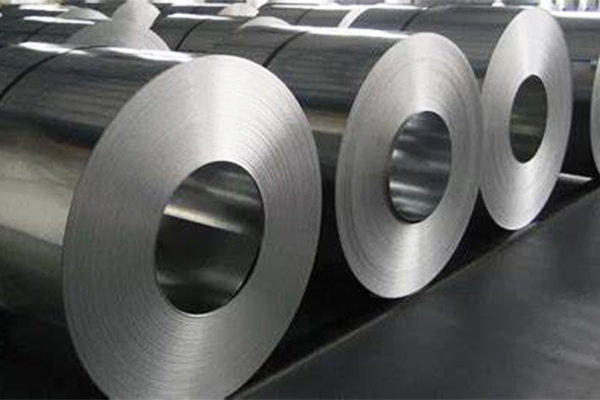
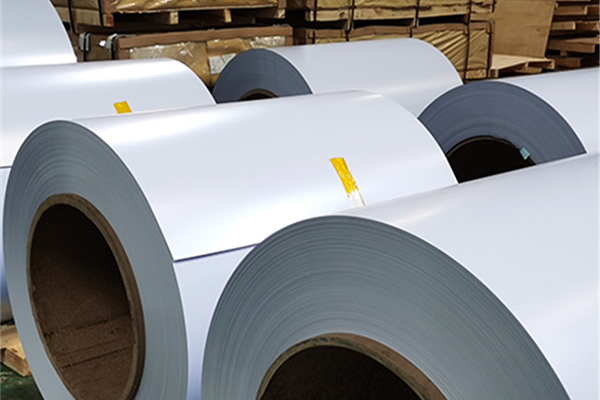
Anti-static and conductive coated aluminum

Anti-Static & Conductive Aluminum

Coated aluminum developed for equipment housings, electronic production areas, cleanroom panels, data-related equipment and applications requiring controlled surface electrical behavior.

The specification should state the required surface-resistance range, measurement method, test voltage, conditioning environment and whether one or both sides must perform.

Flame-performance coated aluminum

Flame-Performance Aluminum

Application-specific coated aluminum for equipment panels, transport interiors, cleanroom systems and industrial enclosures where flame spread, smoke or related fire behavior is controlled.

Any published claim should identify the tested product construction and test method. Results for a coating or metal skin must not be presented as a fire classification for an untested complete assembly.

Low-temperature bending aluminum

Low-Temperature Bending Aluminum

Substrate and coating combinations for components that are formed, installed or operated in cold conditions.

Low-temperature performance depends on alloy, temper, coating chemistry, coating thickness, bend radius and actual forming temperature. A customer-specific bend test is recommended.

Salt-resistant coated aluminum

Salt-Resistant Aluminum

Coated aluminum for coastal equipment, outdoor cabinets, marine-related housings and other salt-laden environments.

The complete system—including alloy, pretreatment, primer, topcoat, reverse coating and cut-edge design—should be considered in the corrosion specification.

Double-sided embossed aluminum

Double-Sided Embossed Aluminum

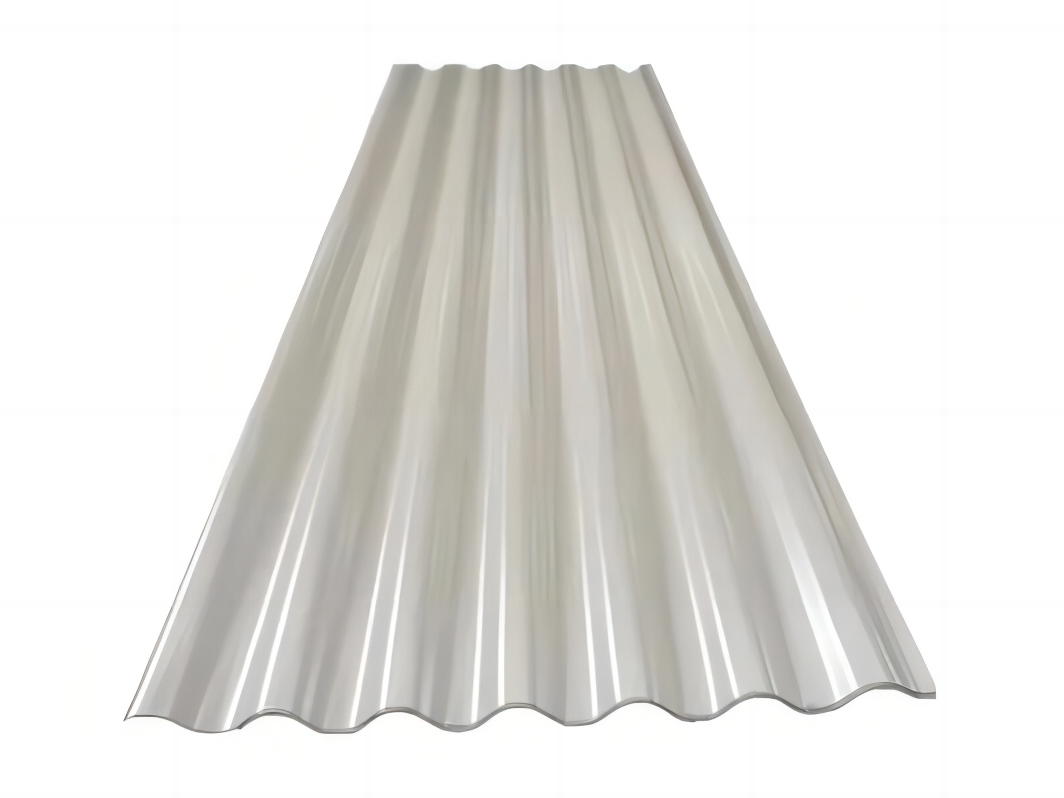
Embossed aluminum coil and sheet for equipment liners, insulation systems, anti-slip or decorative components, housings and panels where texture is required on one or both sides.

Pattern, depth, thickness, flatness and post-embossing mechanical properties should be confirmed before production.

Typical Material Configurations

Parameter Typical Options
Aluminum alloys AA1100, AA3003, AA3004, AA3105 and AA5052
Tempers O, H14, H16, H24, H26, H32 and application-specific tempers
Thickness Approximately 0.30–1.50 mm for many panels; selected projects can be evaluated up to approximately 3.00 mm
Width Master coil, slit width or cut-to-length format according to the production line
Coating systems PE, epoxy, SMP, PVDF, FEVE and application-specific functional coatings
Colors Appliance white, black, grey, metallic, RAL, Pantone or customer sample
Gloss High gloss, medium gloss, low gloss or matte
Surface Smooth, brushed, embossed, wood grain, metallic or customer-developed finish
Coating sides Top coat plus back primer, full double-side coating or different functions on two sides
Protection Optional protective film
Supply form Coil, slit coil, narrow strip, sheet, embossed sheet or custom blank

Functional Requirements to Define

    Requirement Information the Customer Should Provide
    Anti-static or conductive Target resistance range, test method, conditioning and tested side
    Flame performance Required standard, classification, specimen construction and thickness
    Low-temperature bending Minimum temperature, bend radius, direction and acceptance criteria
    Salt resistance Exposure method, test duration, scribe condition and acceptance level
    Chemical resistance Chemical name, concentration, temperature, contact time and cleaning cycle
    Cleanability Approved cleaner, wipe cycle, stain type and visual acceptance
    Formability Drawing depth, bend radius, stamping speed and lubrication

    Refrigerators and Freezers

    Refrigerator side panels, doors, backs and interior components may be bent, roll formed, laminated or foamed into the final assembly. The aluminum surface must remain consistent while the reverse side works with the insulation or bonding process.

    Important controls include:

    • Appliance-white color consistency
    • Surface cleanliness
    • Bending and hemming performance
    • Foam or adhesive compatibility
    • Protective-film stability
    • Scratch resistance during assembly
    • Resistance to approved household cleaners
    Discuss Refrigerators Freezers

    Washing Machines and Kitchen Appliances

    Components may undergo stamping, punching, drawing, rolling and edge forming. A coating that looks satisfactory on flat sheet may crack or change gloss after severe deformation.

    The trial should reproduce the actual tool geometry, lubricant, forming direction and production speed. For parts contacting food or potable water, the buyer must identify the applicable regulatory requirement.

    Discuss Washing Machines Kitchen Appliances

    Air-Conditioning and HVAC Equipment

    Outdoor HVAC housings require weather and corrosion resistance, while interior or duct components may prioritize formability and cost.

    Coastal installations should be defined separately from general inland use. A project may require a 5000-series substrate, enhanced pretreatment and a durable coating rather than a simple change of topcoat.

    Discuss Air-Conditioning HVAC Equipment

    Electrical Cabinets and Equipment Enclosures

    Cabinet panels need flatness, surface hardness, clean punching and reliable bending. Static-control, flame or salt-resistance functions should be stated in measurable terms.

    If electrical grounding depends on exposed metal, coating removal points and assembly design should be reviewed by the equipment manufacturer.

    Discuss Electrical Cabinets Equipment Enclosures

    Cleanroom, Energy and Data Equipment

    Cleanroom partitions, battery-energy-storage housings and data equipment may require controlled surface resistance, low gloss, cleanability or chemical resistance.

    Each requirement should be tied to the actual operating environment. Application trials and third-party testing may be necessary before a performance claim is published.

    Discuss Cleanroom Energy Data Equipment

    Performance and Quality Requirements

    Depending on the component, define:

    • Alloy, temper and mechanical properties
    • Thickness and width tolerance
    • Flatness
    • Color difference and gloss
    • Coating thickness
    • Pencil hardness
    • Cross-hatch adhesion
    • T-bend or minimum bend radius
    • Reverse impact
    • Scratch and abrasion resistance
    • Stain and cleaner resistance
    • Humidity and salt-spray resistance
    • Functional test method and acceptance range
    • Protective-film peel force and removal time
    • Coil ID, OD, weight and edge condition

    Golden samples and agreed inspection limits are recommended for visible appliance panels.

    Why Ding'ang for Appliance and Industrial Aluminum?

    01

    Decorative and Functional Coating Options

    Customers can develop both visual finishes and measurable application-specific functions within one material program.

    02

    Forming-Oriented Material Selection

    Alloy, temper and coating flexibility can be selected around bending, stamping, roll forming or lamination.

    03

    Front-and-Back Customization

    Different colors, primers or functions can be considered for the two sides of a component.

    04

    Converting Support

    Coating can be combined with slitting, embossing, protective film and cut-to-length processing.

    05

    Repeat Production Control

    Approved samples, color standards and documented specifications support consistent manufacturing programs.

    Industrial Material Development Process

    1. 01

      Define the Component

      — Confirm part location, forming route and service environment.

    2. 02

      Translate the Requirement

      — Convert general functions into test methods and target values.

    3. 03

      Select the Material

      — Define alloy, temper, thickness, coating and supply format.

    4. 04

      Approve Appearance

      — Confirm color, gloss, texture and golden sample.

    5. 05

      Run an Application Trial

      — Test forming, bonding, cleaning or functional performance.

    6. 06

      Freeze the Specification

      — Record dimensions, tolerances, tests, packing and labels.

    7. 07

      Produce & Inspect

      — Manufacture against the approved technical standard.

    Frequently Asked Questions

    Which alloy is suitable for appliance panels?

    AA3003 and AA3105 are common starting points for formed decorative panels. AA5052 may be evaluated when higher strength or corrosion resistance is required. The component geometry and forming process determine the final selection.

    Can you match appliance white or an existing brand color?

    Yes. Color can be developed from RAL, Pantone or an approved physical sample. Gloss, texture and viewing conditions should be defined together with the color.

    What does anti-static coated aluminum mean?

    It should mean that the coated surface meets a defined electrical-resistance range under an agreed test method. The target value, tested side, conditioning and measurement equipment must be specified.

    Can coated aluminum be deep drawn?

    Some substrate and coating combinations can tolerate drawing, but performance depends on drawing depth, tool geometry, lubricant, direction and coating system. A production-representative trial is required.

    Is flame-retardant aluminum automatically suitable for an enclosure or panel system?

    No. Fire performance normally depends on the tested material construction or complete assembly. The applicable standard and test specimen must be reviewed before making a compliance claim.

    Can both sides have different colors or functions?

    Yes, subject to coating-line and specification feasibility. For example, one side may provide a decorative finish while the reverse uses a service coat or bonding primer.

    Can Ding'ang provide slit coils for automated lines?

    Yes. Width, edge condition, coil ID, coil weight and winding quality can be configured around the feeding and forming equipment.

    Define Your Industrial Aluminum Requirement

    Send us a component drawing, forming process, target surface and required test standard. Ding'ang will propose a material configuration and sample-validation plan.

    Consult Us To Get Your Customized Aluminum Solution

    We help you avoid the pitfalls to delivery the quality and value your aluminum  need, on-time and on-budget.

    Products

    Application

    Quick links

    Follow Us

    Contact Us

        joey@cnchangsong.com
        +86-18602595888
       Building 2, Zhixing Business Plaza, No.25 North Street, Zhonglou District, Changzhou City, Jiangsu Province, China
        Chaoyang road, Konggang economic development area, Lianshui, Huai'an city, Jiangsu,China
    © COPYRIGHT 2026 CHANGZHOU DINGANG METAL MATERIAL CO., LTD. ALL RIGHTS RESERVED.