Coated aluminum foil for food and beverage packaging

Coated Aluminum Foil Solutions for Food & Beverage Packaging

Seal Integrity, Print Quality and Reliable Performance on the Packaging Line

Dairy Lids Portion Cups Containers Coffee Capsules Printed Foil Technical Packaging

Packaging foil is a functional material, not only a metal layer. Its aluminum substrate, protective lacquer, print surface and heat-seal coating must work together with the cup, tray or capsule and remain stable through printing, punching, sealing, filling, transportation and opening.

Ding'ang supplies coated and printed aluminum foil for yogurt and dairy lids, portion cups, food containers, coffee capsules and application-specific technical packaging.

Specifications can be developed around the package structure, sealing substrate, filling temperature, line speed, opening behavior, print design and applicable food-contact requirements.

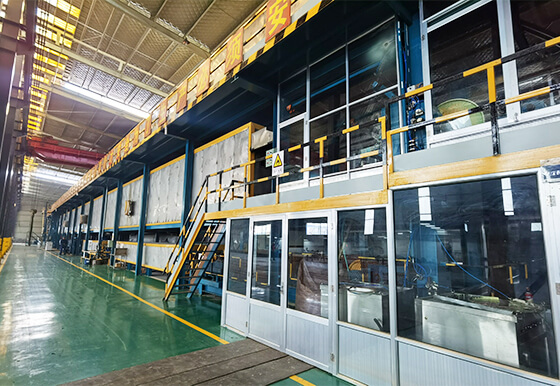
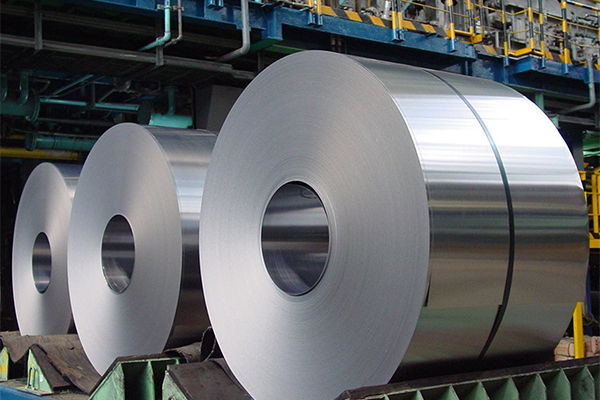
Pre-painted aluminum coating production line

Packaging Foil Developed as a Complete Seal System

A foil that seals well to one cup material may fail on another. Even cups described with the same polymer name can differ in surface treatment, additives, wall thickness and sealing behavior.

Ding'ang helps customers define:

  • Aluminum alloy, temper and gauge
  • Lacquer structure on both sides
  • Compatibility with PP, PS, PET, PE or other agreed sealing surfaces
  • Peelable or permanent seal behavior
  • Heat-seal temperature window
  • Seal strength and opening consistency
  • Print adhesion and color appearance
  • Pinhole, curl and die-cut performance
  • Odor, solvent residue and migration requirements
  • Slit width, roll dimensions and packing for the converting line
  • Final approval should use the customer’s actual container, sealing machine and production conditions.

Recommended Packaging Foil Products

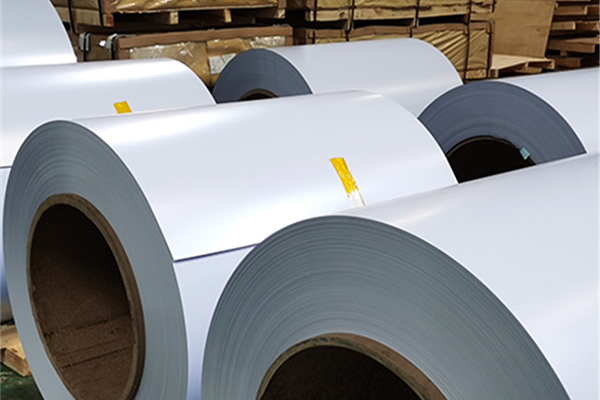
Heat-seal lacquered aluminum foil for food packaging

Heat-Seal Lacquered Foil

Aluminum foil coated with a protective or print-receptive surface on one side and a heat-seal lacquer on the other.

Lacquer systems can be evaluated for sealing to PP, PS, PET, PE and other specified substrates. The customer should define whether the required seal is peelable, easy-open, child-resistant or permanent.
Aluminum foil for yogurt and dairy lids

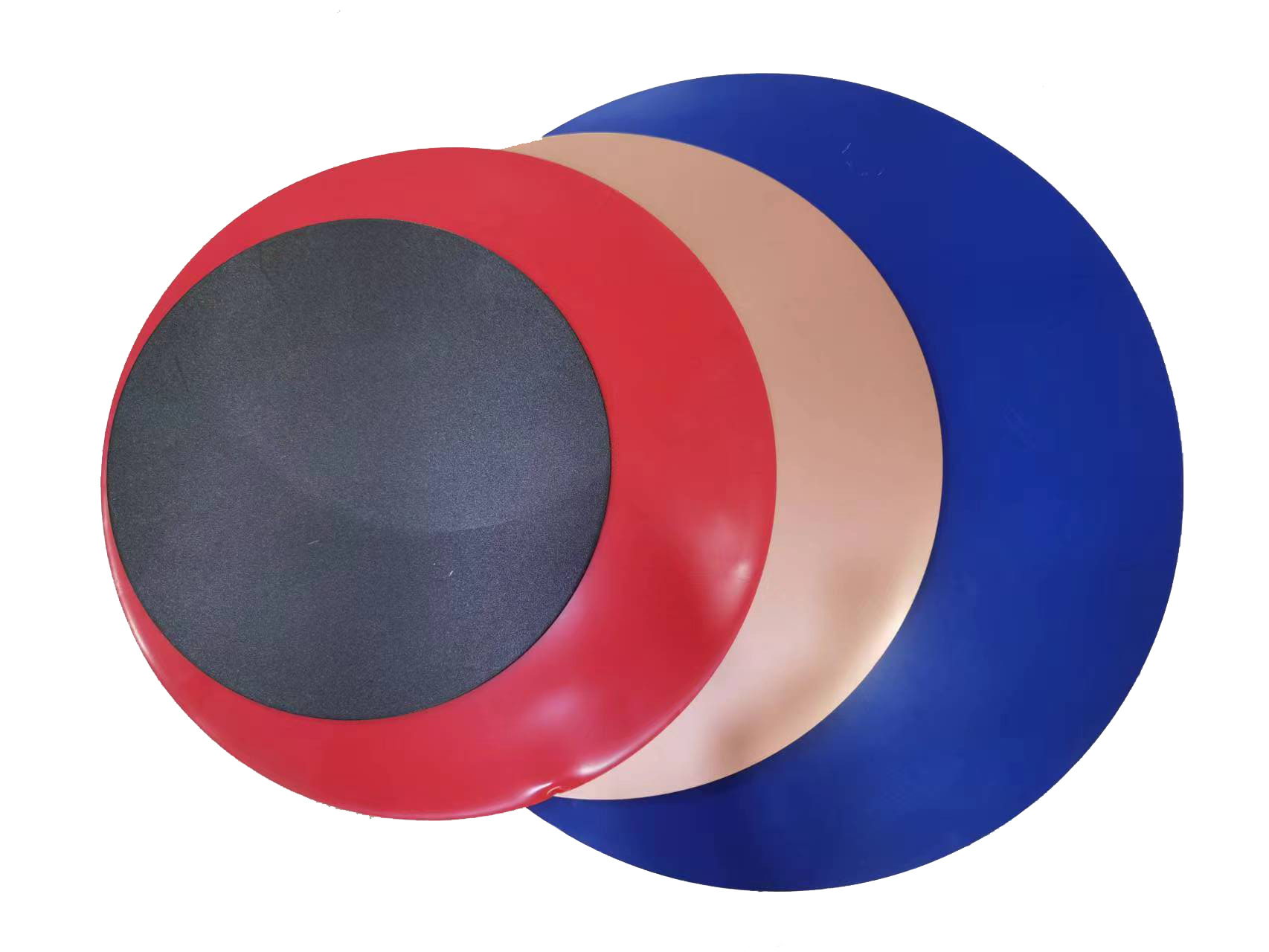
Yogurt & Dairy Lid Foil

Soft-temper coated aluminum foil for yogurt cups, cream, cheese portions, desserts, milk-based drinks and other dairy packaging.

Typical material is designed for printing, embossing, punching and sealing. Opening force should be consistent across the lid, without channel leaks, tearing or excessive residue on the cup rim.

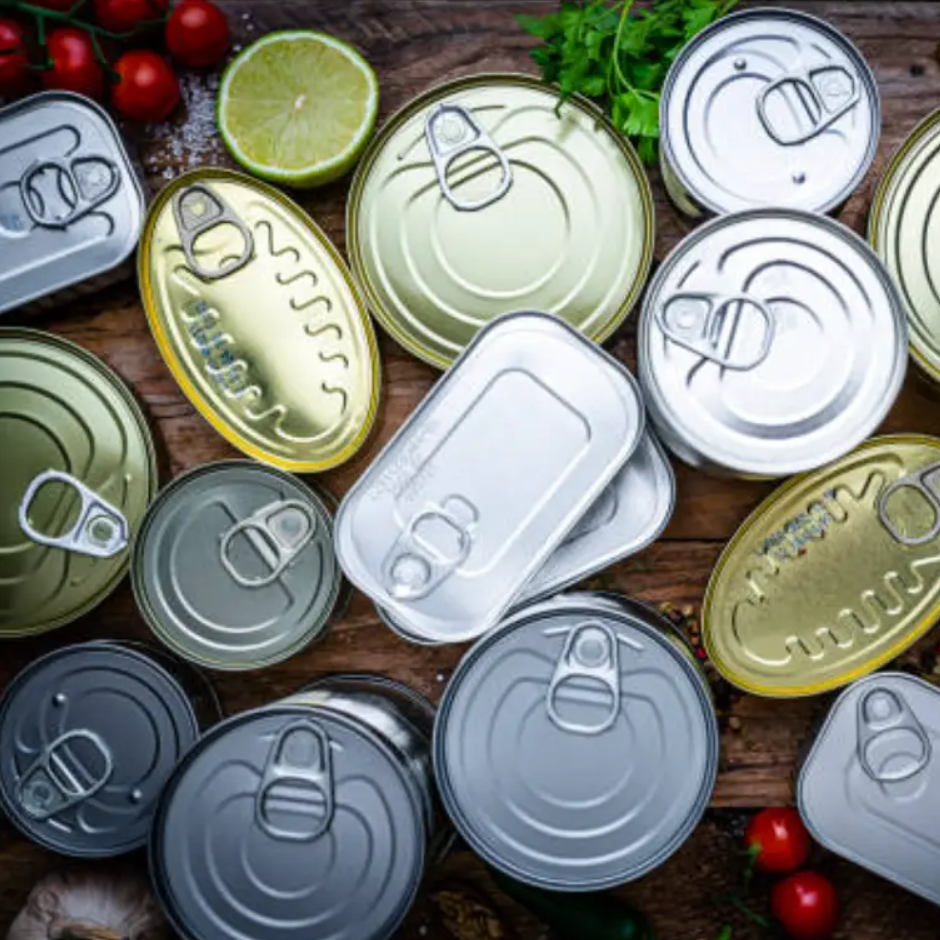
Aluminum material for food containers

Food Container Foil

Aluminum foil and light-gauge sheet for formed food trays, takeaway containers, airline catering, bakery products and household food containers.

Material selection depends on draw depth, rim geometry, rigidity, lidding method, heating condition and whether the surface is mill finish, lacquered, printed or pre-lubricated.

Printed and colored aluminum foil

Printed Aluminum Foil

Printed or print-ready aluminum foil for branded lids, portion packs, pharmaceutical-style technical packs and promotional packaging.

Print development should control artwork, repeat length, color standard, registration, barcode readability, lacquer compatibility and the final converting direction.

Aluminum foil and blanks for coffee capsules

Coffee Capsule Foil

Coated foil for coffee-capsule lids and selected capsule-body applications.

The lidding material should be evaluated for puncture behavior, seal strength, aroma barrier, printing, opening performance and compatibility with the specific capsule polymer or aluminum rim.

Technical coated aluminum foil

Technical Coated Foil

Application-specific coated foil for non-standard lidding, industrial sealing, insulation facing and other technical laminates.

The final structure should be defined by function, test method and contact environment rather than by a generic coating name.

Typical Material Configurations

The table provides development ranges, not a universal specification.

Application Typical alloy and temper Typical gauge Surface structure
Yogurt and dairy lids AA8011, AA1235 or AA8079, generally soft temper Approximately 30–50 μm Print/protective lacquer on one side; heat-seal lacquer on the sealing side
Portion-cup lids AA8011, AA1235 or application-specific foil Approximately 30–60 μm Plain, printed or embossed; peelable or permanent heat seal
Formed food containers AA3003 or AA8011, commonly H22/H24 or project-specific temper Approximately 60–120 μm for many formats Mill finish, lacquered, colored, printed or pre-lubricated
Coffee-capsule lids Alloy and temper selected by capsule design Project-specific Print lacquer plus compatible heat-seal lacquer
Capsule bodies Forming-grade foil or light-gauge aluminum Project-specific Lacquered or colored surface developed for drawing
Technical coated foil AA1235, AA8011 or other agreed alloy Project-specific Primer, lacquer, heat seal, color or functional coating

Available Development Options

  • Peelable or permanent heat-seal systems
  • Seal development for PP, PS, PET, PE and approved specialty substrates
  • Clear, white, gold or colored lacquer
  • Print primer and protective over-lacquer
  • One-color or multicolor printing programs, subject to artwork and capability
  • Smooth or embossed foil
  • Roll stock or die-cut-lid supply, subject to project scope
  • Customer-specific slit width, roll OD, core and winding direction

Yogurt and Dairy Lids

Dairy lidding requires a balance between seal security and consumer opening. A seal that is too weak may leak during distribution; a seal that is too strong may tear or be difficult to peel.

The development program should define:

  • Cup material and supplier
  • Rim dimensions and surface condition
  • Product filling temperature
  • Sealing-jaw temperature, pressure and dwell time
  • Required peel strength and peel mode
  • Storage temperature
  • Pasteurization or other thermal process
  • Embossing and die-cut geometry
  • Printing and coding requirements

Trials should check both the center and edges of the operating window, not only one laboratory sealing condition.

Discuss Yogurt Dairy Lids

Food Containers and Trays

Container foil must draw without unacceptable tearing, wrinkling or pinholes and retain adequate rim strength after forming.

Important controls include:

  • Alloy, temper and gauge
  • Rolling direction
  • Lubrication
  • Drawing depth
  • Tooling and forming speed
  • Rim curl or flange geometry
  • Oven, freezer or reheating condition
  • Lidding and stacking method

Suitability for microwave, conventional oven, freezer or retort use must be evaluated for the complete container and food system.

Discuss Food Containers Trays

Coffee Capsules

Coffee-capsule lidding must maintain aroma protection while sealing consistently and opening correctly in the brewing machine.

The customer should provide the capsule type, rim material, machine system, sealing conditions and puncture pattern. Compatibility must be confirmed with the actual capsule and coffee-filling process.

Discuss Coffee Capsules

Printed Lids and Foil

Artwork approval should include:

  • Editable production artwork
  • Color references
  • Printing direction
  • Repeat length
  • Eye mark and registration
  • Text and barcode size
  • Embossing direction
  • Slitting or punching layout
  • Final viewing and sealing sides

Food-contact and low-migration requirements should be specified before ink and lacquer selection.

Discuss Printed Lids Foil

Technical Packaging

For non-standard packs, the buyer should provide the total package structure, product contact, sterilization or heating process, expected shelf life and required barrier properties.

No single coated foil is suitable for every chemical, food or sealing substrate. Laboratory and line trials are part of responsible material selection.

Discuss Technical Packaging

Quality and Compliance Requirements

Depending on the application, the agreed specification may include:

  • Alloy, temper and gauge tolerance
  • Pinholes and surface cleanliness
  • Coating weight
  • Lacquer adhesion
  • Heat-seal initiation temperature
  • Operating seal window
  • Seal strength and peel mode
  • Blocking resistance
  • Coefficient of friction
  • Curl and flatness
  • Surface tension or printability
  • Print color, registration and rub resistance
  • Odor and residual solvent
  • Overall or specific migration
  • Winding quality, splice limits and roll traceability

Where applicable, the packaging structure may be evaluated against customer-specified requirements such as Regulation (EC) No 1935/2004, Regulation (EC) No 2023/2006 and relevant provisions of U.S. FDA 21 CFR.

Compliance is product-, structure- and market-specific. Final published claims must be supported by the relevant declaration, test report and intended conditions of use.

Why Ding'ang for Coated Packaging Foil?

01

Substrate and Coating Coordination

The foil gauge, temper, protective layer and heat-seal system can be developed as one specification.

02

Multiple Sealing Substrates

Lacquer systems can be evaluated for commonly used PP, PS, PET and PE containers.

03

Print and Surface Options

Customers can develop plain, colored, printed or embossed foil according to brand and converting needs.

04

Custom Roll Conversion

Slit width, roll OD, core, winding direction and packing can be configured for the customer’s printing or packaging line.

05

Trial-Based Approval

Sample material can be tested with the actual cup, capsule, container and sealing conditions before commercial production.

Packaging Foil Development Process

  1. 01

    Define the Package

    — Identify the container, product, filling process and target market.

  2. 02

    Specify the Seal

    — Confirm substrate, peel behavior, temperature window and seal-strength target.

  3. 03

    Select the Foil

    — Define alloy, temper, gauge, lacquer structure and supply format.

  4. 04

    Prepare Samples

    — Produce laboratory or pilot samples for printing, punching and sealing.

  5. 05

    Run Line Trials

    — Test the actual packaging machine across the proposed operating window.

  6. 06

    Review Compliance

    — Confirm declarations and test requirements for the intended market and use.

  7. 07

    Freeze the Standard

    — Approve the material structure, artwork, tolerances and packing.

  8. 08

    Produce & Trace

    — Manufacture with batch identification and agreed quality records.

Frequently Asked Questions

Which foil is commonly used for yogurt lids?

AA8011, AA1235 and AA8079 in soft temper are common options. Typical gauges are approximately 30–50 μm, but the correct material depends on lid size, embossing, die cutting and sealing performance.

Can one heat-seal lacquer seal to every plastic cup?

No. Lacquer compatibility depends on the cup polymer, surface, additives and sealing conditions. The actual cup must be tested.

Can you provide peelable and permanent seals?

Both types can be evaluated. The buyer should define the target peel force, peel mode, temperature window and package-integrity requirement.

Is the foil automatically “food grade”?

“Food grade” is not a complete technical claim. Suitability depends on the complete foil structure, product contact, temperature, time and target-market regulation. Supporting declarations and test reports must match the intended use.

Can coated foil be printed after delivery?

Yes, if a print-receptive surface is specified. The customer should identify the ink system, printing process and curing conditions before sample approval.

Can you supply die-cut lids?

Die-cut-lid supply can be evaluated according to lid geometry, embossing, artwork, quantity and partner or in-house converting scope. The quotation should state the exact supply responsibility.

What information is needed for a quotation?

Provide the foil structure or existing sample, alloy and gauge if known, container material, sealing conditions, roll or lid size, artwork, annual quantity, target market and required compliance documents.

Develop a Reliable Packaging Seal

Send us your cup, tray or capsule sample together with the sealing conditions and target opening behavior. Ding'ang will propose a foil and lacquer structure for evaluation.

Consult Us To Get Your Customized Aluminum Solution

We help you avoid the pitfalls to delivery the quality and value your aluminum  need, on-time and on-budget.

Products

Application

Quick links

Follow Us

Contact Us

    joey@cnchangsong.com
    +86-18602595888
   Building 2, Zhixing Business Plaza, No.25 North Street, Zhonglou District, Changzhou City, Jiangsu Province, China
    Chaoyang road, Konggang economic development area, Lianshui, Huai'an city, Jiangsu,China
© COPYRIGHT 2026 CHANGZHOU DINGANG METAL MATERIAL CO., LTD. ALL RIGHTS RESERVED.