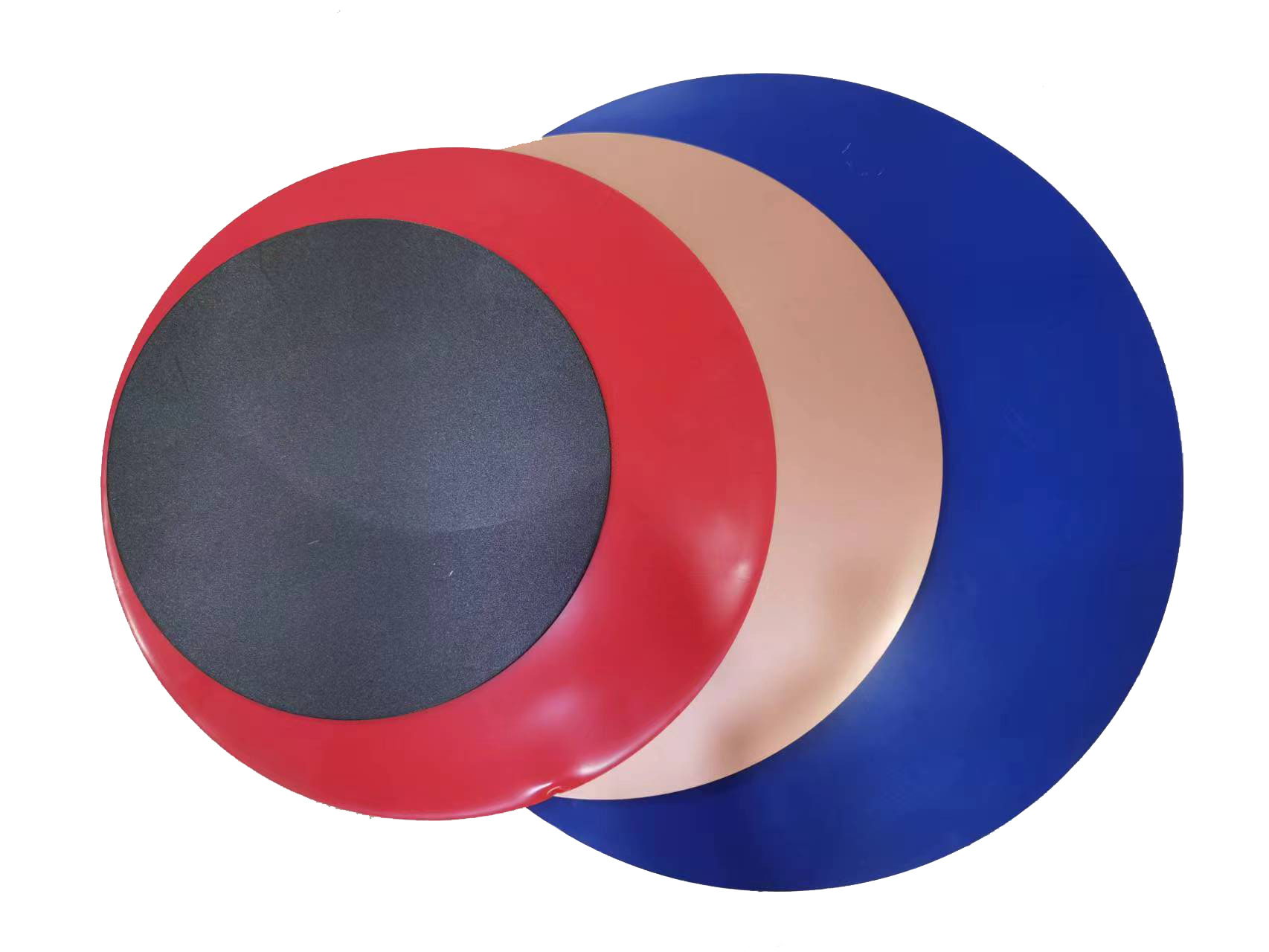
Aluminum circles for cookware and consumer products

Aluminum Solutions for Cookware & Consumer Products

Forming-Grade Circles and Blanks with Controlled Surface and Edge Quality

Cookware Circles Deep Drawing Coated Blanks Lids Appliance Parts Sign Blanks

Cookware begins with a carefully selected substrate. The alloy, temper, grain structure, rolling route and blank quality influence drawing depth, earing, wall uniformity and the final surface after polishing or coating.

Ding'ang supplies mill-finish aluminum coil, sheet, circles and custom blanks for frying pans, pots, lids, rice cookers, pressure cookers, small appliances, road signs and other consumer products.

Prepainted or non-stick coated circles can also be evaluated where the coating is designed and validated for the intended forming and service process.

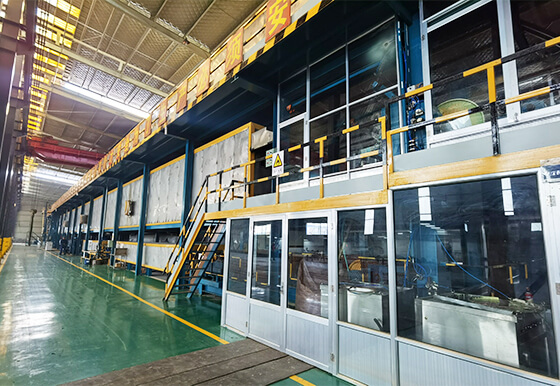
Pre-painted aluminum coating production line

Material Selected Around the Forming Route

Two cookware parts with the same finished dimensions may require different starting material if one is deep drawn, one is spun and one is impact bonded.

Ding'ang helps buyers define:

  • Alloy and temper for drawing depth
  • Direct-chill or continuous-cast starting material
  • Thickness and diameter tolerance
  • Mechanical properties and elongation
  • Grain structure and earing control
  • Surface quality for polishing, anodizing or coating
  • Lubrication and cleanliness
  • Burr, edge condition and blank flatness
  • Pre-coated-surface behavior during forming
  • Packing that prevents scratches and moisture damage

Recommended Circle and Blank Products

Mill-finish aluminum circles

Mill-Finish Aluminum Circles

Uncoated aluminum discs for deep drawing, spinning, stamping and subsequent polishing, anodizing, spraying or non-stick coating.

This is the most flexible route for cookware manufacturers because the final surface treatment is applied after the major forming operation.

Deep-drawing aluminum discs

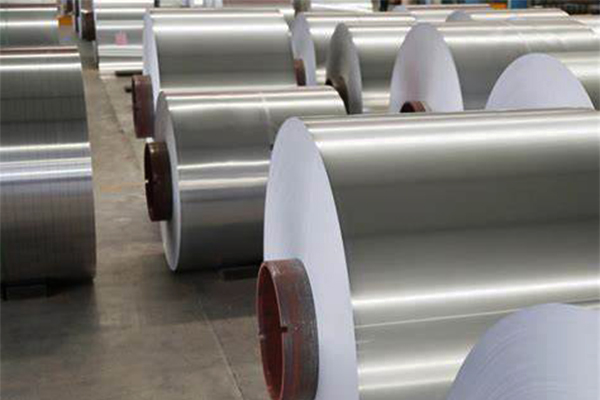
Deep-Drawing Aluminum Discs

Forming-grade circles selected for pots, pans, pressure-cooker bodies, rice-cooker liners, kettles and other drawn components.

The material specification should include more than alloy and temper. Tensile properties, elongation, earing, grain condition, thickness variation and blank edge all affect production yield.

Prepainted aluminum circles

Prepainted Aluminum Circles

Color-coated circles for lids, signs, appliance components, decorative products and selected shallow-formed parts.

If the blank will be formed after coating, the proposed paint system must be tested at the actual draw depth and bend radius. A general prepainted coil specification does not guarantee suitability for severe drawing.

Coated aluminum for non-stick cookware

Non-Stick Cookware Aluminum

Aluminum substrate or application-specific coated blanks for frying pans, grills, baking trays and cookware components.

For conventional cookware, the common route is to form the mill-finish blank first and apply the non-stick system afterward. Pre-coated blanks may be considered only when the coating supplier, forming process and finished-use tests confirm suitability.

Aluminum lids and appliance blanks

Aluminum Lids and Appliance Blanks

Circles and shaped blanks for cookware lids, rice cookers, pressure cookers, fan components, lighting reflectors and small-appliance parts.

Material may be mill finish, anodizing quality, brushed, embossed or prepainted according to the component.

Typical Material Configurations

Application Common alloy and temper Typical thickness Typical supply
Deep-drawn cookware AA1050, AA1060, AA1070 or AA1100, commonly O temper Approximately 0.50–2.50 mm Mill-finish circles or coil
General pots and lids AA1050, AA1060, AA1100 or AA3003, O/H12/H14 as required Approximately 0.30–2.50 mm Circle, sheet or custom blank
Higher-strength cookware parts AA3003 and application-specific alloys Project-specific Circle or sheet
Prepainted lids and components 1000- or 3000-series formable substrate Project-specific Prepainted circle or blank
Non-stick cookware Forming-grade aluminum compatible with the selected coating process Project-specific Mill-finish substrate or validated coated blank
Traffic signs AA1050, AA1100, AA3003 or AA5052 Commonly about 1.00–3.00 mm Circle, rectangular blank or sheet

Direct-Chill and Continuous-Cast Material

  • Direct-chill (DC) material is often preferred for demanding deep drawing because its processing route can provide a controlled metallurgical structure and forming response.
  • Continuous-cast (CC) material may be suitable for shallower forming, lids, road signs and cost-sensitive general products.
  • The casting route alone does not determine performance. The finished material must still meet the agreed mechanical properties, earing, grain and forming trial.

Custom Conversion Options

  • Circle diameter to drawing specification
  • Thickness and diameter tolerance
  • Center hole or additional holes
  • Round, rectangular or custom-shaped blanks
  • Deburred or controlled-edge condition
  • Surface degreasing
  • Protective paper or film
  • Lubricated blanks, subject to approved lubricant
  • Mill finish, embossed, brushed or coated surface
  • Export pallet or production-line-ready packing

Deep-Drawn Pots and Pans

Deep drawing redistributes metal from the blank into the wall of the part. Uneven properties can produce excessive earing, wall thinning, tearing or wrinkling.

The manufacturer should provide:

  • Finished part drawing
  • Blank diameter
  • Number of drawing stages
  • Draw ratio
  • Punch and die radii
  • Lubricant
  • Annealing between stages, if any
  • Minimum wall thickness
  • Earing and surface acceptance criteria

An application trial should confirm the final alloy, temper and blank diameter.

Discuss Deep-Drawn Pots Pans

Spun Cookware and Lids

Spinning requires a material that deforms gradually without splitting or developing an unacceptable surface.

Key controls include concentricity, circle flatness, edge quality, rolling direction and lubrication. The tooling and spinning speed should be included in the sample evaluation.

Discuss Spun Cookware Lids

Coated Cookware

Non-stick and decorative coatings must survive the manufacturing route and intended use.

For post-coated cookware, the aluminum surface should be suitable for cleaning, roughening, pretreatment and coating adhesion after forming.

For pre-coated blanks, validation should include:

  • Forming cracks
  • Coating adhesion
  • Color or gloss change
  • Surface damage from tooling
  • Thermal cycling
  • Abrasion and cleaning
  • Food-contact suitability where applicable
Discuss Coated Cookware

Rice Cookers and Small Appliances

Inner pots, heating components, lids and decorative housings may require different aluminum grades and surfaces. The inner pot may prioritize drawing and coating compatibility, while the outer housing may prioritize color and appearance.

Separate the component requirements instead of applying one material specification to the entire appliance.

Discuss Rice Cookers Small Appliances

Signs and General Blanks

Road-sign and consumer-product blanks prioritize flatness, stiffness, clean edges and surface compatibility. Hole patterns, corner radii and surface preparation should be supplied by drawing.

Discuss Signs General Blanks

Performance and Quality Requirements

Depending on the forming process, define:

  • Alloy, temper and production route
  • Chemical composition
  • Tensile strength, yield strength and elongation
  • Earing percentage and orientation
  • Grain size or microstructure requirement
  • Thickness and diameter tolerance
  • Flatness and concentricity
  • Edge burr and edge cracks
  • Surface roughness
  • Oil, stain, scratch and inclusion limits
  • Cleanliness or lubricant specification
  • Coating adhesion and formability, if pre-coated
  • Packing orientation and separator material

For cookware contacting food, suitability must be assessed for the finished product, including substrate, pretreatment, coating, use temperature and target-market regulation.

Why Ding'ang for Circles and Consumer-Product Aluminum?

01

Multiple Alloy and Temper Options

1000-, 3000- and selected 5000-series materials can support different drawing, spinning and stiffness requirements.

02

Coil-to-Blank Supply

Customers can source master material, cut circles, sheets or custom blanks according to their production model.

03

Surface Flexibility

Mill finish, embossed, brushed, prepainted and application-specific coated options can be evaluated.

04

Application-Oriented Sample Trials

Material can be sampled against the customer’s drawing, tooling and forming sequence before repeat orders.

05

Export Packing

Circles and blanks can be separated and palletized to reduce edge damage, scratching and moisture exposure in transit.

Circle and Blank Development Process

  1. 01

    Review the Finished Part

    — Confirm geometry, forming route, service use and surface treatment.

  2. 02

    Calculate the Starting Blank

    — Define diameter, thickness, holes and edge condition.

  3. 03

    Select the Material

    — Confirm alloy, temper, production route and mechanical targets.

  4. 04

    Prepare Trial Blanks

    — Supply samples for drawing, spinning or stamping.

  5. 05

    Inspect the Formed Part

    — Review earing, tearing, wall thickness and surface.

  6. 06

    Confirm the Surface Route

    — Validate polishing, anodizing, painting or non-stick coating.

  7. 07

    Freeze the Specification

    — Record tolerances, tests, packing and traceability.

  8. 08

    Produce & Deliver

    — Convert and inspect against the approved standard.

Frequently Asked Questions

Which alloy is commonly used for deep-drawn cookware?

AA1050, AA1060, AA1070 and AA1100 in soft temper are common starting points. AA3003 may be selected where additional strength is required. The part geometry and drawing route determine the final grade.

What is the typical thickness range for cookware circles?

Many cookware and consumer-product circles fall between approximately 0.30 and 2.50 mm. The correct gauge depends on diameter, draw depth, finished wall thickness and stiffness requirement.

Is DC material always better than CC material?

Not for every part. DC material is often selected for demanding deep drawing, while CC material may be suitable for shallow parts, lids and general blanks. The decision should be based on properties and forming trials.

Can prepainted circles be deep drawn?

Only if the specific substrate and coating are validated for the actual drawing process. Severe drawing may crack or damage a conventional prepainted surface.

Should non-stick coating be applied before or after forming?

For many cookware products, forming first and coating afterward is the safer and more flexible route. Pre-coated blanks require a coating system specifically designed and tested for post-coating deformation.

Can you supply custom diameters and holes?

Yes. Provide a drawing with diameter, tolerances, hole size and position, burr limit and quantity.

Can you certify the finished cookware for food contact?

The finished-product manufacturer is responsible for the complete cookware construction. Ding'ang can provide material-specific declarations or test documents where available, but final suitability depends on all layers and intended conditions of use.

Develop Your Circle or Blank Specification

Send us the finished-part drawing, forming sequence, target surface and annual quantity. Ding'ang will recommend a starting material and trial-blank specification.

Consult Us To Get Your Customized Aluminum Solution

We help you avoid the pitfalls to delivery the quality and value your aluminum  need, on-time and on-budget.

Products

Application

Quick links

Follow Us

Contact Us

    joey@cnchangsong.com
    +86-18602595888
   Building 2, Zhixing Business Plaza, No.25 North Street, Zhonglou District, Changzhou City, Jiangsu Province, China
    Chaoyang road, Konggang economic development area, Lianshui, Huai'an city, Jiangsu,China
© COPYRIGHT 2026 CHANGZHOU DINGANG METAL MATERIAL CO., LTD. ALL RIGHTS RESERVED.