PPAL
DINGANG
| Availability: | |
|---|---|
| Quantity: | |
1060-O aluminum circle is a soft, formable aluminum blank used for manufacturing frying pans, pots, cookware bodies, lids and other drawn or spun kitchen utensils. The annealed temper provides the ductility required for suitable deep-drawing and spinning operations.
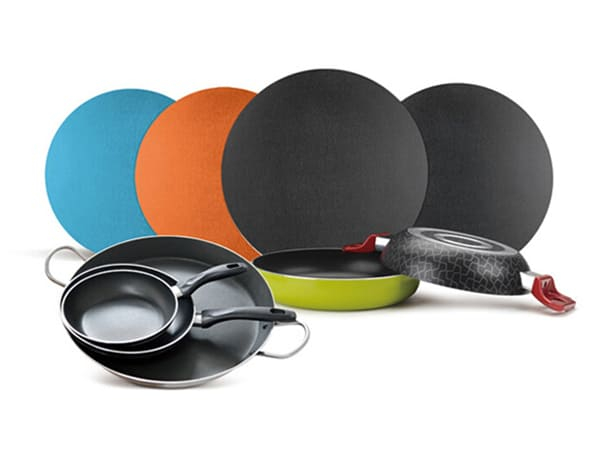
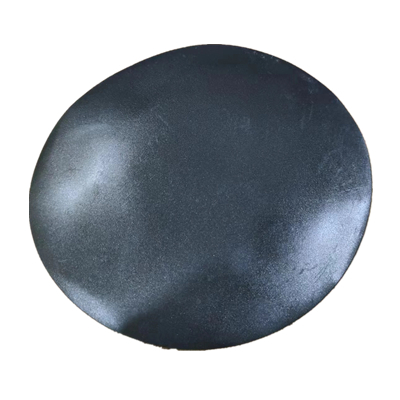
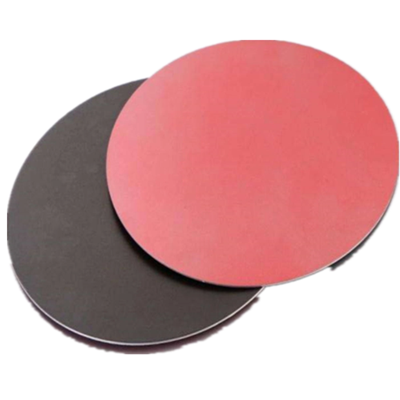
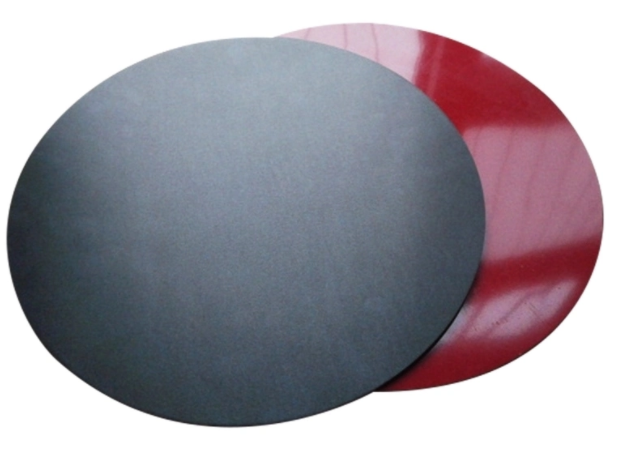
For non-stick cookware production, the aluminum circle can be supplied as a prepared or coated blank according to the customer's forming sequence and coating process. Diameter, thickness, surface condition and coating requirements should be confirmed according to the cookware design and production line.
Dingang supplies 1060 aluminum circles and additional 1xxx, 3xxx and 5xxx series options for cookware manufacturers. Custom diameters, tempers and surface requirements can be discussed for frying pans, saucepans, stock pots, woks, lids and related products.
Request 1060-O Aluminum Circle Price
| Primary Alloy | AA1060 |
| Primary Temper | O temper / annealed condition |
| Available Diameter | 100–800 mm based on the listed product range; custom dimensions subject to confirmation |
| Common Diameters | 300 mm, 400 mm, 500 mm, 600 mm, 800 mm and custom sizes |
| Listed Punching Thickness | Up to 1.20 mm for the listed punching capability; other requirements should be confirmed before ordering |
| Optional Alloys | 1050, 1060, 1100, 3003, 3005, 3105 and other application-specific grades |
| Optional Tempers | O, H12, H14 and other suitable tempers according to alloy and forming requirements |
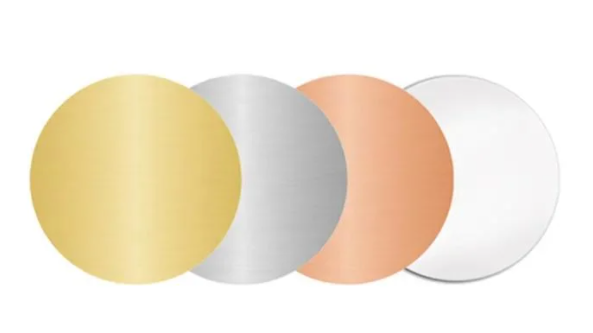
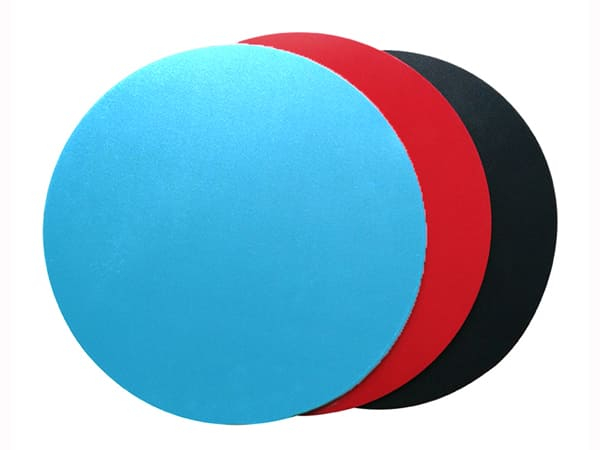
| Surface | Mill finish, prepared surface, prepainted or application-specific coated surface subject to confirmation |
| Processing | Punching, blanking, annealing, deep drawing, spinning and subsequent surface treatment |
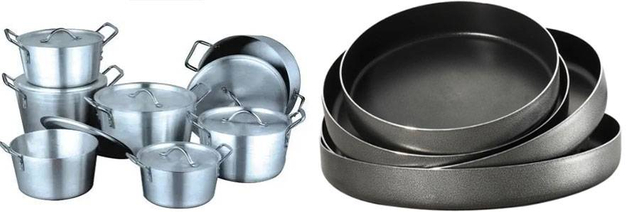
| Typical Cookware | Frying pans, non-stick pans, saucepans, stock pots, woks, cookware lids and other formed utensils |
| MOQ | 1,000 kg per size according to the listed product information |
| Lead Time | Typically within 30 days, subject to specification and order quantity |
| Payment | T/T or irrevocable L/C at sight |
| Origin | China |

O temper is the annealed condition and provides lower strength with increased workability. This makes 1060-O suitable for cookware components that must undergo substantial deformation during drawing or spinning.
Cookware bodies are commonly produced by pressing a flat aluminum circle into a three-dimensional form. Material ductility, thickness consistency and grain condition are therefore important for reducing tearing, uneven deformation and excessive thinning during drawing.
Aluminum circles can also be processed by spinning to manufacture round cookware and related components. Material specification should be matched to the required depth, wall profile and production equipment.
Aluminum transfers heat efficiently, which is one reason aluminum is widely used in cookware bodies and heat-distribution components.
The relatively low density of aluminum helps cookware manufacturers produce pans, pots and lids that are easier to handle than comparable components made entirely from heavier metals.

A non-stick cookware blank must be compatible with the manufacturer's forming and coating sequence. Some cookware producers form the aluminum body first and apply the coating afterward, while other projects may require a validated pre-coated blank.
When ordering coated circles, buyers should specify the coating system, coating side, color, film requirements, forming process and expected bake or curing conditions. Compatibility between the coating and the required drawing depth should be verified before mass production.
For cookware intended for food contact, the cookware manufacturer should confirm that the complete coating system and finished product meet the applicable food-contact and market requirements for the destination country.
Discuss Your Non-Stick Coating Requirements
Non-stick frying pans
Saucepans
Stock pots
Woks
Cookware lids
Rice cooker inner pots
Electric skillets
Pizza pans and bakeware
Other deep-drawn or spun aluminum kitchenware
| Alloy Series | Temper Range | Typical Alloys | Material Characteristics | Typical Applications |
| 1xxx Series | O, H12, H14, H16, H18, H111, H112 or application-specific temper | 1050, 1060, 1070, 1100 | High aluminum content, good formability, high reflectivity and stable surface characteristics. | General cookware, aluminum pots, lids, lampshades, signage and building components. |
| 3xxx Series | O, H12, H14, H16, H18 and application-specific temper | 3003, 3004, 3005, 3105 | Good formability, useful elongation for deep drawing and higher strength than common commercially pure aluminum grades. | Non-stick cookware, deeper drawn cookware, lids, lighting components, signs and architectural products. |
| 5xxx Series | O and application-specific H tempers | 5052, 5083, 5754 | Higher strength, good elongation and good surface characteristics for suitable formed products. | Higher-strength cookware components, pressure-cooker parts and other formed applications. |
| 8xxx Series | Application-specific | 8128 | Stable performance and suitable surface characteristics for selected finishing processes. | Specialized cookware and decorative aluminum applications. |
Specify whether the blank will be used for a frying pan, stock pot, wok, saucepan, lid, rice-cooker inner pot or another formed component. Different shapes require different drawing depth and material behavior.
Provide the required blank diameter and thickness according to the forming die and final cookware dimensions. Diameter tolerance and thickness tolerance should be agreed before production.
Deep cookware bodies require suitable elongation and grain control. Provide the intended draw depth or finished profile so that the alloy and temper can be reviewed against the forming requirement.
1060-O is suitable for many general cookware forming applications where softness and formability are important. For higher strength or more demanding geometries, 3003 or another suitable alloy may be considered.
Specify whether the blank will be supplied mill-finish, pretreated, coated or prepared for a later non-stick coating operation. The surface route must match the customer's production sequence.
Clean edges, controlled flatness and a surface free from severe scratches or dents help reduce problems during automated feeding and cookware forming.
Check blank diameter and thickness against the approved specification. Consistent dimensions help maintain stable forming results across production batches.
The surface should be checked for dents, deep scratches, oil contamination, oxidation marks and other defects that may remain visible or interfere with subsequent coating.
Cut edges should be reasonably clean and suitable for the required forming process. Excessive burrs can affect handling and subsequent production.
For a new size or cookware design, a production trial is recommended to confirm drawing behavior, wall thinning, surface appearance and compatibility with the customer's dies.
Request Samples for Forming Evaluation
Cookware circles are produced from aluminum coil or sheet through blanking or cutting, followed by the required annealing and inspection steps. Depending on the order, additional surface preparation or coating can be carried out before shipment or during the customer's cookware production process.


For a faster and more accurate quotation, please provide:
Required aluminum alloy
Temper
Circle diameter
Thickness
Diameter and thickness tolerances
Cookware type and finished dimensions
Deep-drawing or spinning requirement
Surface or coating requirement
Required quantity per size
Packing requirements
Destination port or delivery location
For a new cookware program, drawings or samples of the finished pan or pot are helpful for reviewing the required blank dimensions and forming conditions.
Send Your Cookware Aluminum Circle Requirements
1060-O aluminum circle is commonly used as a formable blank for frying pans, pots, lids, woks and other cookware components produced by deep drawing or spinning.
O temper means the aluminum has been annealed to a soft condition. This improves workability and makes it suitable for forming operations where substantial deformation is required.
The listed product range includes diameters from 100 mm to 800 mm, with common sizes such as 300 mm, 400 mm, 500 mm, 600 mm and 800 mm. Custom dimensions should be confirmed before ordering.
The original product information lists punching capability up to 1.20 mm. If your cookware requires a different thickness, provide the specification so production feasibility can be confirmed.
Yes. The annealed condition provides good formability for many drawing applications. Actual drawability depends on circle thickness, diameter, drawing ratio, tooling, lubrication and the geometry of the finished cookware.
Yes. Aluminum circles can be supplied for non-stick pan manufacturing. Buyers should specify whether the coating will be applied before or after forming and provide the required coating and curing conditions.
1060 is a commercially pure aluminum grade valued for softness and formability. 3003 contains manganese and provides higher strength while retaining useful forming characteristics. The preferred grade depends on cookware geometry and performance requirements.
Sample pieces can be discussed for quality, dimensional and surface evaluation before bulk production. For forming verification, the sample should match the intended alloy, temper and thickness as closely as possible.
The listed minimum order quantity is 1,000 kg per size. Final MOQ should be confirmed according to alloy, diameter, thickness and surface requirements.
Please provide alloy, temper, diameter, thickness, tolerances, cookware type, drawing or spinning process, coating requirement, quantity and destination. A finished-product drawing is useful for new cookware projects.
Products
Application
Quick links
Contact Us