Alloy 1060
DINGANG
| Availability: | |
|---|---|
| Quantity: | |
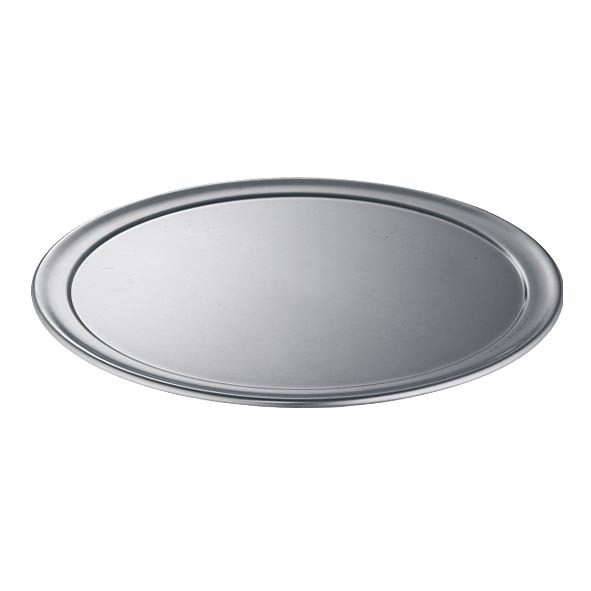
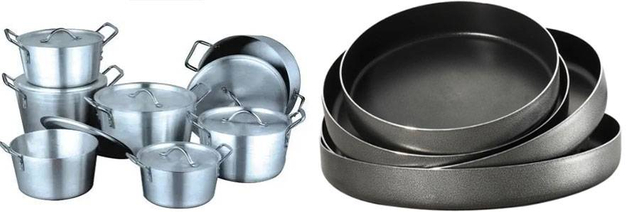
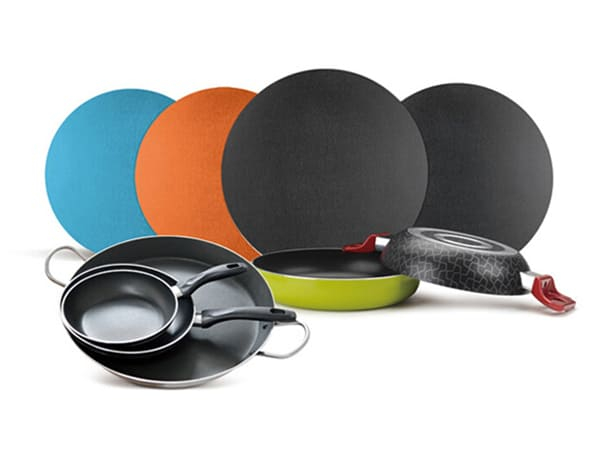
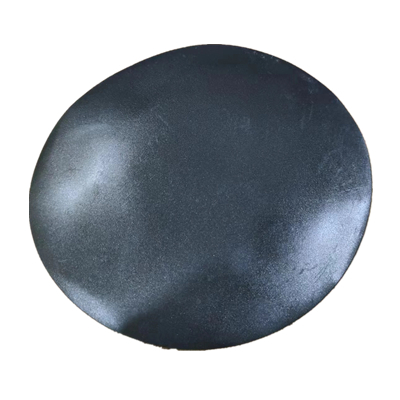
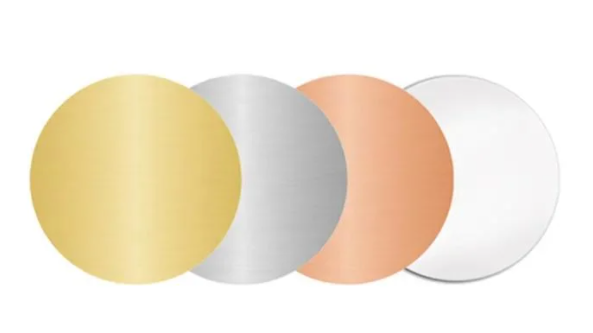
1060-O deep drawing aluminum circle is a fully annealed aluminum blank designed for cookware manufacturing processes that require high formability, including deep drawing, stamping and spinning. Typical finished products include frying pans, saucepans, stock pots, woks, steamers, rice-cooker inner pots and other formed kitchenware.
The O temper provides high ductility and lower forming resistance than harder tempers, helping the aluminum flow through the die during deep drawing. For cookware production, DC-processed material is available to support stable forming, controlled surface quality and subsequent finishing processes.
Dingang supplies 1060 aluminum circles in customized thicknesses and diameters with mill-finish surfaces. Alloy, thickness, blank diameter, tolerance, drawing depth and surface requirements can be confirmed according to the customer's cookware design and forming equipment.
Request 1060-O Aluminum Circle Price
| 1060-O Deep Drawing Aluminum Circle for Kitchenware | |
| Primary Alloy | AA1060 |
| Primary Temper | O temper / fully annealed |
| Available Alloy Range | 1050, 1060, 1100 |
| Material Thickness | 0.30–2.50 mm according to the listed product range; blanking method and diameter for thicknesses above 1.20 mm should be confirmed before ordering |
| Diameter | Custom sizes according to cookware design; listed conventional range includes approximately 100–800 mm |
| Material Process | DC material recommended for cookware deep drawing and spinning; CC material is available for other aluminum-circle applications |
| Surface | Mill finish |
| Material Standard Reference | ASTM B209 and EN 573 series as applicable to the agreed raw material specification; final standard should be stated in the purchase order |
| MOQ per Size | 1,000 kg per size |
| Payment Terms | T/T or L/C |
| Delivery Time | Within approximately 25 days after receipt of the agreed deposit or L/C, subject to specification and order quantity |
| Surface Quality | Material should be free from unacceptable roll marks, edge damage, oil stains, white corrosion marks, dents, scratches and other defects affecting forming or finishing |
| Listed Production Equipment | 6 hot tandem rolling lines and 5 cold mill production lines |
| Cookware Applications | Frying pans, saucepans, stock pots, woks, steamers, rice-cooker inner pots, cookware lids and other deep-drawn or spun kitchenware |
| Packing | Standard export wooden pallets; listed standard packing is approximately 1 metric ton per pallet, with pallet weight adjustable according to customer requirements |
| Container Loading Reference | Listed reference loading is up to approximately 25 metric tons in one 20-foot container, subject to actual packing and shipping limits |

O temper means the aluminum has been annealed to a soft condition. Compared with harder H tempers, the material provides greater ductility and lower resistance to deformation, making it suitable for cookware that requires substantial drawing depth.
Many pots and pans cannot be formed in a single press operation. A soft aluminum blank can be progressively drawn through several forming stages, provided that the blank diameter, lubrication, die geometry, drawing ratio and material properties are properly controlled.
1060-O aluminum circles can also be used for compatible manual or CNC spinning processes to manufacture round cookware bodies, lids and other rotationally symmetrical kitchenware components.
The high aluminum content of AA1060 provides good thermal conductivity, helping cookware manufacturers produce lightweight pan and pot bodies that transfer heat efficiently.
After forming, suitable aluminum cookware may undergo polishing, anodizing, surface preparation or application-specific coating processes. Surface cleanliness and defect control of the original circle are therefore important for the appearance of the finished product.
The listed material route identifies DC material for cookware requiring deep drawing and spinning. For demanding forming operations, cookware manufacturers should evaluate the complete material condition rather than alloy number alone.
Important factors include annealing consistency, elongation, hardness, thickness variation, grain behavior, surface condition and blank dimensional accuracy. These factors directly affect material flow during drawing and the consistency of finished wall thickness.
For a new cookware design, a forming trial using the intended alloy, temper, thickness and diameter is recommended before full-volume production.
Discuss Your Deep Drawing Requirements
The following composition table covers aluminum alloys included in the available circle range. For a 1060-O cookware order, final chemistry should be confirmed by the agreed raw-material specification and material certificate.
| Alloy | Si | Fe | Cu | Mn | Mg | Cr | Zn | Ti | Other | Al | |
| Single | Total | ||||||||||
| 1050 | 0.25 | 0.40 | 0.05 | 0.05 | 0.05 | — | 0.05 | 0.03 | 0.03 | — | ≥99.5 |
| 1060 | 0.25 | 0.35 | 0.05 | 0.03 | 0.03 | — | 0.05 | 0.03 | 0.03 | — | ≥99.6 |
| 3003 | 0.60 | 0.70 | 0.05–0.20 | 1.00–1.50 | — | — | 0.10 | — | 0.05 | 0.15 | Remainder |
| 3105 | 0.60 | 0.70 | 0.30 | 0.30–0.80 | 0.20–0.80 | 0.20 | 0.40 | 0.10 | 0.05 | 0.15 | Remainder |
Stable O temper helps reduce variation in forming load and material flow between blanks and production batches. Uneven hardness can contribute to uneven drawing behavior or premature cracking.
Thickness variation affects wall thinning, finished cookware weight and press behavior. Buyers should specify nominal thickness and required tolerance according to the cookware drawing and forming process.
The blank diameter should be calculated according to the finished cookware geometry, flange allowance, drawing ratio and trimming requirement. Excess material increases scrap, while insufficient blank size can prevent the required finished dimensions from being achieved.
Circle edges should be free from severe burrs, cracks and mechanical damage that could become initiation points for tearing during deep drawing or spinning.
Deep scratches, dents, roll marks, corrosion stains and surface contamination can remain visible after forming or interfere with polishing, anodizing and coating operations. Surface inspection should therefore be completed before pressing.
For demanding deep-drawn cookware, manufacturers should evaluate earing, wall-thickness distribution, wrinkling tendency and cracking behavior using the intended production tooling before committing to large-volume production.
Request Samples for Deep Drawing Test
Frying pans
Saucepans
Stock pots
Woks
Steamers
Rice-cooker inner pots
Cookware lids
Cooking utensils
Other deep-drawn or spun aluminum kitchenware


Aluminum has relatively low density, allowing cookware manufacturers to produce pots and pans that are easier to handle than comparable products made entirely from heavier metals.
Aluminum provides good thermal conductivity, allowing heat to spread efficiently through suitable cookware bodies.
Depending on product design and material condition, aluminum circles can be processed by deep drawing, spinning, stamping, cutting and other suitable metal-forming operations.
Formed aluminum cookware can undergo application-specific surface treatment after forming. Buyers should specify subsequent polishing, anodizing or coating requirements when surface appearance is critical.
Provide the finished pan, pot or kitchenware drawing, including outer diameter, depth, flange dimensions and wall geometry. These dimensions help determine the required starting blank.
Blank diameter should be calculated from the finished product geometry and drawing process. The listed conventional supply range includes diameters from approximately 100 mm to 800 mm, with common sizes such as 300, 400, 500, 600 and 800 mm.
The listed material range is 0.30–2.50 mm. Because the existing production information separately lists punching capability up to 1.20 mm, requirements above 1.20 mm should be confirmed for diameter, blanking process and quantity before ordering.
Deeper cookware requires greater material flow and places higher demands on ductility. Provide the intended drawing depth and number of forming stages when requesting material for demanding applications.
State whether the finished cookware will be polished, anodized, coated or otherwise surface-treated. This helps define acceptable mill-finish surface quality before forming.
If ASTM, EN or a customer-specific material specification is required, include the exact standard and required tolerances in the inquiry so chemistry, mechanical properties and dimensional requirements can be reviewed before production.
The listed production route includes aluminum rolling, slitting, circle blanking and annealing. Cookware-grade material should be inspected for alloy, temper, thickness, diameter, surface condition, edge quality and forming performance before shipment.
For deep-drawing projects, sample evaluation with the customer's actual tooling is useful because successful forming depends on both material condition and the complete pressing process, including die design, lubrication, blank-holder force and drawing ratio.
For a faster and more accurate quotation, please provide:
Required alloy and temper
Circle thickness
Circle diameter
Thickness and diameter tolerances
Finished cookware type
Finished depth and drawing stages
Deep drawing, stamping or spinning process
Surface-finish requirement
Applicable material standard
Required quantity per size
Packing requirements
Destination port or delivery location
For a new cookware project, providing the finished product drawing or an existing approved aluminum-circle specification can help confirm the suitable diameter, thickness and material condition.
Send Your 1060-O Cookware Circle Requirements
It is a circular AA1060 aluminum blank supplied in fully annealed O temper for forming processes that require high ductility, including deep drawing and spinning of cookware.
O temper is fully annealed and provides greater ductility than harder H tempers. This helps the aluminum flow through the die during deep forming and reduces the forming load for suitable cookware designs.
Typical products include frying pans, saucepans, stock pots, woks, steamers, rice-cooker inner pots, cookware lids and other deep-drawn or spun kitchenware.
The listed material thickness range is 0.30–2.50 mm. For thicknesses above 1.20 mm, please confirm the required diameter and blanking method before ordering because production capability depends on the specific size combination.
The listed conventional range includes approximately 100–800 mm, with common diameters such as 300, 400, 500, 600 and 800 mm. Custom dimensions can be discussed according to the cookware drawing.
The listed product information recommends DC material for cookware requiring good deep-drawing and spinning performance. Material selection should ultimately be based on the required forming depth, temper, mechanical properties and actual forming trial.
Yes. The annealed material can be suitable for compatible spinning processes used to produce round pans, pots, lids and other rotationally symmetrical kitchenware.
The listed product surface is mill finish. Surface acceptance should be agreed according to whether the finished cookware will be polished, anodized, coated or otherwise treated after forming.
The circles should be inspected for unacceptable roll marks, edge damage, corrosion stains, dents, scratches, contamination and other defects that could affect forming or the finished cookware surface.
Sample pieces can be discussed for dimensional, surface and forming evaluation before a bulk order. For meaningful deep-drawing trials, the sample should match the intended alloy, temper, thickness and diameter as closely as possible.
The listed minimum order quantity is 1,000 kg per size. Final MOQ should be confirmed according to alloy, thickness, diameter and production requirements.
Please provide alloy, temper, thickness, circle diameter, dimensional tolerances, cookware type, forming depth, production method, surface requirement, quantity and destination. A cookware drawing is recommended for new deep-drawing projects.
Products
Application
Quick links
Contact Us