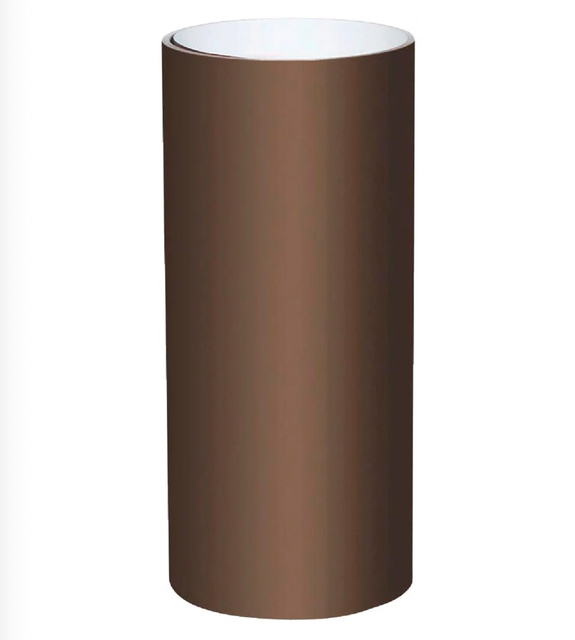
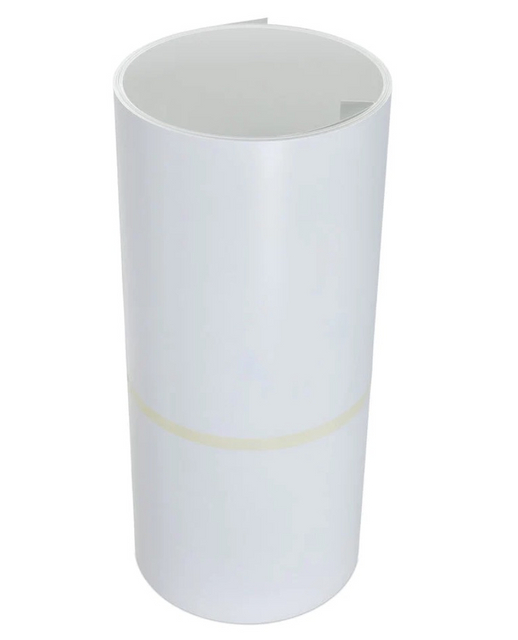
Double-Sided Color Aluminum Trim Coil
You are here: Home » Brushed Surface » Exterior Building Aluminum Products » Aluminum Trim Coil » Double-Sided Color Aluminum Trim Coil

loading

Share to:
facebook sharing button
twitter sharing button
line sharing button
wechat sharing button
linkedin sharing button
pinterest sharing button
whatsapp sharing button
sharethis sharing button

Double-Sided Color Aluminum Trim Coil

Double-sided color aluminum trim coil provides prefinished aluminum stock for window wraps, door casing, fascia and flashing, with custom front/back colors, widths, gauges and smooth or textured finishes.
  • DATC20220125

  • Dingang

  • 20220125

Availability:
Quantity:

Double-Sided Color Aluminum Trim Coil

Double-sided color aluminum trim coil is prefinished aluminum roll stock designed for field fabrication of window and door wraps, fascia covers, rake trim, frieze-board covers, flashing, corner details, beam wraps and other residential or commercial exterior trim components.

Unlike conventional one-sided trim coil, the double-sided construction can provide a primary architectural color on the visible face and white, matching color or a second coordinated color on the reverse. This provides additional flexibility for hems, returns, reversible fabrication and contractor inventory management.

Aluminum trim coil can be cut and brake-formed on site into project-specific profiles. The finished performance depends on aluminum alloy and temper, substrate gauge, coating flexibility, bend radius, installation detailing, fasteners and the actual exterior exposure.

Smooth, matte, low-gloss and selected textured surfaces can be developed according to project requirements. Where scratch, mar, UV or long-term color-retention performance is important, these properties should be defined through the actual coating specification rather than inferred from the finish name alone.

                   Request Trim Coil Samples and Pricing            

Aluminum Trim Coil Specifications

Thickness, width, roll length, alloy, temper, coating, front color and reverse color can be customized according to distributor, contractor and OEM requirements. A common North American market reference is approximately .019" × 24" × 50', although other gauges and roll formats are also used.

double sided color aluminum trim coil specifications

Parameter Available / Typical Direction Purchasing Guidance
Product Double-Sided Color Aluminum Trim Coil For field-formed exterior and interior trim
Typical Alloy Direction AA3105 / AA3003 / Project-Specific Select according to bendability, strength and coating requirements
Temper Forming-Grade Temper / Project-Specific Must be suitable for brake forming without excessive cracking or spring-back
Common Market Gauge Approx. .016"–.019" for Common Residential Trim Products Final thickness should be confirmed from customer specification
Common Market Width 24" / 609.6 mm Reference Size Custom widths can be selected for OEM and distribution programs
Common Roll Length 50 ft / 15.24 m Reference Roll Longer roll formats can be discussed for industrial converting
Front Side Architectural Color / Custom Color Visible exterior finish
Reverse Side White / Matching Color / Contrasting Color Useful where hems, returns or reverse surfaces remain visible
Surface Finish Smooth / Matte / Low Gloss / Textured Option Finish should match siding, windows, fascia or customer sample
Coating Direction Polyester / Acrylic / PVC-Type Textured / Custom Select according to weathering, forming and surface requirements
Gloss Low Gloss / Medium Gloss / Custom Use approved sample where matching adjoining products is important
Color White / Black / Brown / Bronze / Grey / Almond / Custom Custom matching subject to coating system and MOQ
Fabrication Brake Forming / Cutting / Slitting / Folding / Wrapping Use suitable sheet-metal brake and protect finished surface during forming
Protective Film Optional Useful for reducing scratches during fabrication and installation
Supply Form Finished Roll / Slit Coil / OEM Coil Configure according to distributor or fabricator requirements

What Does Double-Sided Color Mean?

Double-sided color trim coil is coated on both faces rather than leaving the reverse side as bare mill-finish aluminum.

A common configuration uses the selected exterior color on the front and white on the reverse. Other programs can use the same color on both sides or two different coordinated colors.

Color Over White

A color-over-white construction allows one coil to provide the selected architectural finish on the exposed side while keeping returns, hems or interior-facing areas clean and neutral.

Two Coordinated Colors

Two different colors can provide greater flexibility for distributors and contractors who need multiple exterior trim combinations from a controlled inventory program.

Same Color on Both Sides

Same-color double-sided coating can be specified for profiles where both faces may remain visible after forming.

Why Double-Sided Trim Coil Is Useful for Fabricators

More Flexible Brake Forming

Field-fabricated trim often includes hems, returns, folded corners and overlapping sections. A coated reverse side provides a finished appearance where those surfaces remain visible.

Reduced Inventory Complexity

Selected front/back color combinations can allow distributors to serve multiple siding, window and roofing color programs with fewer dedicated coil products.

Better Surface Protection

Coating the reverse side can provide additional protection from handling and normal atmospheric exposure compared with leaving the reverse surface uncoated.

Common Aluminum Trim Coil Dimensions

Residential trim-coil dimensions vary by manufacturer and market. One of the most common North American formats is approximately .019" thick × 24" wide × 50 ft long.

Reference Format Metric Approximation Typical Direction
.016" Thickness Approx. 0.41 mm Light trim and compatible forming applications
.019" Thickness Approx. 0.48 mm Common residential exterior trim reference
24" Width 609.6 mm Common field-fabrication width
50 ft Length 15.24 m Common contractor roll length

These values are market references rather than universal product requirements. Custom OEM coils can use different thicknesses, widths and roll lengths according to fabrication equipment and regional market practice.

Alloy and Temper Selection

Trim coil must be strong enough to retain the fabricated profile while remaining sufficiently ductile for field bending.

AA3105

AA3105 is widely used for painted building products and trim because it combines useful strength, corrosion resistance and forming capability.

AA3003

AA3003 can also be considered for compatible trim, flashing and architectural-fabrication applications where moderate strength and good workability are required.

Temper Matters

Temper should be selected according to thickness, brake radius and profile design. Material that is too hard can be more difficult to hem or bend sharply, while excessively soft material can provide less profile rigidity.

Coating Options

Coating Direction Typical Characteristic Selection Guidance
Polyester Smooth, economical prefinished exterior surface Common direction for residential trim products
Acrylic / Two-Coat Finish Primer plus decorative weather-resistant topcoat Suitable where forming and stain/weather resistance are specified
PVC / Textured Polymer Thicker textured or striated surface Useful where woodgrain appearance or low-mar performance is required
Custom Architectural Coating Project-specific gloss, color and durability Define exact coating requirements before production

Bend Performance Is Critical

Trim coil is commonly fabricated using a sheet-metal brake, so both the aluminum substrate and coating must tolerate bending without unacceptable cracking, flaking or delamination.

Tight Hems

Window capping and fascia work often include tight hems and returns. Material should be trialed using the actual gauge, temper and bending equipment where very small radii are required.

Coating Flexibility

A durable trim-coil finish should remain attached to the substrate during normal forming. Coating flexibility should be verified independently from surface hardness.

Spring-Back

Harder aluminum tempers can exhibit greater forming resistance or spring-back. Fabricators should adjust brake setup and bend sequence according to the material condition.

Window and Door Capping

Aluminum trim coil can be cut and brake-formed into custom profiles that cover wood or other compatible substrates around window and door openings.

Properly detailed capping creates a finished appearance and can protect underlying trim from direct weather exposure.

Water-Shedding Detail

Trim coil itself is not a substitute for the complete flashing or water-resistive barrier system. Laps, end dams, sill flashing and interfaces with siding or windows must be designed to direct water outward.

Fastening

Fasteners should be compatible with aluminum and installed so that the formed trim can accommodate normal thermal movement without unnecessary buckling.

Fascia and Rake Trim

Trim coil can be field formed as a fascia cover or rake-board cover where the underlying substrate and roof-edge assembly are suitable.

The aluminum cover improves finished appearance and reduces direct weather exposure of the substrate, but the underlying fascia structure remains responsible for structural support.

Fascia Cover vs Structural Fascia

Thin trim coil should normally be treated as a covering material rather than as a structural fascia board unless the complete profile has been specifically engineered for that purpose.

Soffit Applications

Trim coil can be used for compatible soffit trim, perimeter details, fascia transitions and custom formed pieces around soffit systems.

Flat trim coil should not automatically be described as a ventilated soffit panel. Roof ventilation requires a specifically designed vented soffit or another engineered airflow path.

Custom Flashing

Trim coil can be fabricated into compatible custom flashing and weathering details around windows, doors, wall transitions and selected roof-edge conditions.

Flashing performance depends on geometry, overlaps, slopes, sealants, fasteners and integration with the water-resistive barrier. Aluminum trim coil alone does not guarantee a watertight building detail.

Roof Penetrations

Chimneys, skylights and roof penetrations should use flashing details appropriate to the roofing system and applicable building requirements rather than relying on generic trim-coil shapes.

Trim Coil Is Not Gutter Coil

Aluminum trim coil is flat prefinished stock intended primarily for trim, capping, wrapping and compatible flashing fabrication.

It should not automatically be substituted for gutter coil used in roll-forming structural rainwater channels. Gutter products can require different gauge, alloy, temper, width and forming characteristics.

Exterior Weathering Performance

Aluminum itself provides good atmospheric corrosion resistance, while the factory-applied finish controls most of the visible color, gloss and weathering performance.

UV Exposure

Color stability under sunlight depends on resin chemistry, pigment, coating thickness and exposure. No universal fade-free service period should be assigned without the specific coating warranty and test data.

Chalking

Long-term UV and weather exposure can cause changes in gloss and surface chalking. Exterior coating performance should therefore be selected according to the target climate and service life.

Temperature Cycling

Exterior trim expands and contracts as temperatures change. Long pieces should be fabricated and fastened so that normal movement does not create excessive oil-canning, buckling or fastener distortion.

Coastal and High-Humidity Applications

Aluminum trim coil can be used in many humid and coastal environments, but aluminum is not completely immune to corrosion.

Salt accumulation, cut edges, trapped moisture, incompatible fasteners and contact with dissimilar metals can contribute to localized corrosion.

Fastener Compatibility

Fastener selection should consider galvanic compatibility with aluminum and the expected moisture environment.

Copper Contact

Direct wet contact between aluminum and copper should generally be avoided because galvanic conditions can accelerate aluminum corrosion.

Coastal Cleaning

Periodic removal of salt deposits can help maintain coated-aluminum appearance in severe coastal locations.

Scratch and Mar Resistance

Trim coil is handled, measured, cut and bent in the field, so resistance to marking during fabrication is an important coating property.

Low-Mar Finish

Textured or purpose-designed low-mar surfaces can make minor handling marks less visible and can provide additional protection during contractor fabrication.

Protective Masking

Protective film can be specified where surface appearance is particularly important. Film adhesion should be suitable for brake forming and later clean removal.

Scratch-Proof Claims

No normal architectural trim coating should be described as completely scratch-proof. Where mar resistance is critical, buyer and supplier should agree a test method and acceptable appearance.

Color Matching for Siding, Windows and Roofing

Trim coil is frequently selected to coordinate with siding, fascia, soffit, gutters, windows, garage doors and roofing accessories.

Physical Color Sample

A physical approved sample is preferable for exact matching because color codes do not fully represent gloss, texture and substrate effects.

Batch Consistency

Large distributor or project orders can benefit from controlled batch production to minimize visible shade and gloss variation.

Front and Back Color Schedule

The purchase order should identify both faces clearly, for example “Black / White,” “Pearl Grey / White” or “Same Color Both Sides,” to avoid ambiguity during production.

Applications

Application Typical Fabrication Important Consideration
Window Wrap Brake-formed jamb, head and sill covers Integrate with window flashing and water-management details
Door Casing Custom folded trim profiles Allow for sealants, fasteners and thermal movement
Fascia Cover Bent cover over compatible fascia substrate Trim coil is generally a cover, not the primary structural fascia
Rake / Frieze Trim Field-bent exterior finishing profiles Maintain water-shedding laps and compatible fastening
Custom Flashing Drip, cap and transition details Profile design determines actual water-management performance
Beam / Post Wrap Decorative folded aluminum cover Underlying member remains responsible for structural performance
Soffit Trim Perimeter and transition components Ventilation requires a suitable vented soffit system where required
Decorative Interior Trim Moldings, edge covers and custom profiles Interior coating requirements can differ from exterior exposure

Recommended Fabrication Practice

Measure the Developed Width

Calculate the complete flat width of the trim profile before cutting, including hems, returns, overlaps and fastening allowances.

Confirm the Visible Face

Double-sided coils can have different front and reverse colors. Confirm the required visible face and bend direction before fabrication.

Plan the Bend Sequence

Complex trim pieces should be bent in a sequence that prevents completed hems or returns from interfering with later brake operations.

Make a Test Piece

A short trial piece can verify dimensions, bend allowance, appearance and coating flexibility before cutting long production sections.

Protect the Painted Surface

Brake jaws, work surfaces and cutting tools should be kept clean to reduce scratching and embedded-particle damage.

Recommended Quality Control

Inspection Item Why It Matters Control Direction
Alloy and Temper Controls forming and profile rigidity Verify against order specification
Base-Metal Thickness Influences forming and stiffness Specify nominal gauge and tolerance
Width Controls fabrication yield Agree slit-width tolerance
Roll Length Supports inventory and project planning Define nominal roll length
Front Color Visible architectural appearance Approve master sample or color reference
Back Color Important for double-sided construction State clearly on purchase order
Color Difference Supports matching across project components Use agreed physical and instrumental tolerance where required
Gloss Changes perceived color and appearance Define target and measurement angle where critical
Coating Thickness Affects durability and forming Define front and reverse coating separately
Coating Adhesion Reduces flaking during forming Use agreed adhesion test
T-Bend / Bend Test Evaluates coating flexibility Match actual brake-forming severity
Scratch / Mar Resistance Important during field handling Define test where contractually important
Flatness Supports straight brake-formed profiles Inspect edge wave, buckle and coil set
Surface Appearance Trim is highly visible after installation Inspect scratches, stains, coating defects and roll marks
Coil Winding Supports easy handling and dispensing Check edge alignment and stable winding

Information Required for a Quotation

For accurate product selection and pricing, please provide:

  • Final application: window wrap, door trim, fascia, flashing or other fabrication

  • Required aluminum alloy if specified

  • Required temper

  • Required thickness or gauge

  • Required width

  • Required roll length

  • Front-side color

  • Reverse-side color

  • Same-color or two-color double-sided construction

  • Smooth, matte, low-gloss, textured or woodgrain finish

  • Polyester, acrylic, PVC-type or other coating requirement

  • Required gloss

  • Color reference or physical sample

  • Required bend radius or forming severity

  • Scratch / mar resistance requirement

  • Protective-film requirement

  • Indoor, exterior, coastal or high-humidity exposure

  • Packaging requirement

  • Order quantity

  • Destination port or delivery location

                   Get a Custom Trim Coil Proposal            

Frequently Asked Questions

What is double-sided color aluminum trim coil?

It is prefinished aluminum flat stock coated on both faces and supplied in roll form for field fabrication of window, door, fascia, flashing and other building trim.

Is “double silk color aluminum trim coil” the same product?

The intended product is better described in international building-material terminology as double-sided color aluminum trim coil or two-side coated aluminum trim coil.

Can the front and back have different colors?

Yes. A primary exterior color can be combined with white or another coordinated reverse color according to the order specification.

Can both sides have the same color?

Yes. Same-color double-sided coating can be discussed where both faces remain visible after fabrication.

What is a common aluminum trim coil size?

A common North American residential trim-coil reference is approximately .019" thick, 24" wide and 50 ft long. Other thicknesses and dimensions are also used.

Is .019 inch approximately 0.48mm?

Yes. .019 inch converts to approximately 0.483mm.

What alloy is commonly used for aluminum trim coil?

AA3105 is widely used for prefinished building trim because it provides a practical combination of strength, corrosion resistance and formability. Other compatible alloys can also be supplied according to project requirements.

Can aluminum trim coil be bent with a sheet-metal brake?

Yes. Brake forming is one of the primary fabrication methods. Alloy, temper, thickness and coating should be selected for the required bend radius.

Will the coating crack when the coil is bent?

A properly selected trim-coil coating should tolerate normal forming, but extremely tight bends can stress both aluminum and paint. Representative bend testing is recommended for demanding profiles.

Can aluminum trim coil wrap windows?

Yes. Window and door capping are among the most common applications for aluminum trim coil.

Does window capping make a window waterproof?

Not by itself. Watertightness depends on the complete flashing, sill, weather barrier, sealant and installation detail.

Can trim coil be used for fascia?

Yes. It is commonly field formed as a fascia cover over a compatible substrate. The trim coil itself normally should not be treated as the primary structural fascia member.

Can trim coil be used for soffits?

It can be used for soffit trim and compatible custom details, but flat trim coil is not automatically a ventilated soffit panel.

Can aluminum trim coil be used as roof flashing?

It can be formed into compatible flashing profiles, but the complete detail must be designed for the roofing system, exposure and water-management requirements.

Is trim coil the same as gutter coil?

No. Trim coil is primarily flat stock for capping and flashing. Gutter coil can use different thickness, alloy, temper, width and roll-forming requirements.

Is aluminum trim coil suitable for outdoor use?

Yes, when the aluminum substrate, coating and installation details are suitable for the expected climate and exposure.

Does aluminum trim coil rust?

Aluminum does not form iron rust, but it can still corrode under aggressive chloride, chemical or galvanic conditions.

Is aluminum trim coil suitable for coastal buildings?

It can be used with an appropriate coating and installation detail, but salt deposits, cut edges, moisture and dissimilar-metal contact should be considered.

Can PVC-coated trim coil be supplied?

Textured or PVC-type surface options can be discussed where a thicker striated, woodgrain or low-mar finish is required.

Is smooth trim coil better than textured trim coil?

Neither is universally better. Smooth surfaces provide a clean conventional appearance, while textured finishes can provide a different visual effect and may make minor handling marks less noticeable.

Can custom colors be matched to siding or windows?

Yes. Color matching can be discussed using RAL, Pantone or preferably an approved physical sample, subject to coating system and minimum production quantity.

Can protective film be added?

Yes. Protective masking can be specified where additional protection from fabrication scratches is required.

How should trim coil be stored?

Store rolls in a dry, clean environment and protect coil edges, painted surfaces and packaging from water, abrasive debris and mechanical damage.

What information is needed for an accurate quotation?

Please provide thickness, width, roll length, alloy or temper if specified, front and reverse colors, surface finish, coating type, bend requirements, packaging, quantity and destination.

Should samples be approved before a large order?

Yes. Sample approval is recommended where color matching, gloss, texture, reverse-side color or tight brake forming is important.

                   Contact Dingang for Samples and Pricing            

Previous: 
Next: 

Product Category

Consult Us To Get Your Customized Aluminum Solution

We help you specify and source the coated aluminum you need, on time and within budget.

Products

Application

Quick links

Follow Us

Contact Us

    joey@cnchangsong.com
    +86-18602595888
   Building 2, Zhixing Business Plaza, No.25 North Street, Zhonglou District, Changzhou City, Jiangsu Province, China
    Chaoyang road, Konggang economic development area, Lianshui, Huai'an city, Jiangsu,China
© COPYRIGHT 2026 CHANGZHOU DINGANG METAL MATERIAL CO., LTD. ALL RIGHTS RESERVED.