Coated aluminum for architectural panel systems

Coated Aluminum Solutions for Architectural Panel Systems

Consistent Surface, Controlled Flatness and Reliable Panel Fabrication

ACP/ACM Solid Panel Honeycomb Sandwich Panel Cleanroom Ceiling

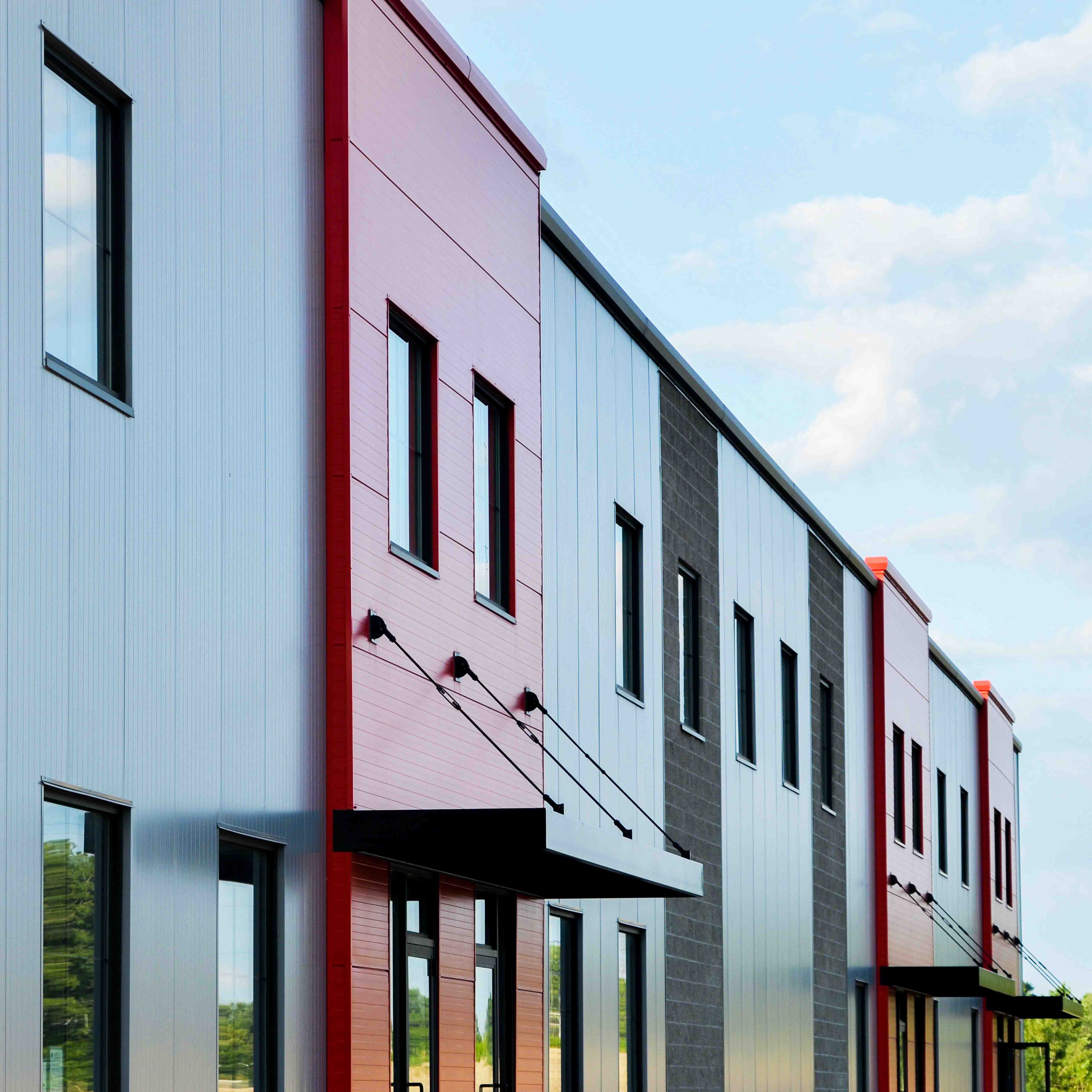
Architectural panels place demanding requirements on aluminum surfaces. A small difference in gloss, flatness or color may become highly visible after large panels are installed side by side. In composite and sandwich-panel production, poor coating adhesion, inconsistent thickness or unstable surface tension can also affect lamination and long-term panel performance.

Ding'ang supplies prepainted aluminum coil and sheet for aluminum composite panels, solid aluminum panels, honeycomb panels, insulated sandwich panels, cleanroom systems, ceilings and decorative interiors.

Material can be configured according to the panel structure, bonding process, exterior exposure, forming method and target market.

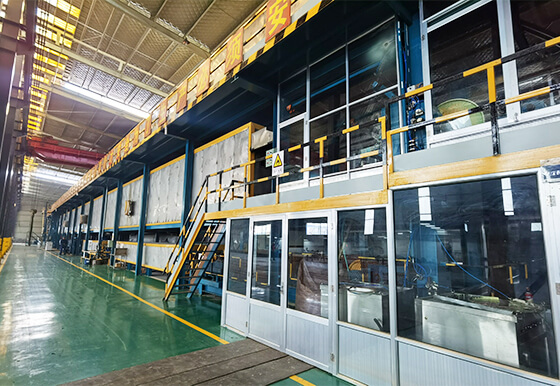
Pre-painted aluminum coating production line

Aluminum Designed as Part of the Panel System

The aluminum skin cannot be specified in isolation. Its thickness, temper, surface treatment and coating must work with the core material, adhesive, lamination temperature and final fabrication process.

Ding'ang helps panel manufacturers address:

  • Coil-wide color and gloss consistency
  • Flatness across visible panel surfaces
  • Compatibility with continuous lamination
  • Adhesion between aluminum skin and panel core
  • Bending and routing performance after lamination
  • Protective-film stability during fabrication
  • Exterior weather resistance
  • Extra-wide panel production with fewer joints
  • Repeat color control for phased construction projects

Recommended Panel Materials

Aluminum coil for ACP and ACM panels

Aluminum Coil for ACP & ACM Panels

Prepainted aluminum skin for polyethylene-core, mineral-core and other aluminum composite panel structures.

The aluminum must remain flat during continuous lamination and provide a consistent decorative surface after panel fabrication. The reverse side should be suitable for bonding to the selected adhesive or core system.

Typical considerations

  • Thin-gauge thickness consistency
  • Coil flatness
  • Front-coating appearance
  • Reverse-side treatment
  • Lamination temperature
  • Adhesive compatibility
  • Protective-film adhesion
  • Panel routing and folding
Coated aluminum for solid architectural panels

Aluminum for Solid Panels

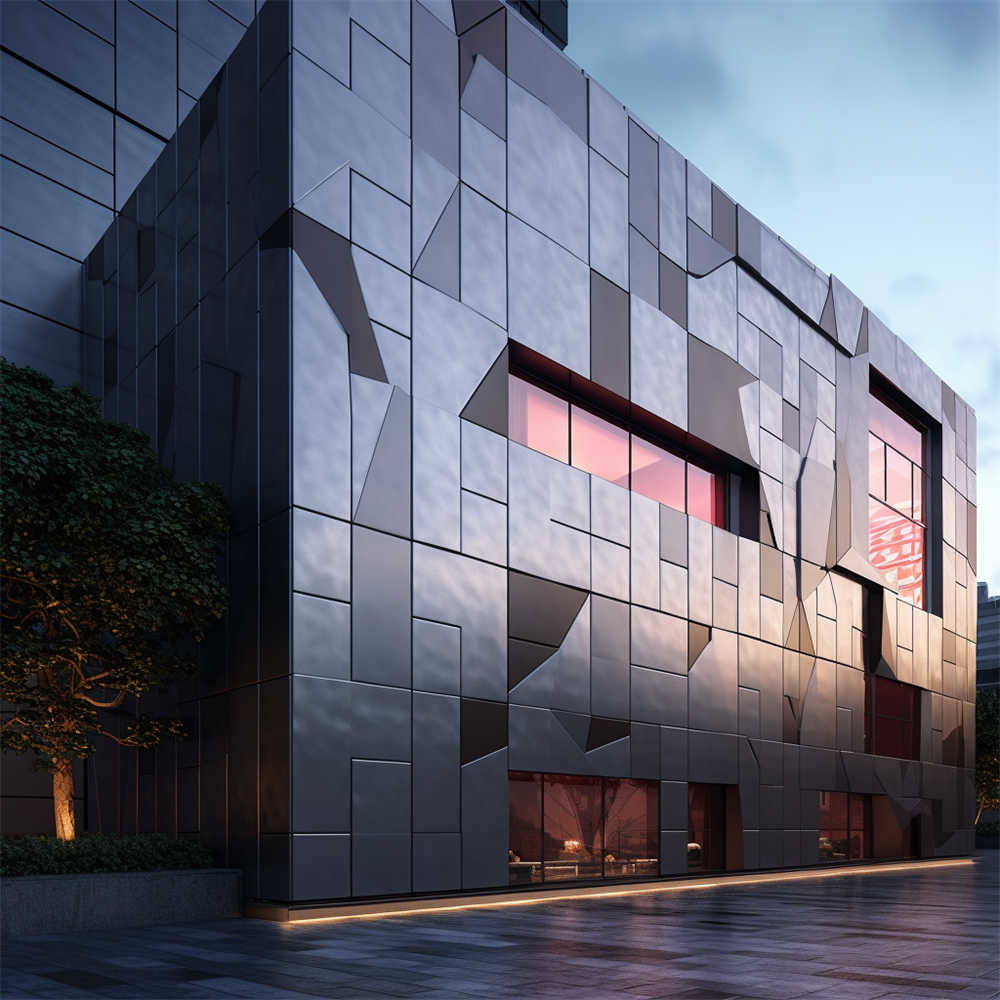
Coated aluminum coil or sheet for fabricated solid panels used in facades, canopies, ceilings, column covers and architectural features.

Solid-panel applications normally use thicker aluminum than ACP skins and may require bending, punching, welding, routing and stiffener bonding.

The substrate temper must balance rigidity with fabrication performance.

PVDF coated aluminum for honeycomb panel skins

Honeycomb Panel Aluminum Skin

Aluminum coil and sheet for exterior and interior skins of honeycomb panels used in facades, transport interiors, elevators, ceilings and lightweight structures.

Honeycomb skins require stable flatness and bonding performance. Extra-wide sheets can reduce panel joints and simplify large-format panel production.

PE coated aluminum for sandwich and insulated panels

Sandwich & Insulated Panel Aluminum

Prepainted aluminum for PU, PIR, mineral-wool, EPS and other insulated panel systems.

Applications include cold storage, food-processing buildings, industrial enclosures, modular buildings and temperature-controlled environments.

Coating selection should reflect whether the aluminum is used on the exterior, interior or both sides of the panel.

Smooth coated aluminum for cleanroom panels

Cleanroom Panel Aluminum

Smooth, easy-to-clean coated aluminum for pharmaceutical, electronic, food-processing, laboratory and controlled-environment panel systems.

Depending on the application, the panel manufacturer may require low-gloss, anti-static, stain-resistant or application-specific functional surfaces. Any antibacterial or hygienic performance claim must be supported by the agreed test method and report.

Decorative aluminum for ceilings and interior panels

Ceiling & Interior Decorative Aluminum

Coated, brushed, mirror, embossed or patterned aluminum for ceilings, wall panels, partitions, elevator interiors and decorative systems.

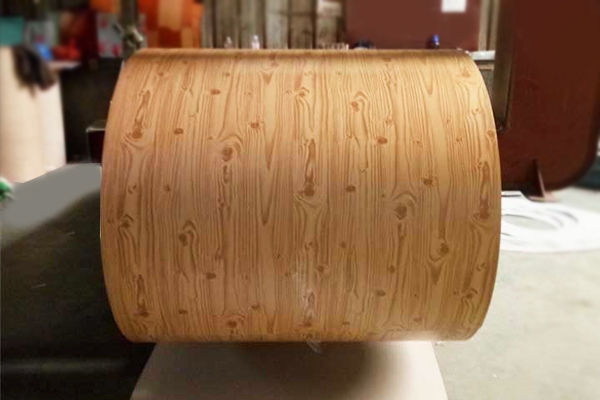
Interior products can use PE, high-gloss, matte, metallic, wood-grain or stone-grain effects according to design requirements.

Typical Material Configurations

Panel application Common alloy options Typical thickness Coating and surface
ACP/ACM aluminum skin AA1100, AA3003 Approximately 0.12–0.50 mm PE for interior/general use; PVDF/FEVE for exterior
Solid aluminum panel AA3003, AA3005, AA5005, AA5052 Approximately 1.50–3.00 mm PVDF/FEVE exterior; PE or decorative finishes interior
Honeycomb panel skin AA3003, AA5005, AA5052 Approximately 0.50–1.50 mm Coated, anodized, brushed or mill finish
Sandwich panel skin AA3003, AA3105, AA5052 Approximately 0.40–1.20 mm PE, PVDF, functional or double-side coating
Cleanroom panel AA3003, AA3105, AA5052 Approximately 0.40–1.20 mm Smooth low-gloss, easy-clean or approved functional coating
Ceiling and interior panel AA1100, AA3003, AA3005 Approximately 0.30–1.20 mm PE, metallic, wood grain, stone grain, mirror or embossed

Final thickness and alloy must be confirmed according to panel size, wind load, fabrication method, core structure and applicable standard.

General coated-aluminum options

  • Widths from narrow slit material to extra-wide coated coil and sheet
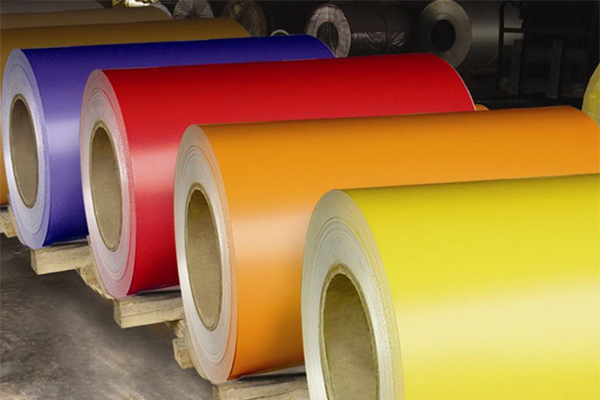
  • RAL, Pantone and customer-sample color matching
  • High gloss, medium gloss, low gloss and matte
  • PE, SMP, PVDF and FEVE coating systems
  • Top coat with back primer
  • Same or different coatings on two sides
  • Smooth, embossed, brushed and patterned surfaces
  • Optional protective film
  • Coil, cut-to-length sheet or project-ready panel skin

ACP/ACM Production

ACP manufacturers need stable thickness, flatness and surface appearance at continuous production speed.

The RFQ should identify:

  • Panel core type
  • Finished panel thickness
  • Aluminum skin thickness
  • Lamination temperature
  • Adhesive system
  • Exterior or interior use
  • Required coating system
  • Routing and folding requirements
  • Protective-film specification

For fire-rated ACP systems, the fire classification applies to the tested complete panel assembly. Aluminum skin should be described as material intended for the specified panel system, not as independently carrying the complete panel fire rating unless supported by a valid test.

Discuss ACP/ACM Production

Solid Panel Fabrication

Solid panels may be cut, punched, bent, routed, welded and reinforced. The aluminum temper should provide sufficient rigidity without excessive cracking at bends.

Critical controls include:

  • Sheet flatness
  • Diagonal and dimensional tolerance
  • Coating flexibility
  • Film adhesion
  • Color matching between batches
  • Surface protection during routing and bending
Discuss Solid Panel Fabrication

Honeycomb Panel Lamination

Honeycomb panel production depends on consistent skin flatness and bonding.

The reverse surface condition must be agreed with the adhesive supplier and panel manufacturer. Oil, contamination or unsuitable back coating can reduce bonding reliability.

Discuss Honeycomb Panel Lamination

Cleanroom & Cold-Storage Panels

Panels for controlled environments are expected to provide a smooth, cleanable surface and reliable joints.

The required function should be specified with a measurable test. Terms such as “anti-static,” “antibacterial” or “chemical resistant” should not be used without defining the resistance value, test organism, chemical exposure or acceptance standard.

Discuss Cleanroom Cold-Storage Panels

Large-Format Exterior Panels

Extra-wide coated aluminum helps reduce seams and improve visual continuity on large facade and vehicle panels.

Wide material requires careful control of:

  • Cross-width color consistency
  • Cross-width coating thickness
  • Flatness
  • Coil handling
  • Protective film
  • Maximum coil or sheet weight
Discuss Large-Format Exterior Panels

Quality Requirements for Panel Aluminum

Depending on the panel type, customers should define:

  • Alloy and temper certificate
  • Thickness tolerance
  • Width tolerance
  • Flatness
  • Coating thickness
  • Color difference
  • Gloss difference
  • Surface defects
  • T-bend
  • Coating adhesion
  • Reverse impact
  • Pencil hardness
  • Boiling-water or humidity resistance
  • Salt-spray resistance
  • Accelerated weathering
  • Reverse-side bonding condition
  • Protective-film peel performance

Ding'ang can prepare color samples and application-specific material samples for approval before mass production.

Why Ding'ang for Architectural Panel Aluminum?

01

Extra-Wide Coating Capability

Wide coated coil and sheet can support large-format panels and reduce unnecessary seams.

02

Multiple Surface Systems

Customers can combine smooth solid colors, metallic finishes, matte surfaces, embossed patterns, wood grain, stone grain, brushed and mirror effects.

03

Custom Front and Reverse Surfaces

The visible side and bonding side can be configured according to panel performance and lamination requirements.

04

Converting Support

Coating can be combined with protective film, slitting, embossing and cut-to-length processing.

05

Project Color Management

Color samples and approved standards can be used to manage repeat production for phased projects.

Panel Material Development Process

  1. 01

    Define the Panel Structure

    — Confirm skin, core, adhesive, finished panel size and application.

  2. 02

    Select the Aluminum

    — Confirm alloy, temper, thickness, width and supply form.

  3. 03

    Configure the Surface

    — Select coating, color, gloss, back treatment and protective film.

  4. 04

    Approve the Sample

    — Evaluate appearance, bending, bonding and film removal.

  5. 05

    Produce & Convert

    — Coat, slit, laminate film and cut to the agreed format.

  6. 06

    Inspect & Deliver

    — Verify dimensions, flatness, color, surface and packing.

Frequently Asked Questions

What thickness of aluminum is used for ACP panels?

ACP skin thickness varies by panel grade, market and application. Common aluminum-skin thicknesses are approximately 0.12–0.50 mm. The panel manufacturer must confirm the required actual aluminum thickness rather than relying only on the finished panel description.

Which coating is used for exterior ACP?

PVDF or FEVE is commonly selected for demanding exterior applications. PE is more common for interior or general-purpose panels. The final choice depends on climate, warranty target and project standard.

Can Ding'ang supply extra-wide panel material?

Yes. Extra-wide coated coil and sheet can be evaluated according to thickness, alloy, line capability, coil weight and final sheet-handling requirements.

Can you apply a bonding primer to the reverse side?

Reverse-side treatment can be customized, but compatibility with the customer’s adhesive and lamination process must be confirmed by the panel manufacturer.

Can the same material be used for ACP and honeycomb panels?

Some alloys and coatings may overlap, but thickness, temper, flatness and reverse-side requirements are usually different. Each panel structure should have its own approved specification.

Does coated aluminum itself have an A2 fire rating?

The fire classification generally applies to the tested complete panel or building assembly. Do not infer the classification of a complete system from the aluminum skin alone.

Can you provide protective film?

Yes. Film type, adhesion and removal period should be selected according to coating gloss, fabrication process, storage and installation conditions.

Develop a More Reliable Architectural Panel

Send us your panel structure, aluminum-skin specification, coating requirement and fabrication process.

Ding'ang will help configure a coated aluminum material for stable lamination, controlled appearance and reliable downstream fabrication.

Consult Us To Get Your Customized Aluminum Solution

We help you avoid the pitfalls to delivery the quality and value your aluminum  need, on-time and on-budget.

Products

Application

Quick links

Follow Us

Contact Us

    joey@cnchangsong.com
    +86-18602595888
   Building 2, Zhixing Business Plaza, No.25 North Street, Zhonglou District, Changzhou City, Jiangsu Province, China
    Chaoyang road, Konggang economic development area, Lianshui, Huai'an city, Jiangsu,China
© COPYRIGHT 2026 CHANGZHOU DINGANG METAL MATERIAL CO., LTD. ALL RIGHTS RESERVED.