The Benefits of Color-Coated Aluminum Panels for Modern Building Exteriors
You are here: Home » Blog » The Benefits of Color-Coated Aluminum Panels for Modern Building Exteriors
The Benefits of Color-Coated Aluminum Panels for Modern Building Exteriors
Views: 0 Author: Site Editor Publish Time: 2026-11-02 Origin: Site
The Benefits of Color-Coated Aluminum Panels for Modern Building Exteriors
1. Introduction: The Significance of Exterior Wall Material Selection
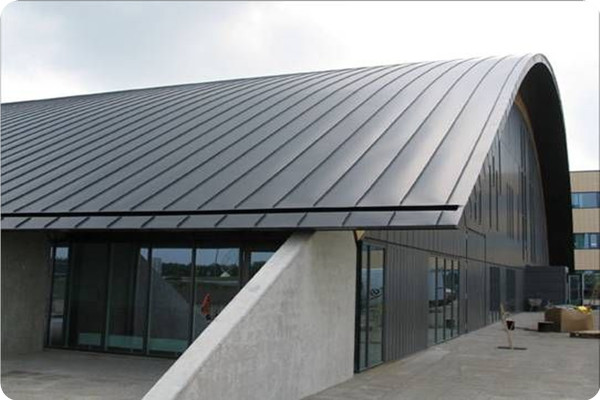
In the realm of modern architecture, selecting appropriate exterior wall materials is crucial for ensuring durability, safety, aesthetics, and cost-effectiveness. Among various options, color aluminum panels have emerged as the optimal choice for contemporary building facades. This article explores the multifaceted advantages of color aluminum panels that make them stand out in the construction industry.
2. Material Composition and Key Physical Properties
2.1 Composition and Manufacturing
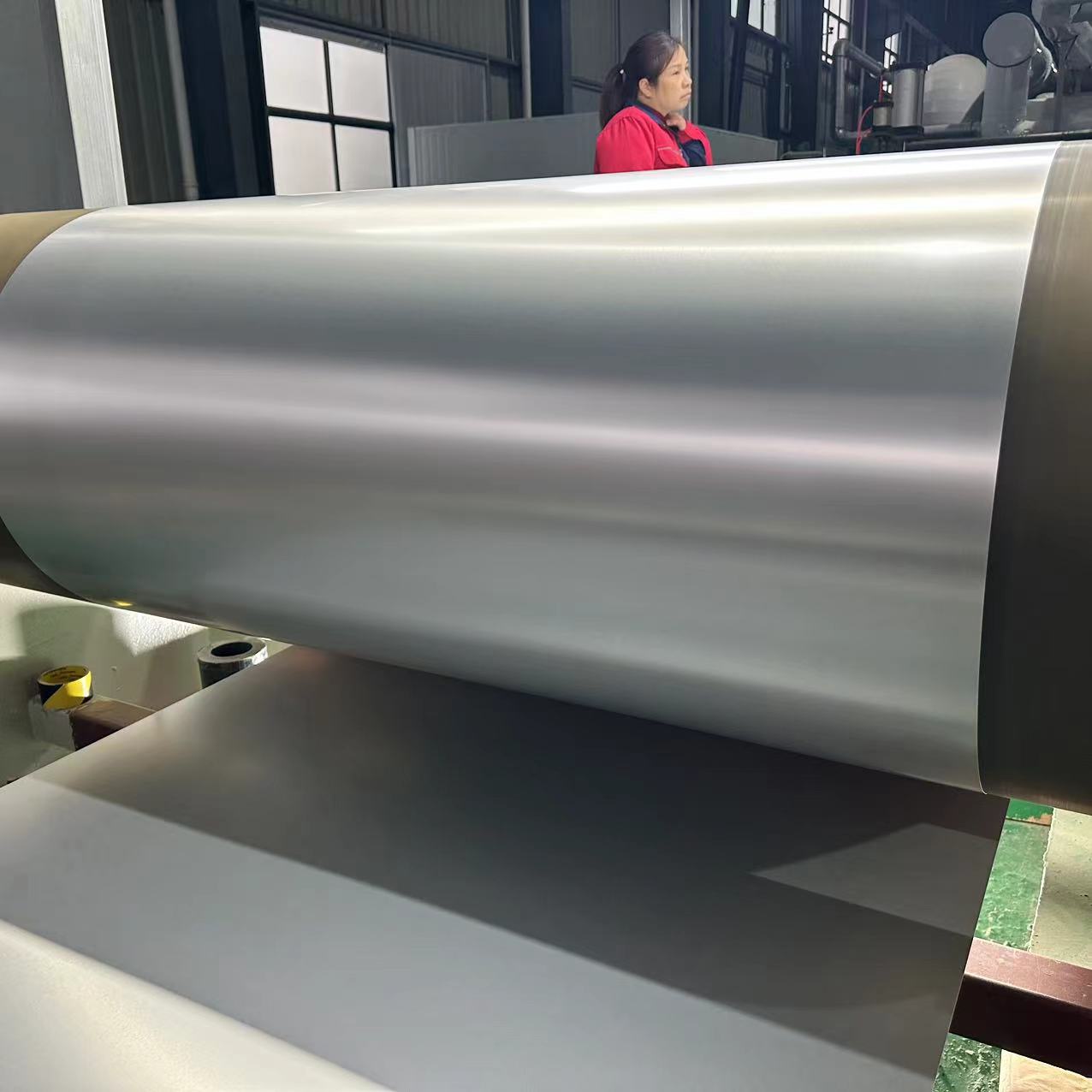
Color aluminum panels are engineered by applying polyester or fluorocarbon coatings to aluminum substrates, creating a material that combines functionality with visual appeal.
2.2 Lightweight and High Strength
Their lightweight nature—weighing only 5.5kg per square meter—significantly reduces structural loads while maintaining impressive strength with a flexural strength exceeding 80MPa. This characteristic makes them particularly suitable for high-rise buildings, as demonstrated in the Shenzhen Ping An Financial Center's use of aluminum composite panels with color aluminum surfaces for its curved facade.
3. Core Advantages of Color Aluminum Panels
3.1 Exceptional Durability
Durability is a key advantage of color aluminum panels. Thanks to advanced coating technologies like fluorocarbon (PVDF) or nano-coatings, they can maintain their appearance for over 20 years outdoors. ASTM G154 testing shows color variation (ΔE) remains below 2, ensuring long-term color stability. A notable example is the Sanya Phoenix Airport, where color aluminum-clad curtain walls have withstood tropical marine conditions for a decade without fading or cracking.
3.2 Superior Fire Safety
Fire safety is another critical factor where color aluminum panels excel. They meet stringent international standards such as ISO 834-1 and EN 13501-1, with fire-resistant core materials achieving A2-class ratings, making them suitable for various building types including commercial and public facilities.
3.3 Environmental Sustainability
Environmental sustainability sets color aluminum panels apart from many alternatives. With a 98% material recycling rate, they significantly reduce construction waste. Modern production processes also minimize environmental impact, with volatile organic compound (VOC) emissions complying with strict GB30981-2020 standards. Innovations like South Korea's Reborn Green PCM technology even incorporate recycled plastic into coatings, further enhancing their eco-friendly credentials.
4. Comparative Analysis with Other Exterior Materials
The following table compares color aluminum panels with other common exterior materials:
Performance Metric
Color Aluminum Panels
Ceramic Tiles
Natural Stone
Water-in-Water Coatings
Initial Cost (¥/㎡)
150-250
180-290
300-500+
120-200
Service Life (years)
20+
15-20
30+
8-12
Annual Maintenance Cost
Low (¥20-30/㎡ after 5y)
High (¥1500-2000/100㎡)
Medium
Medium
Weight (kg/㎡)
≤5.5
20-30
50-80
1-2
Fire Rating
A2
B1
A1
B2
Recyclability
98%
<30%
~50%
<10%
5. Cost-Effectiveness and Installation Efficiency
5.1 Lifecycle Cost Savings
Cost-effectiveness is evident throughout the lifecycle of color aluminum panels. While their initial cost is competitive at ¥150-250 per square meter, their long service life and low maintenance requirements create substantial savings over time. A commercial complex in Hangzhou reported annual maintenance cost savings exceeding ¥150,000 after switching to color aluminum panels. Unlike ceramic tiles, which require 20-30% replacement after 10 years, or water-in-water coatings needing complete renewal after 8-12 years, color aluminum panels only require occasional cleaning and minor touch-ups.
5.2 Efficient Installation
Installation efficiency further enhances their appeal. Compared to the 7-10 day installation period for ceramic tiles, color aluminum systems reduce construction time significantly. Their lightweight properties eliminate the need for additional structural reinforcement required by heavier materials like natural stone, which adds 10-15 yuan per square meter to tile installation costs in high-rise buildings.
6. Conclusion
In conclusion, color aluminum panels represent the optimal solution for modern building exteriors by harmonizing durability, safety, aesthetics, and sustainability. Their performance across key metrics—from fire resistance to environmental impact—combined with long-term cost savings, positions them as the superior choice for architects, developers, and building owners seeking both functionality and value in exterior cladding solutions.

 English
 العربية
 Français
 Русский
 Español
 Português
 Deutsch
 italiano
 日本語
 한국어
 Nederlands
 Tiếng Việt
 ไทย
 Polski
 Türkçe
 ភាសាខ្មែរ
 Bahasa Melayu
 Filipino
 Bahasa Indonesia
 magyar
 Română
 Čeština
 Монгол
 हिन्दी
 فارسی
 Slovenčina
 Slovenščina
 Norsk
 Svenska
 Ελληνικά
 Suomi
 Latine
 Dansk
 Shqip
 Hrvatski
 Afrikaans
 Gaeilge
 Eesti keel
 latviešu
 Azərbaycan dili
 Беларуская мова
 ქართული
 íslenska
 Kinyarwanda
 Lietuvių
 Lëtzebuergesch
 Македонски
 Malti
 Türkmençe
 ئۇيغۇرچە
 Cymraeg