As an industrial pure aluminum product with a purity of ≥99.6%, 1060 aluminum sheet, relying on its good ductility, corrosion resistance, thermal conductivity, and easy processing properties, as well as its lower cost compared to other alloy aluminum sheets, has become a "cost-effective choice" in various industries. Its application scenarios cover multiple fields such as industrial manufacturing, architectural decoration, new energy, and daily necessities. It can not only meet basic processing needs but also satisfy the customized requirements of some high-end scenarios, demonstrating extremely strong scenario adaptability.
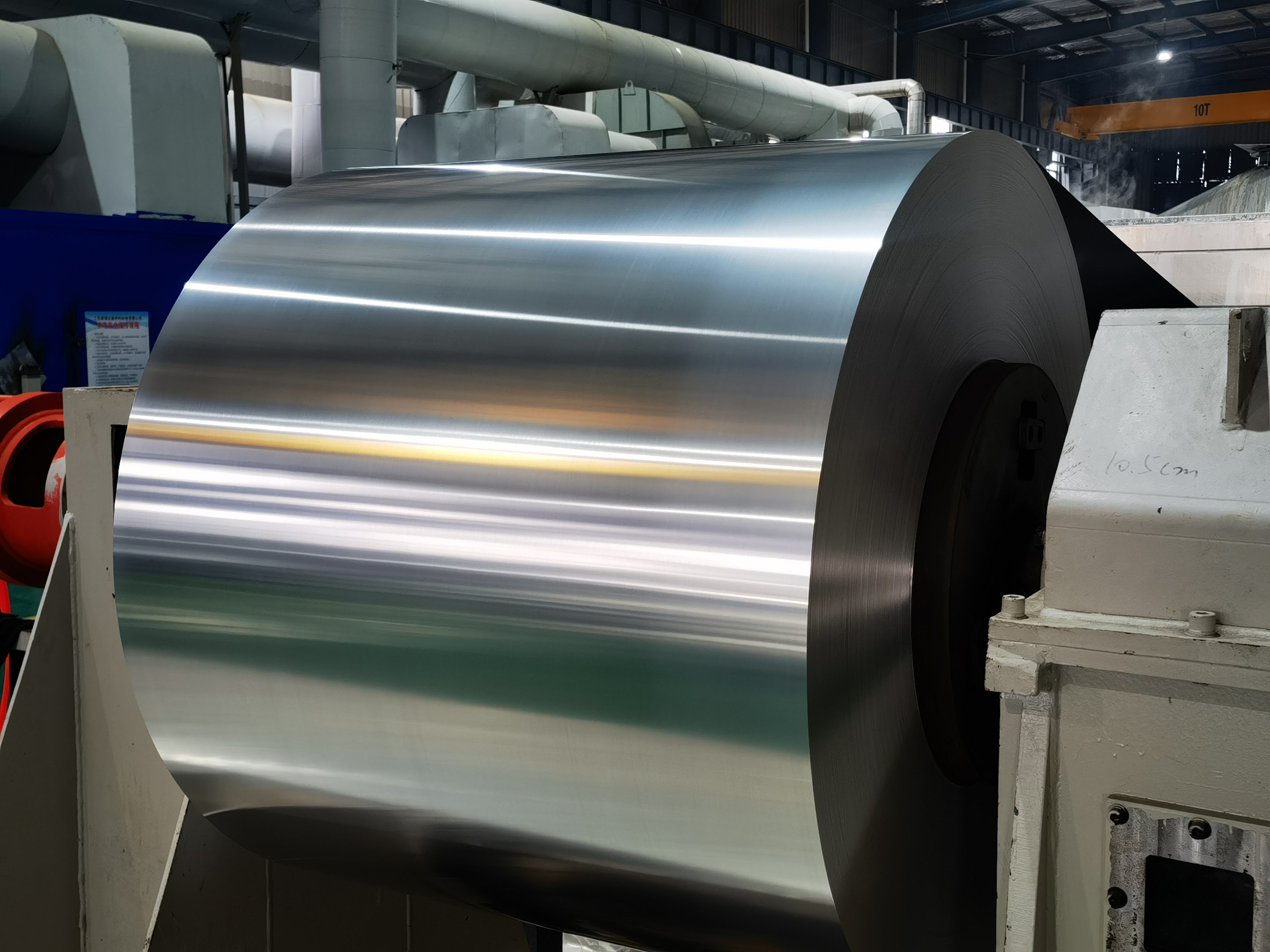
I. Industrial Manufacturing: Core Materials for Basic Processing and Auxiliary Components
In the industrial field, 1060 aluminum sheet, due to its high purity and stable processing performance, has become an important choice for basic components and auxiliary materials, and is especially widely used in light industry and precision manufacturing.
Instruments, meters and electronic accessories
The excellent ductility of 1060 aluminum sheet allows it to be made into ultra-thin instrument casings and heat sinks for electronic components through cold rolling and stamping. For example, in temperature sensors and pressure instruments, 1060 aluminum sheets with a thickness of 0.3-0.5mm are precisely stamped and formed. This not only ensures that the casing is lightweight and portable, but also helps the internal components dissipate heat by virtue of its good thermal conductivity, improving the operational stability of the instruments. At the same time, its surface is easy to oxidize to form a dense oxide film, which can replace some stainless steel materials and reduce the production cost of electronic accessories.
Hardware and mechanical auxiliary components
In small and medium-sized machinery, 1060 aluminum plates are often used to make non-load-bearing components such as protective covers, baffles, and pipe connectors. For example, in textile machinery, yarn guide covers made of 1060 aluminum plates with a thickness of 1.0-2.0mm are resistant to corrosion in the humid environment of textile workshops, and are lightweight without increasing the operating load of the equipment; in the field of hardware tools, they can be processed into toolbox linings and measuring tool protective sleeves, and complex structures can be realized through bending and welding to meet diverse storage needs.
Printing and packaging molds
1060 aluminum sheet has a high surface flatness. After polishing, it can be used as a printing plate base, suitable for processes such as screen printing and gravure printing. In the packaging industry, it can also be made into food packaging molds, such as the inner lining of stamping molds for aluminum cans. Due to its high purity, no harmful substances are released, which complies with the safety standards for food contact materials (GB 4806.1-2016) and ensures food safety in the packaging process.
II. Architectural Decoration: A Balanced Choice Between Lightweight and Aesthetics
With the promotion of green buildings and prefabricated decoration, 1060 aluminum plates, relying on the advantages of light weight, easy coloring, and weather resistance, have continuously expanded their applications in the field of architectural decoration, and are particularly suitable for indoor and outdoor lightweight decoration scenarios.
Interior Decoration and Home Furnishings
In interior decoration, 1060 aluminum plates can be processed into ceiling panels, wall decorative panels, furniture panels, etc. For example, 1060 aluminum ceiling (aluminum gusset plates) with wood-like or stone-like textures have a thickness of only 0.8-1.2mm and a weight of approximately 2.16-3.24kg/㎡, which is 50% lighter than traditional solid wood gusset plates. The installation efficiency is increased by 40%, and they are waterproof and moisture-proof, making them suitable for humid areas such as kitchens and bathrooms. In the field of home furnishings, they can also be made into wardrobe door panels and desk tops. After anodizing or spraying treatment, the surface hardness is increased to above HV30, making them wear-resistant and scratch-resistant, while taking into account both aesthetics and practicality.
Outdoor signs and landscape ornaments
The weather resistance of 1060 aluminum plates makes them suitable for outdoor environments, and they are often used in making billboards, building signs, and landscape sculptures. For example, on the exterior walls of commercial complexes, luminous signs made of 3.0-5.0mm thick 1060 aluminum plates through laser engraving, after surface oxidation treatment, can resist rain erosion and ultraviolet radiation, with a service life of more than 10 years; in park landscapes, they can be made into lightweight sculptures through bending and welding, without the need for complex anti-corrosion treatment, reducing later maintenance costs.
Prefabricated building auxiliary components
In prefabricated residential buildings, 1060 aluminum plates can be used as pipe wrapping layers and vent covers. For example, in the outsourcing of central air - conditioning pipes, 1060 aluminum plates with a thickness of 0.5 - 0.8mm form protective sleeves through rounding and welding. They not only insulate the wall from erosion by pipe condensation water, but also assist in pipe heat preservation by virtue of good thermal conductivity, which is in line with the concept of "efficient construction, low - carbon and energy conservation" of prefabricated buildings.
III. New Energy and Environmental Protection: Functional Materials Adapted to Clean Energy Scenarios
Against the backdrop of the rapid development of the new energy industry, 1060 aluminum sheets, with their thermal conductivity and corrosion resistance, have become functional supporting materials in fields such as photovoltaics and hydrogen energy, contributing to the efficient operation of clean energy equipment.
Photovoltaic field
In photovoltaic inverters and combiner boxes, 1060 aluminum plates are used to make heat-dissipating enclosures and internal conductive connectors. The inverter enclosures made of 1060 aluminum plates with a thickness of 2.0-3.0mm are stamped to form heat-dissipating fins. Taking advantage of their good thermal conductivity, they can quickly conduct out the heat generated by internal components, ensuring the stable operation of the inverter in high-temperature environments. At the same time, after surface oxidation treatment, they are resistant to corrosion in the outdoor humid and dusty environments of photovoltaic power stations, and are suitable for outdoor scenarios in photovoltaic industrial parks such as Daye and Yangxin.
Hydrogen energy and energy storage auxiliary components
In hydrogen storage and transportation equipment, 1060 aluminum plates can be used as the protective layer of hydrogen pipelines. Aluminum plates with a thickness of 1.5-2.5mm are bent and welded to form the outer sheath of the pipeline, isolating external water vapor and impurities, and protecting the sealing performance of pipeline interfaces; in small energy storage battery cabinets, they can also be made into battery separators. With their lightweight characteristics, they reduce the overall weight of the cabinet, meeting the portability requirements of mobile energy storage equipment.
Environmental protection equipment accessories
In sewage treatment and air purification equipment, 1060 aluminum plates are used to make filter device frames and equipment casings. For example, in small sewage treatment equipment, filter frames made of 1060 aluminum plates with a thickness of 1.0-1.5mm are resistant to corrosion by acid and alkali sewage, and their smooth surface is easy to clean, which reduces the blockage problem caused by impurity adhesion and improves the filtration efficiency of the equipment.
IV. Daily Necessities and Other Fields: Practical Materials Close to Life
Food and kitchenware field
1060 aluminum plates with a purity of ≥99.6% meet the safety standards for food contact, and can be made into kitchenware and containers such as aluminum pots, aluminum basins, and food trays. For example, the commonly used aluminum soup pots in families are made by stretching 1060 aluminum plates with a thickness of 2.0-3.0mm. They conduct heat evenly and heat up quickly, saving more than 20% energy compared with stainless steel pots. In the catering industry, it can also be made into the base material of disposable aluminum foil lunch boxes. Through calendering, it is made into ultra-thin aluminum foil, which has both sealing performance and environmental protection, and can be recycled after use.
Cultural, sports, and office supplies
In the field of culture and sports, 1060 aluminum plates can be processed into picture frames, medals, and stationery storage boxes. For example, metal picture frames are formed by bending 1060 aluminum plates with a thickness of 0.8-1.0mm. After being sprayed with a colored coating on the surface, they are lightweight and not easily deformed, suitable for various sizes of paintings. In office supplies, the drawer bottoms of file cabinets and pen holder shells made from them are resistant to wear in office environments, and their colors are rich and customizable, enhancing the aesthetics of the office space.
Transportation and aviation auxiliary supplies
In small vehicles, 1060 aluminum plates are used to make non-load-bearing components such as bicycle fenders and motorcycle fuel tank protective covers. Aluminum plates with a thickness of 1.5-2.0mm not only ensure a certain degree of strength but also reduce the vehicle's own weight; in the field of aviation models, they can be made into model fuselages and wing skins. Through ultra-thin cold rolling technology, a thickness of 0.1-0.2mm is achieved, meeting the needs of model lightweighting and high-precision forming.
Conclusion: Application Potential of High-Cost-Performance Pure Aluminum Materials.
1060 aluminum sheet, with its core advantages of high purity, good processability, and controllable cost, has formed a diversified application pattern in fields such as industrial manufacturing, architectural decoration, new energy, and daily necessities. As industries' demand for lightweight, environmentally friendly, and low-cost materials increases, and with the upgrading of processing technologies (such as precision stamping and surface coloring technologies), 1060 aluminum sheet will further extend to more segmented high-end scenarios, such as lightweight components for new energy vehicles and precision electronic heat dissipation elements. It will continue to release the dual value of "cost performance + functionality" and become an important option in material selection across various industries.

 English
 العربية
 Français
 Русский
 Español
 Português
 Deutsch
 italiano
 日本語
日本語 한국어
한국어 Nederlands
 Tiếng Việt
 ไทย
ไทย Polski
 Türkçe
 ភាសាខ្មែរ
 Bahasa Melayu
 Filipino
 Bahasa Indonesia
 magyar
 Română
 Čeština
 Монгол
 हिन्दी
 فارسی
فارسی Slovenčina
 Slovenščina
 Norsk
Norsk Svenska
 Ελληνικά
 Suomi
Suomi Latine
 Dansk
Dansk Shqip
Shqip Hrvatski
 Afrikaans
 Gaeilge
 Eesti keel
 latviešu
 Azərbaycan dili
 Беларуская мова
 ქართული
 íslenska
 Kinyarwanda
 Lietuvių
 Lëtzebuergesch
 Македонски
 Malti
Malti Türkmençe
 ئۇيغۇرچە
 Cymraeg