How Pre-Painted Aluminium Coils Turn Metal into a Universal Design Canvas
In modern architecture and industrial design, materials are no longer judged solely by their strength or durability. Today, designers demand expressive surfaces, multifunctional coatings, sustainability, and design flexibility.
This is where color-coated aluminium coils—also known as pre-painted aluminium coils—are redefining the industry.
Through advanced aluminium coil coating processes, aluminium has evolved from a simple structural metal into a customizable aesthetic carrier. With technologies such as wood grain transfer printing, digital stone texture coating, and precision brushed finishes, coloured aluminium now replicates the warmth of wood, the luxury of marble, and the sophistication of industrial metal—all while retaining its lightweight, corrosion-resistant core.
Whether used in architectural aluminium panels, decorative aluminium cladding, curtain wall systems, furniture manufacturing, or high-end consumer electronics, pre-coated aluminium has become a “universal canvas” for modern design.
Let’s explore how coloured aluminium achieves its “72 changes.”
What Are Color-Coated Aluminium Coils?
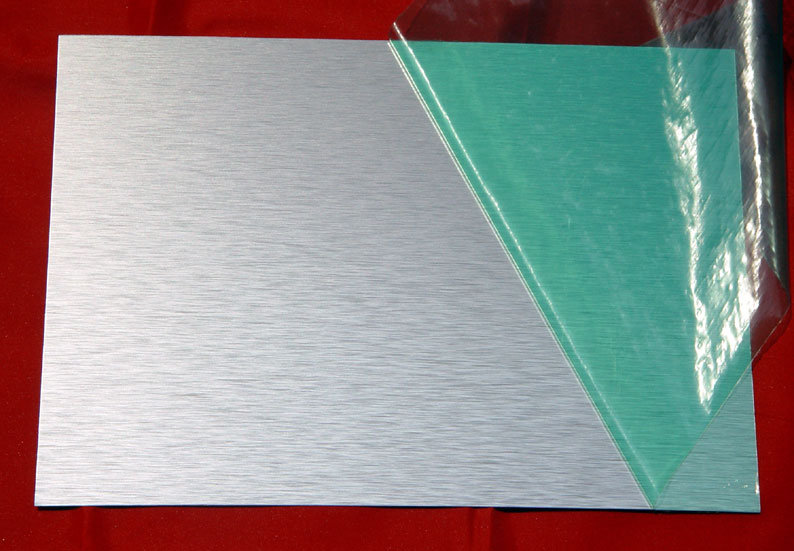
Color-coated aluminium coils are aluminium substrates treated through a continuous coil coating line, where multiple layers of primer, pigment, and protective coatings are applied and baked at high temperatures.
Typical coating systems include:
These coatings provide:
Unlike traditional post-painting methods, the coil coating process ensures uniform thickness, color consistency, and industrial-grade adhesion.
The result? A lightweight building material that combines aesthetics with structural performance.
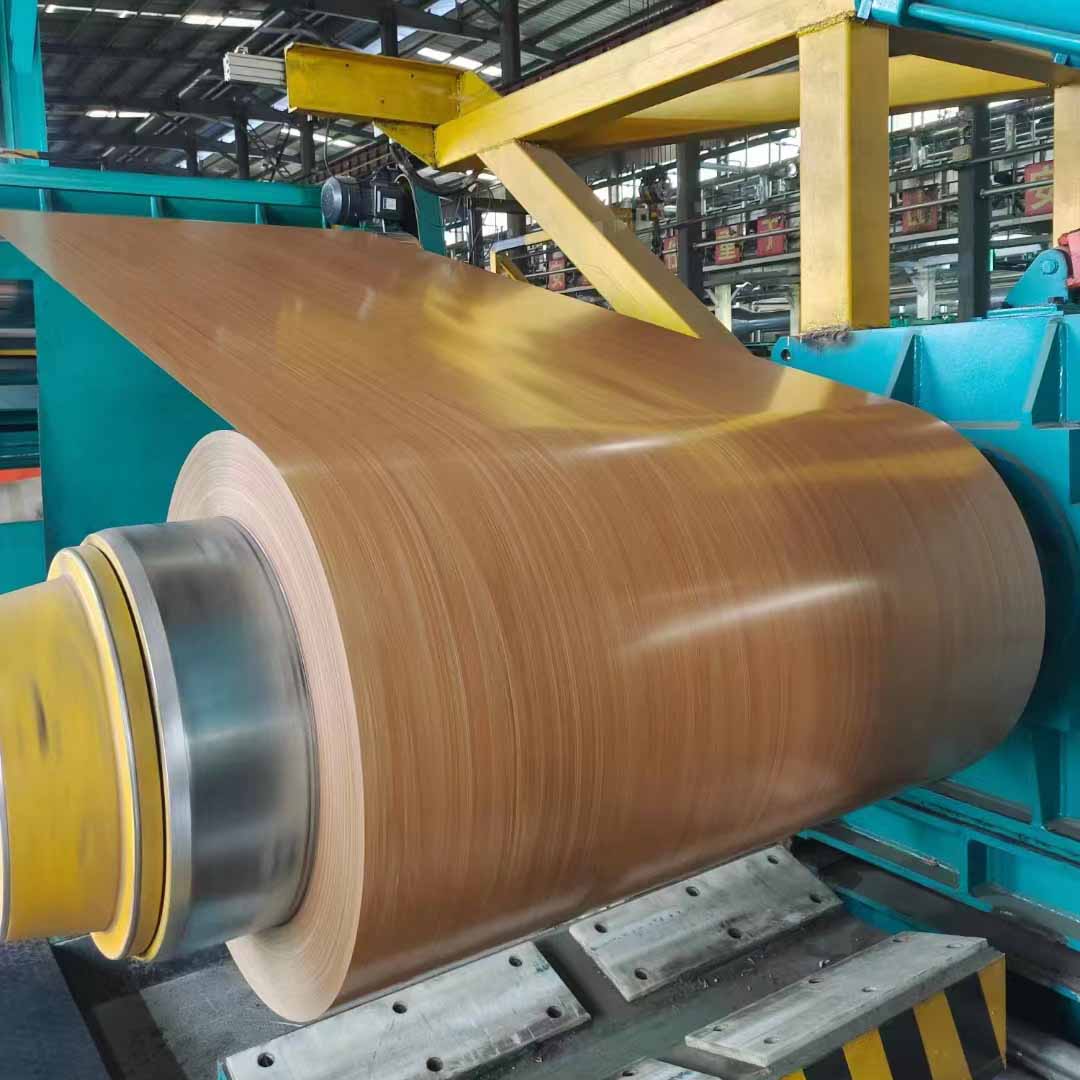
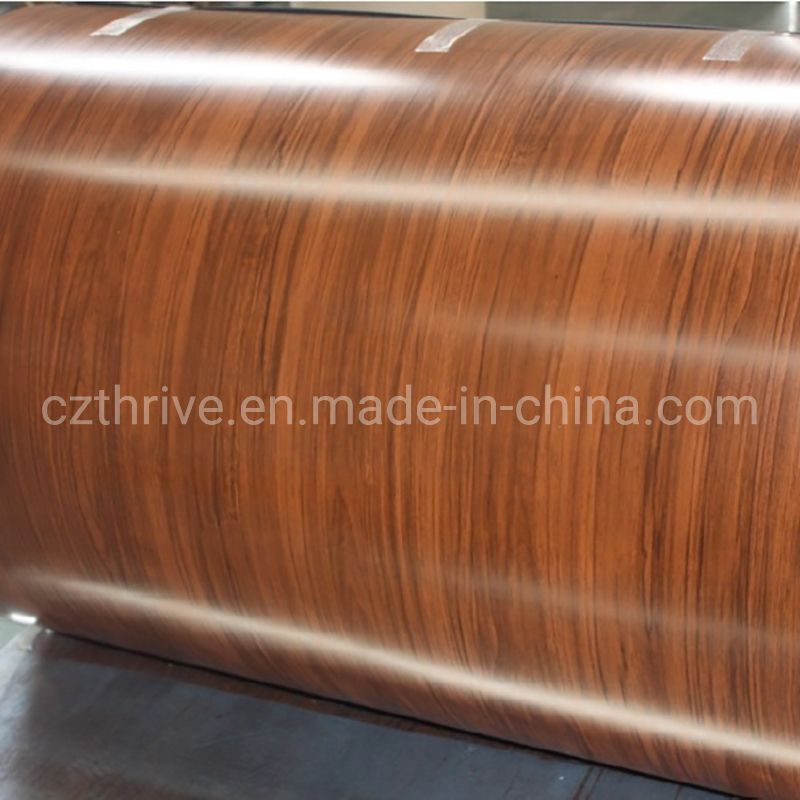
Wood Grain Coloured Aluminium: Reproducing Nature’s “Ecological Code”
Wood has always symbolized warmth, comfort, and environmental harmony. However, solid wood presents limitations such as moisture sensitivity, insect damage, and deforestation concerns.
Wood grain color-coated aluminium coils provide a sustainable and durable alternative.
Technical Analysis
1. High-Precision Printing Technology
Using advanced roller coating or gravure printing systems, natural wood patterns—such as oak, walnut, teak, or bamboo—are transferred onto aluminium coils with extremely fine resolution. Pattern deviation can be controlled within 0.01mm, achieving remarkable realism.
Modern production lines also use thermal transfer technology to enhance depth and texture.
2. Protective Coating Overlay
A transparent protective layer—often polyurethane or PVDF—is applied over the decorative pattern. This layer:
Improves scratch resistance
Enhances UV stability
Prevents fading for 10–15 years in outdoor environments
Resists moisture and chemical exposure
The aluminium substrate underneath remains corrosion-resistant and recyclable, making it a sustainable architectural solution.
Application Scenarios
1. Architectural Decoration
Wood grain aluminium panels are widely used in:
For example, the iconic Oasia Hotel Downtown integrates vertical greenery with wood-grain aluminium cladding, creating a “forest hotel” aesthetic while maintaining long-term durability in a tropical climate.
2. Furniture Manufacturing
Pre-painted aluminium sheets are used for:
Cabinet doors
Wardrobe panels
Office partitions
Compared with solid wood, aluminium offers:
Waterproof properties
Termite resistance
Dimensional stability
Easy cleaning
3. Premium Packaging Design
Wood grain aluminium foil and sheets enhance high-end product packaging such as:
The combination of metal durability and natural texture increases perceived product value.
Solid Wood vs Wood Grain Aluminium
| Feature | Solid Wood | Wood Grain Aluminium |
| Corrosion Resistance | Warps in humidity | Waterproof & stable |
| Pest Resistance | Vulnerable to termites | Insect-resistant |
| Processing | Requires cutting & splicing | One-piece forming |
| Sustainability | Tree harvesting required | Recyclable aluminium substrate |
| Maintenance | Needs sealing & varnish | Minimal maintenance |
For modern eco-conscious construction, wood grain aluminium cladding is a superior alternative.
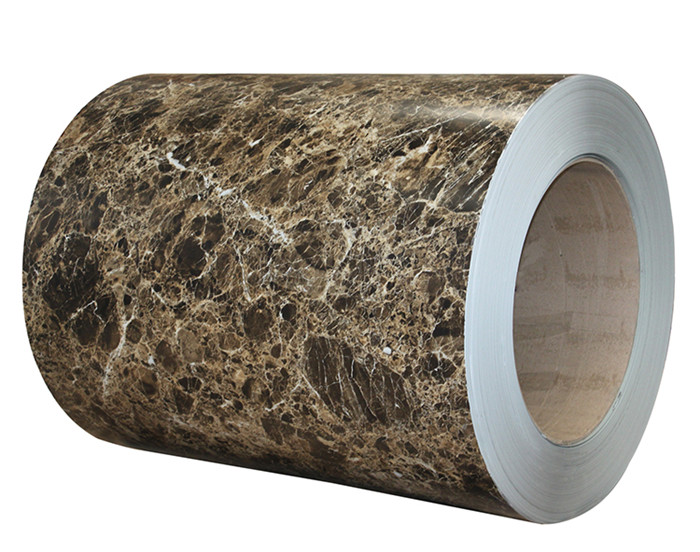
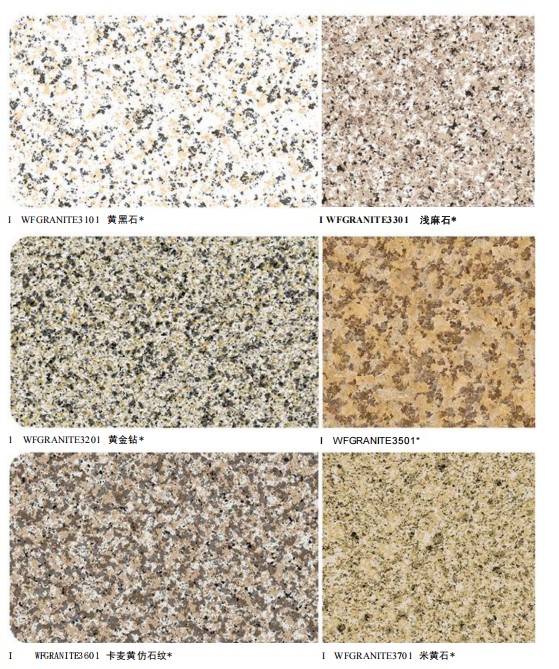
Stone Grain Coloured Aluminium: Industrial Luxury Reinvented
Natural marble and granite represent prestige and luxury. However, they are heavy, expensive, and difficult to install.
Stone-effect color-coated aluminium coils solve these challenges while maintaining high-end aesthetics.
Technical Breakthroughs
1. Digital Inkjet Technology
Using computer-controlled nozzles, ceramic pigments are sprayed onto aluminium surfaces to create realistic marble or granite patterns.
Popular designs include:
Carrara white
Calacatta marble
Black granite
Travertine textures
The result is high-definition stone simulation on lightweight aluminium sheets.
2. 3D Relief Effect
By combining mechanical embossing with multi-layer coating, manufacturers create tactile depth that simulates the concave-convex texture of natural stone.
This integration of vision and touch enhances authenticity.
Real-World Applications
1. Commercial Curtain Walls
In large-scale retail environments like The Dubai Mall, stone-pattern aluminium curtain walls replicate luxurious marble at only one-third the cost of natural stone.
Advantages include:
2. Sanitary Products
Stone-pattern aluminium panels are used for:
Shower partitions
Washbasin cabinets
Bathroom wall panels
Their anti-mold and easy-clean properties outperform traditional stone.
Functional Upgrades
Stone-coloured aluminium is not just decorative—it is engineered for performance.
Fire Protection
PVDF coated aluminium panels can achieve B1 flame-retardant rating, suitable for:
Hospitals
Airports
Shopping centers
Schools
Anti-Bacterial Coating
Silver-ion technology can be integrated to inhibit bacteria such as:
Escherichia coli
Staphylococcus aureus
This makes them ideal for public spaces and healthcare facilities.
Brushed Aluminium: The Minimalist Expression of Industrial Aesthetics
In contemporary design, minimalism and industrial style dominate product development.
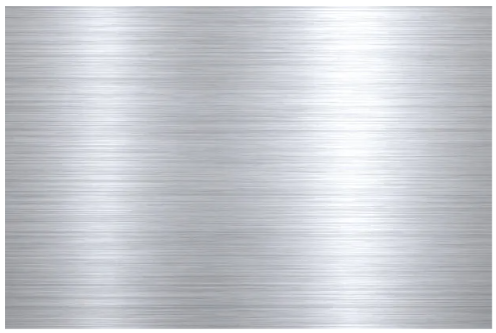
Brushed colour-coated aluminium coils embody precision, refinement, and technological sophistication.
Process Principles
1. Mechanical Brushing
High-speed abrasive belts create uniform hairline textures on aluminium coils. The brushing direction can be:
Horizontal
Vertical
Cross-pattern
2. Chemical Etching
Controlled acid treatment modifies the surface texture, allowing variation in depth and reflection.
After brushing, protective coatings are applied to:
Application Areas
1. Consumer Electronics
The sleek casing of MacBook demonstrates how brushed aluminium enhances both touch and appearance.
Benefits include:
2. Kitchen Appliances
Brushed aluminium surfaces are widely used in:
Range hoods
Ovens
Refrigerators
They resist grease stains and are easy to clean.
3. High-End Architecture
In commercial districts such as Ginza, brushed aluminium sunshade systems combine functional shading with artistic light-and-shadow effects.
Why Designers Prefer Pre-Painted Aluminium Coils
1. Lightweight Yet Strong
Compared with stone or steel, aluminium offers:
2. Superior Corrosion Resistance
With PVDF coating systems, aluminium can withstand:
Coastal salt spray
Industrial pollution
UV radiation
3. Sustainable Material Choice
Aluminium is 100% recyclable without quality loss. The sustainable aluminium substrate supports green building certifications such as LEED.
4. Cost Efficiency
Lower transportation weight + reduced maintenance = better lifecycle economics.
Selection Guide for Color-Coated Aluminium Coils
| Texture Type | Cost Level | Weather Resistance | Recommended Application |
| Wood Grain | Medium | 10–15 Years | Indoor & Outdoor Decoration |
| Stone Grain | High | 15–20 Years | Curtain Walls, Facades |
| Brushed Finish | Low–Medium | 8–12 Years | Electronics, Appliances |
Professional Selection Advice
Highly corrosive outdoor environments: Choose PVDF coated stone-grain aluminium panels.
Budget-conscious projects: Polyester coated wood grain aluminium is cost-effective.
Industrial or minimalist design: Matte brushed aluminium panels are ideal.
The Future of Decorative Aluminium Surfaces
The transformation of aluminium into a universal canvas is only beginning.
Emerging innovations include:
Nano self-cleaning coatings
Anti-graffiti surfaces
Smart color-changing finishes
Gradient artistic coatings
Energy-efficient reflective layers
With the growth of metal facade materials and sustainable architecture, color-coated aluminium coils will continue pushing creative boundaries.
When Metal Has the Magic of “72 Changes”
The texture revolution of coloured aluminium is more than surface decoration—it is a material science breakthrough.
From ecological wood grain to luxurious marble simulation, from industrial brushed textures to artistic gradients, color-coated aluminium coils combine natural beauty with engineered performance.
In an era driven by personalization, sustainability, and functional integration, aluminium is no longer just a construction material—it is a design language.
So next time you:
Touch a wood grain aluminium door
See a stone-pattern aluminium curtain wall
Hold a brushed aluminium laptop
Remember: this is not an imitation of nature.
It is the perfect fusion of industrial technology, architectural innovation, and artistic inspiration.
And this is how aluminium performs its “72 changes.”

 English
 العربية
 Français
 Русский
 Español
 Português
 Deutsch
 italiano
 日本語
日本語 한국어
한국어 Nederlands
 Tiếng Việt
 ไทย
ไทย Polski
 Türkçe
 ភាសាខ្មែរ
 Bahasa Melayu
 Filipino
 Bahasa Indonesia
 magyar
 Română
 Čeština
 Монгол
 हिन्दी
 فارسی
فارسی Slovenčina
 Slovenščina
 Norsk
Norsk Svenska
 Ελληνικά
 Suomi
Suomi Latine
 Dansk
Dansk Shqip
Shqip Hrvatski
 Afrikaans
 Gaeilge
 Eesti keel
 latviešu
 Azərbaycan dili
 Беларуская мова
 ქართული
 íslenska
 Kinyarwanda
 Lietuvių
 Lëtzebuergesch
 Македонски
 Malti
Malti Türkmençe
 ئۇيغۇرچە
 Cymraeg