| Availability: | |
|---|---|
| Quantity: | |
Food-grade PE coated aluminum coil is developed for cookware manufacturers producing stamped aluminum discs, frying-pan blanks, pot bodies, baking components and other formed kitchenware parts. The material combines highly formable 1060-O aluminum with a factory-applied polyester coating system that can be configured for suitable food-contact and cookware applications.
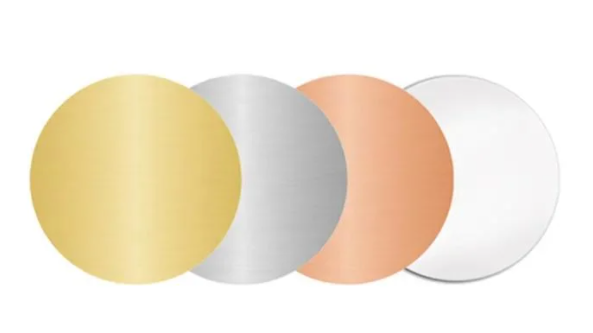
Standard aluminum thickness ranges from 0.3 mm to 1.2 mm, with coil widths from 200 mm to 1600 mm and total coating thickness from 23 μm to 28 μm. Single-sided and double-sided coating options are available in white, silver, grey, black and customer-approved colors.
For direct food-contact cookware applications, the final coating system should be selected according to the destination market, food type, contact time, operating temperature and required migration or food-contact testing. Relevant documentation should be confirmed for the exact production specification before mass production.
Request a Cookware Coil Quote Request Samples & Food-Contact Documents
1060 is a commercially pure aluminum alloy containing at least 99.6% aluminum. O temper means the material is supplied in a fully annealed condition, providing high ductility for deep drawing, redrawing, spinning, stamping and curved cookware forming.
The soft temper helps reduce the risk of edge cracking, wall tearing and localized thinning during substantial deformation. Final forming performance still depends on blank geometry, draw ratio, tooling, lubrication, coating flexibility and the number of forming stages.
Commercially pure 1060 aluminum provides high thermal conductivity, making it suitable as a substrate for cookware and heat-transfer components where efficient heat distribution is required.
1060 aluminum provides good resistance to normal atmospheric corrosion. The approved coating system can provide additional surface protection against water, cooking oils and routine kitchen exposure, subject to the specific coating chemistry and intended use.
Surface cleaning, pretreatment, primer selection and topcoat flexibility are controlled to support downstream forming. For cookware components requiring deep drawing, the proposed coating should be evaluated using the customer's actual draw depth, tooling and edge-forming process.
Production trials are recommended before volume orders where the coated surface will undergo severe stretching, multiple redraw operations or tight flanging.
The standard total coating thickness is controlled within 23–28 μm. Coating build should be balanced with adhesion, flexibility, color and the intended forming operation so the finished cookware component achieves the required surface performance.
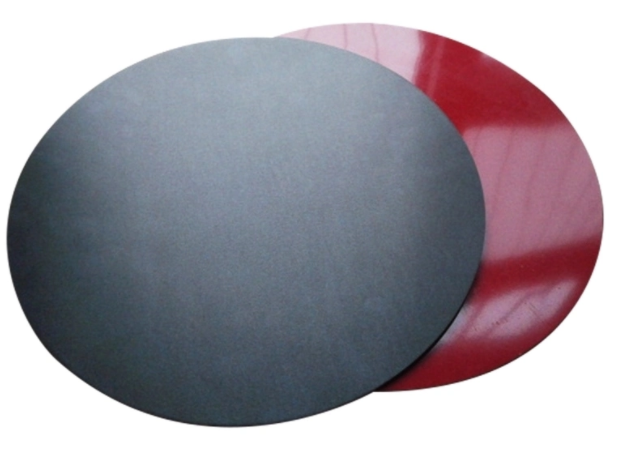
Single-sided coating can be supplied for components where only one visible or functional surface requires coating. Double-sided coating is available for cookware, kitchenware and decorative metal parts where both surfaces require a finished appearance or specified surface protection.
Transparent protective film can be applied to reduce scratches, dust contamination and handling marks during slitting, blanking, stamping, forming and transportation. Film adhesion should be selected according to the forming operation and required removal conditions.
Item | Specification |
|---|---|
Base Alloy | 1060 Commercially Pure Aluminum, Al ≥99.6% |
Temper | O Temper, Fully Annealed for Deep Drawing |
Base Thickness | 0.3 mm – 1.2 mm |
Coil Width | 200 mm – 1600 mm |
Coating Type | Food-Contact PE Polyester Coating, subject to approved formulation and intended-use testing |
Total Coating Thickness | 23 μm – 28 μm |
Surface Option | Single-Sided / Double-Sided Coating |
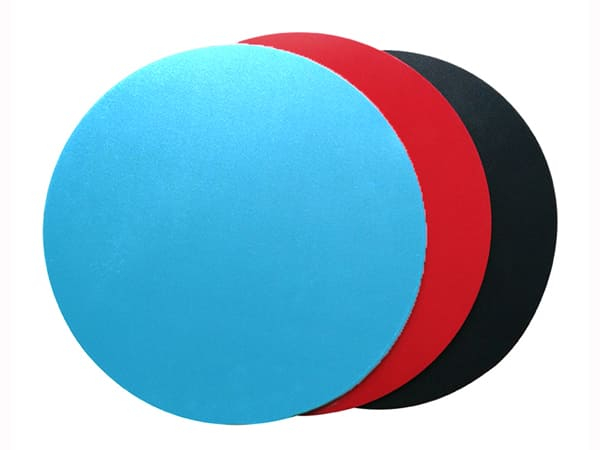
Available Colors | White, Silver, Grey, Black and Custom Colors |
Protective Film | Available according to forming and surface-protection requirements |
Typical Processing | Blanking, Stamping, Deep Drawing, Redrawing, Spinning and Flanging |
Available Documents | MTC, RoHS documentation and food-contact test documentation according to confirmed coating and destination-market requirements |
Specification note: Food-contact suitability, migration performance, coating adhesion, thermal resistance and deep-drawing performance depend on the exact coating formulation, substrate thickness, finished cookware design and intended use. Required test standards and acceptance criteria should be confirmed before mass production.
Send Your Gauge, Width & Food-Contact Requirements
1060-O aluminum coil uncoiling → multi-stage degreasing and surface cleaning → non-chromium pretreatment → controlled drying → primer roller coating → curing → PE polyester finish coating → secondary curing and cooling → optional protective-film lamination → rewinding → coating and surface inspection → export packaging.
Coating thickness, surface appearance and adhesion can be monitored during production. Where food-contact performance is required, testing should be performed on the approved coating system according to the intended application and agreed test conditions.
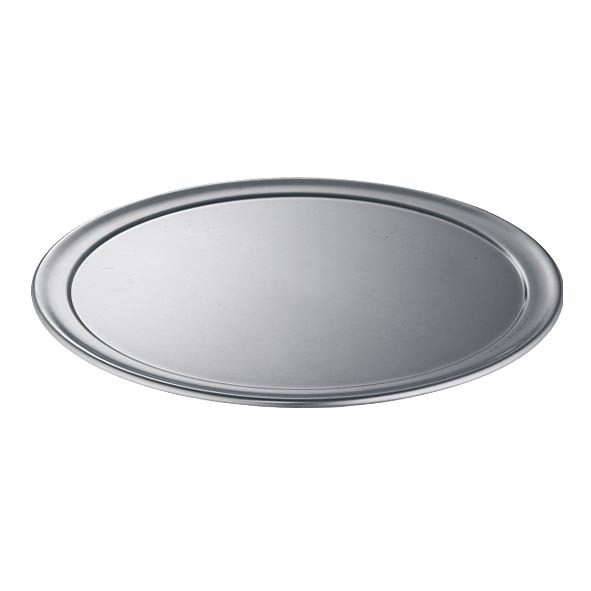
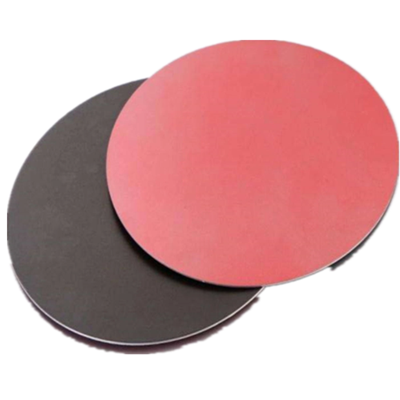
Coil can be blanked into round aluminum discs before drawing into cookware bodies. Buyers should provide the required finished disc diameter, blank diameter, cookware depth and material thickness so forming suitability can be reviewed.
O-temper 1060 provides high ductility for substantial deformation, but coating performance should be validated under the actual drawing ratio. Multi-stage forming may be preferable for deep cookware geometries to control wall thinning and coating stress.
Rim forming and edge curling place localized strain on both the substrate and coating. Tight-radius operations should be trialed before volume production where the coated surface must remain visible after forming.
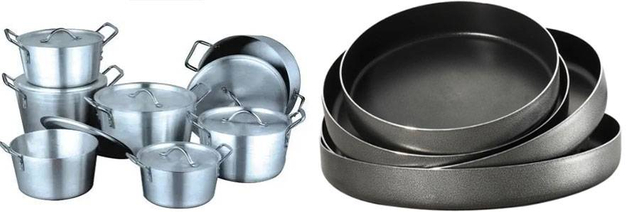
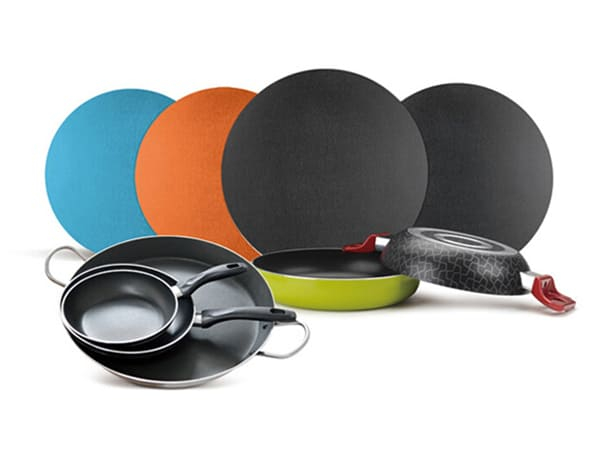
1060-O coated coil can be processed into suitable round blanks for frying pans, saucepans, soup pots and related cookware. The coating location and food-contact status should be defined according to whether the coated face becomes an interior food-contact surface or an exterior decorative surface after forming.
The material can be evaluated for baking trays, molds and other stamped kitchen components where the selected coating has been qualified for the intended temperature, food type and contact conditions.
Applications can include rice-cooker exterior or decorative components, air-fryer shells and other kitchen-appliance metal parts. Components not in direct food contact can use coating specifications selected primarily for appearance, adhesion, corrosion resistance and forming performance.
Color-coated aluminum can be used for suitable decorative or protective parts of food-processing equipment. Any surface that directly contacts food should be separately specified and evaluated for its actual food-contact conditions.
Food-contact requirements differ by destination market. Buyers should identify the country or region where the finished cookware will be sold so the required coating composition, migration testing and supporting documentation can be reviewed before production.
A coating that is appropriate for a decorative exterior surface is not automatically suitable for direct contact with hot food. Buyers requiring a direct food-contact surface should specify food type, cooking or storage temperature, contact duration and cleaning conditions.
MTC, coating information, RoHS documentation and applicable food-contact or migration test reports can be discussed according to the approved coating system. The required document package should be agreed before the production order is released.
Standard solid colors and customer-matched colors are available. When color consistency is important for cookware-brand programs, an approved physical sample should be retained as the production reference.
The coil can be configured with coating on one side or both sides according to the finished component. Front and reverse-side coating requirements should be clearly identified when different functions or appearances are required.
Inspection requirements can be defined according to the finished cookware and processing method. Typical controls include substrate dimensions, surface appearance, coating thickness, coating adhesion and forming trials.
Alloy and temper verification
Thickness and width inspection
Surface-defect inspection
Coating-thickness measurement
Cross-cut or agreed coating-adhesion testing
Deep-drawing simulation where required
Food-contact or migration testing according to the agreed coating and intended-use conditions
Request Technical Data & Test Reports
Finished coils can be protected with surface film, moisture-resistant wrapping and neutral kraft paper before being secured to export-grade wooden pallets. Packaging can be adjusted according to coil width, coil weight, slitting format and international transportation requirements.
Shipping labels can identify alloy, temper, thickness, width, color code and net weight. Required commercial, material and testing documents should be listed in the purchase order before shipment.
For faster technical review and pricing, please provide the required thickness, width, coil weight or roll length, coating side, coating color, cookware application, blank diameter, finished cookware depth, forming process, order quantity and destination.
For direct food-contact applications, please also provide the destination market, food type, maximum contact temperature, contact duration and required migration or compliance test standard.
Get a Custom Cookware Coil Proposal
It can be produced with a coating system intended for suitable food-contact applications, but direct food-contact use should be confirmed for the exact coating formulation, destination market, food type, contact duration and temperature. Applicable migration or food-contact test documentation should be reviewed before production.
Not every polyester coating is suitable for a direct high-temperature cooking surface. If the coated face will form the interior food-contact surface of a frying pan or baking product, the required operating temperature and food-contact conditions must be specified so an appropriate coating system can be evaluated.
1060-O combines high aluminum purity with a fully annealed soft temper. Its high ductility makes it suitable for deep drawing, redrawing, spinning and stamping into cookware bodies that require substantial material deformation.
Coating integrity depends on draw ratio, forming depth, tool design, lubrication, coating flexibility and substrate thickness. Suitable coating systems can be developed for forming applications, but a deep-drawing trial is recommended for demanding cookware geometries before volume production.
Yes. White, silver, grey, black and custom colors can be discussed. A physical color sample is recommended where close brand-color matching is required.
Yes. Single-sided and double-sided coating configurations are available. The required coating function and food-contact status of each side should be defined in the purchase specification.
MTC, RoHS documentation, commercial invoice, packing list and applicable coating or food-contact test reports can be discussed according to the confirmed product and destination-market requirements. Required documents should be agreed before production.
Please provide thickness, width, single- or double-sided coating, color, cookware type, blank diameter, forming depth, quantity and destination. For direct food-contact use, also provide the required market and test conditions.
If you manufacture aluminum cookware discs, frying pans, pots, baking products or formed kitchen components, send us your required thickness, width, coating side, color, blank diameter, forming process and food-contact requirements. Our technical sales team can review the specification and prepare a quotation and sample proposal.
Products
Application
Quick links
Contact Us