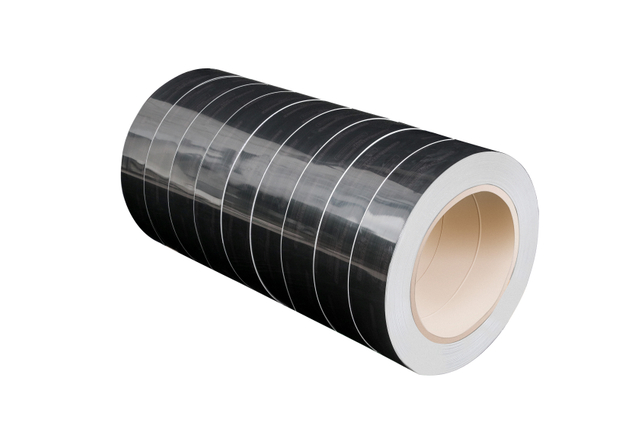
AA3003
Dingang
7606125900
| Availability: | |
|---|---|
| Quantity: | |
This 0.5mm H14 high gloss color coated aluminum coil is designed for residential roofing, commercial roofing, wall cladding and architectural fabrication requiring a smooth decorative finish, lightweight aluminum substrate and reliable forming performance.
Available in 1050 or 3003 aluminum alloy with H14 temper, the material provides a practical combination of rigidity and formability for roll forming, bending, cutting and fabrication into roofing panels, cladding panels, fascia, flashing and other architectural components.
PE polyester, SMP and PVDF coating options are available according to the installation environment, required color retention, weathering performance and fabrication process. Standard widths include 1000mm, 1200mm and 1250mm, while custom widths and RAL colors can be discussed according to project requirements.
Item | Specification |
|---|---|
Product Type | High gloss color coated / prepainted aluminum coil |
Alloy | 1050 / 3003 |
Temper | H14 |
Nominal Thickness | 0.5mm; other thickness requirements can be discussed |
Standard Width | 1000mm / 1200mm / 1250mm; customized widths available |
Surface Finish | High gloss finish |
Gloss Requirement | Target gloss and tolerance should be confirmed according to approved sample or purchase specification |
Coating Options | PE polyester / SMP / PVDF |
Coating Build | Primer, topcoat and back-coat requirements according to the selected coating system and order specification |
Color Options | RAL colors and custom glossy colors according to approved reference |
Published Tensile Strength | 110–150MPa |
Published Elongation | 10%–18% |
Processing | Slitting, cutting, bending and roll forming subject to profile requirements |
Protective Film | Available according to surface protection and fabrication requirements |
Coil ID / Coil Weight | To be confirmed according to decoiler and production-line requirements |
Main Applications | Residential roofing, commercial roofing, wall cladding and architectural decoration |
Published mechanical-property ranges should be confirmed against the ordered alloy and batch specification. Final coating thickness, gloss, color tolerance, metal thickness tolerance, coil ID, coil weight, protective film and packing requirements should be agreed before production.
Get Technical Specifications & Pricing
H14 temper provides more rigidity than fully annealed aluminum while retaining useful forming capability. This balance can be suitable for roofing and cladding profiles where both shape retention and fabrication performance are important.
The coil can be processed on compatible roll-forming equipment when alloy, thickness, profile depth, bend radius, forming stations and coating flexibility are matched to the required roofing profile.
H14 temper provides useful stiffness for roof panels, flashings and cladding components that must retain their formed geometry during handling, transportation and installation.
Selection Factor | 1050 Aluminum | 3003 Aluminum |
|---|---|---|
Alloy Type | Commercially pure aluminum | Aluminum-manganese alloy |
Relative Strength | Lower strength with good formability | Higher strength than 1050 while retaining useful formability |
Forming Consideration | Suitable for compatible decorative and formed components | Often selected where additional profile rigidity is required |
Typical Roofing Selection | Roofing and trim applications where higher alloy strength is not the primary requirement | Roofing and cladding profiles requiring greater stiffness |
The appropriate alloy should be selected according to roof profile, support conditions, forming severity, required stiffness and project specifications rather than appearance alone.
Coating | Typical Use | Selection Consideration |
|---|---|---|
PE Polyester | General roofing, cladding and architectural applications | Economical option where the selected polyester system meets the required exposure conditions |
SMP | Exterior roofing and cladding requiring enhanced weathering performance | Consider where gloss retention, chalk resistance and exterior durability are important |
PVDF | Demanding exterior architectural applications | Generally selected where higher UV and long-term color-retention performance are required |
Coating selection should consider UV exposure, roof orientation, temperature cycling, rainfall, humidity, coastal salt, industrial atmosphere, color, gloss and maintenance requirements.
The coating system should be specified as a complete construction rather than only by topcoat name. Where required, primer, topcoat, back coat and coating thickness should be written into the purchase specification.
The high-gloss surface provides a bright, smooth architectural appearance for visible roofing and facade components. For project procurement, gloss should be treated as a measurable parameter rather than only described as high gloss.
Buyers requiring a specific appearance should provide the target gloss level, measurement method and acceptable tolerance. A physical approval sample is recommended before mass production because perceived gloss can vary with color, coating formulation and viewing conditions.
High-gloss surfaces can reveal scratches, roller marks and handling damage more readily than textured or matte finishes. Clean tooling, careful handling and removable protective film can therefore be important during fabrication and installation.
Coating thickness affects appearance, forming behavior and exterior performance. The required film build depends on whether PE, SMP or PVDF is selected and should be confirmed against the project specification.
Where the reverse side of the roofing panel will be exposed to condensation or a demanding environment, the back-coat specification should also be defined instead of focusing only on the visible top surface.
If coating thickness is contract-critical, the order should state the target measurement, permitted tolerance and applicable test method.
The smooth high-gloss finish provides a clean decorative appearance for residential roofs, commercial buildings, villas, warehouses and facade components.
Aluminum has a relatively low density, which can simplify coil handling, transport, fabrication and installation of compatible roofing and cladding products.
The aluminum substrate provides natural resistance to atmospheric corrosion, while the selected coating system adds color and additional protection to the finished architectural surface.
Factory-applied coating allows roofing and cladding fabricators to process material that already has its decorative finish, reducing the need for secondary painting where the forming process is compatible with the coating.
RAL colors and custom sample matching can be discussed according to production feasibility and order quantity. Physical sample approval is recommended for roofs and facades where visual consistency is important.
Request Color & Coating Options
Residential roofing panels
Villa roofing
Residential roof renovation
Commercial building roofing
Shopping mall roof and facade components
Office building roofing
Hotel roofing and facade decoration
Factory roofing
Warehouse roof panels
Workshop cladding
Exterior wall cladding
Architectural fascia, flashing and trim
Buyers should provide the roofing or cladding profile drawing where possible. Rib depth, pitch, bends, hems and forming sequence affect the required substrate and coating performance.
Tight bends place greater strain on both the aluminum substrate and paint system. Bend radius should therefore be considered together with alloy, temper, coating flexibility and tooling condition.
Where tight roll forming or folding is required, buyers can specify agreed T-bend and coating-adhesion requirements. The selected coating system should be validated against the actual profile and forming sequence.
Clean rollers and correctly adjusted tooling are particularly important for high-gloss material because surface marks can be more visible than on matte or textured products.
Removable protective film can be supplied where additional surface protection is required during slitting, roll forming, transportation or installation. Film type and peel requirements should be agreed before production.
For new roof profiles, tight folds or high-speed roll-forming lines, sample production trials are recommended before large-volume ordering.
For visible roof elevations and facade applications, color and gloss should be approved using an agreed physical sample or project reference before production.
Where several coils will be installed next to one another, production-batch planning can help reduce visible differences between adjacent panels.
Where appearance consistency is contract-critical, acceptable color difference and gloss deviation should be stated in the purchase specification together with the measurement method.
Inspection can include metal thickness, width, mechanical properties, coating thickness, surface appearance, color, gloss, edge condition and coil shape according to the agreed purchase specification.
Where coating performance is important, buyers can specify agreed tests such as coating adhesion, T-bend, pencil hardness, solvent resistance, boiling-water resistance or other relevant methods.
For automated roof-panel production, width tolerance, camber, coil winding condition, coil inner diameter, maximum outside diameter and maximum coil weight should also be confirmed.
Color coated aluminum coils can be supplied with moisture-resistant wrapping, edge protection, secure strapping and export packaging according to coil dimensions and transportation requirements.
Customers using decoilers or automatic roll-forming lines should specify coil inner diameter, maximum coil OD, maximum coil weight, eye orientation and any protective-film requirements before production.
Slit coil or cut-to-length processing can be discussed where downstream production requires narrower widths or prepared sheets.
To receive an accurate quotation and production review, please provide as much of the following information as possible:
1050 or 3003 alloy
Required temper
Required metal thickness and tolerance
Required coil width and tolerance
PE, SMP or PVDF coating system
Required primer, topcoat and back-coat specification
Required coating thickness, if specified
RAL color or approved physical sample
Target gloss and acceptable tolerance
Protective-film requirement
Coil inner diameter
Maximum coil OD and coil weight
Roofing or cladding profile drawing
Bend radius and forming requirements
T-bend or coating-adhesion requirement, if applicable
Order quantity
Residential, commercial or industrial application
Installation environment
Required inspection reports or documentation
Destination country or delivery port
Send Your Roofing Coil Specifications
It is 0.5mm aluminum coil supplied in H14 temper with a factory-applied decorative coating. The published product range includes 1050 and 3003 aluminum with PE, SMP or PVDF coating options.
It can be suitable for selected roofing profiles when panel geometry, support spacing, design loads, local requirements and forming conditions are compatible with the selected metal thickness.
H14 is a strain-hardened temper that provides more rigidity than annealed aluminum while retaining useful forming capability for compatible roofing and cladding profiles.
1050 provides good formability, while 3003 generally provides higher strength due to manganese alloying. Selection should be based on the roofing profile, required stiffness and fabrication process.
PE is commonly selected for general applications, SMP can be considered where enhanced exterior weathering is required, and PVDF is generally selected for demanding architectural applications requiring higher UV and color-retention performance.
This product is supplied as a high-gloss finish. The target gloss value and tolerance should be confirmed according to the project specification or an approved physical sample before production.
Coating thickness depends on whether PE, SMP or PVDF is selected and on the project exposure requirements. The required primer, topcoat and back-coat build should be agreed before production.
Yes, when the selected coating system is appropriate for the installation environment. Exterior performance depends on coating chemistry, film build, color, UV exposure, climate, fabrication and maintenance conditions.
Yes. RAL colors and custom sample matching can be discussed according to production feasibility and order quantity. Physical sample approval is recommended before mass production.
Yes. The published standard widths are 1000mm, 1200mm and 1250mm. Other widths can be discussed according to slitting and production capability.
Yes, for compatible roof and cladding profiles. Forming performance depends on profile geometry, bend radius, tooling, alloy properties and coating flexibility.
T-bend testing can help evaluate whether the coating remains intact when the material is folded or tightly formed. The required acceptance level should reflect the actual roofing profile and coating system.
Clean tooling, careful handling and suitable removable protective film can help reduce scratching during slitting, roll forming, transportation and installation.
The current published product information lists tensile strength of 110–150MPa and elongation of 10%–18%. Required mechanical properties should be confirmed against the ordered alloy and batch specification.
Sample availability can be confirmed according to the required alloy, color, gloss, coating system and dimensions. For new roofing profiles, production-line forming trials are recommended before bulk ordering.
Please provide alloy, temper, thickness, width, coating system, coating build, color, gloss, protective-film requirement, coil dimensions, roof profile, forming method, quantity, installation environment and destination.
Products
Application
Quick links
Contact Us