| Availability: | |
|---|---|
| Quantity: | |
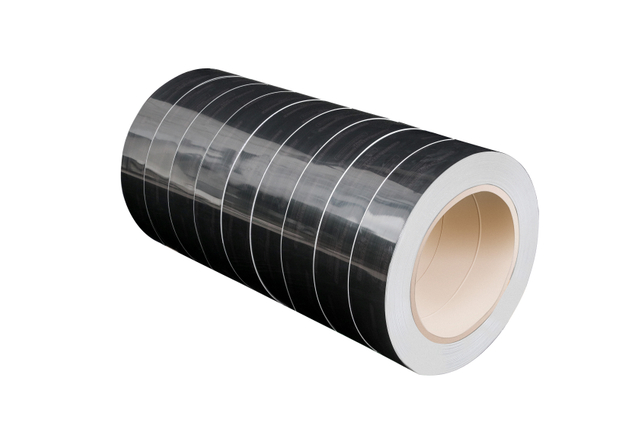
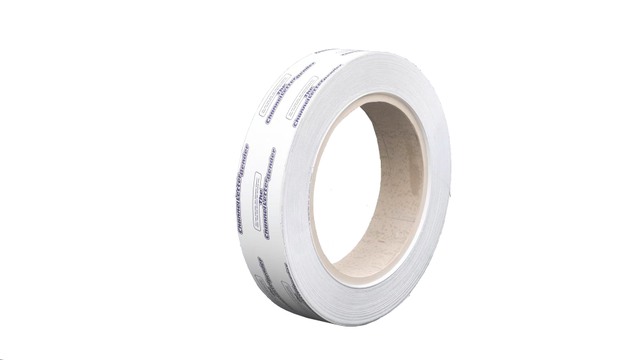
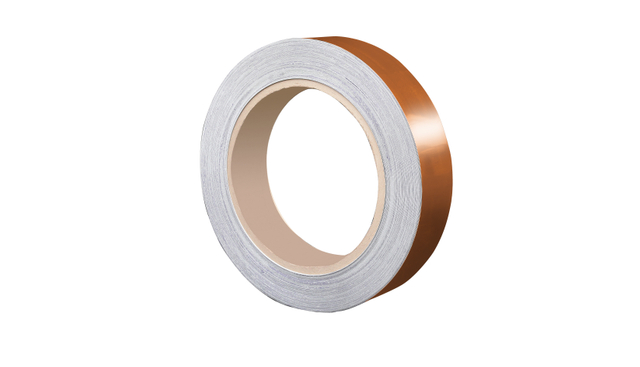
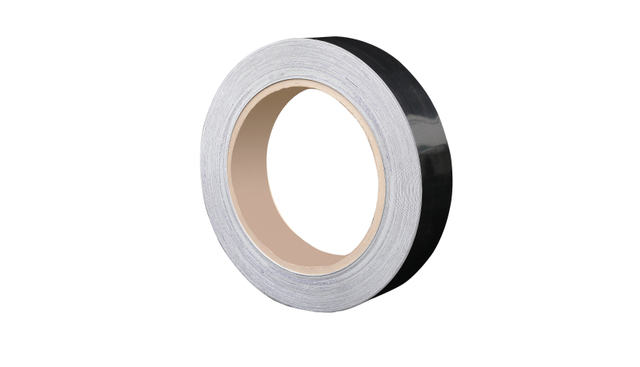
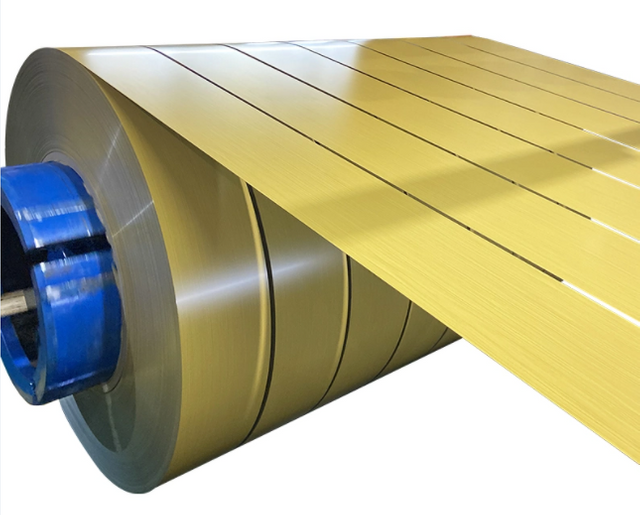
0.6–1.0mm channel letter aluminum coil is precision-slit strip designed for automatic and CNC channel-letter bending machines used to fabricate the returns or sidewalls of illuminated letters, trimless letters, halo-lit signage, reverse channel letters and three-dimensional commercial logos.
Available material options include AA3003-H14 and AA5052-H32, with standard thicknesses of 0.6mm, 0.7mm, 0.8mm and 1.0mm. Popular strip widths include 3.5 inches (89mm), 4.3 inches (110mm) and 5.3 inches (135mm), with custom widths available according to finished letter depth and bending-machine requirements.
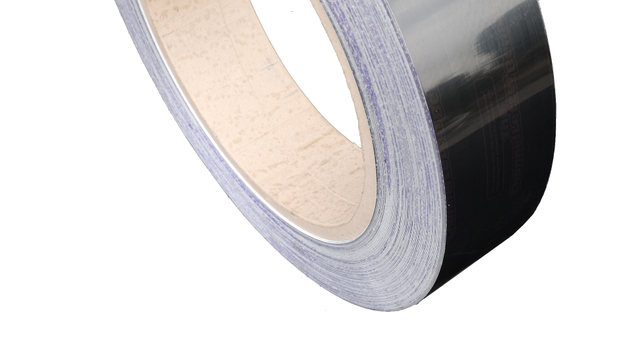
Painted surface options include white, black, metallic, brushed and custom colors. Polyester and polyurethane-based coating systems can be discussed according to forming requirements, appearance and indoor or outdoor service conditions.
For reliable automated production, the strip specification should be matched to the actual bending machine, including supported thickness, strip height, minimum bending radius, notching method, flange geometry, coil ID, maximum OD and winding direction.
Request Automated Bending Coil Pricing
Technical Item | Available Specification | Fabrication Notes |
Product Type | Prepainted Channel Letter Aluminum Return Coil | For automatic or CNC channel-letter bending |
Primary Alloy | AA3003 | Practical option where formability and moderate strength are required |
Alternative Alloy | AA5052 | Higher-strength option; tighter bends should be validated on the actual machine |
Temper | AA3003-H14 / AA5052-H32 | Final temper should match gauge and bend geometry |
Thickness | 0.6 / 0.7 / 0.8 / 1.0mm | Select according to letter size, stiffness and bender capacity |
Common Width | 3.5" / 89mm | For compatible shallow return designs |
Common Width | 4.3" / 110mm | Common return depth for general channel-letter fabrication |
Common Width | 5.3" / 135mm | For deeper returns and compatible larger letters |
Custom Width | Available according to production capability | Provide finished return depth and flange geometry |
Surface Coating | PU / PE Polyester according to order | Coating must remain compatible with post-forming |
Finish Options | White / Black / Brushed Silver / Gold / Matte / Custom | RAL, Pantone or physical reference can be used for color development |
Elongation | Current reference ≥12% | Confirm by alloy, temper, thickness and test method |
Thickness Tolerance | Project-specific | Define according to bending-machine requirements |
Width Tolerance | Project-specific | Precision slit width supports stable feeding |
Edge Burr | Controlled | Maximum allowable burr should be agreed for automatic feeding |
Camber | Controlled | Specify limit where long-strip tracking is critical |
Protective Film | Optional PE protective film | Recommended for high-gloss and appearance-sensitive colors |
Coil ID | Customized | Must match the customer's decoiler |
Maximum Coil OD | Customized | Confirm machine clearance and handling limit |
Coil Length / Weight | Customized | Mini-coil and production-roll formats can be discussed |
Automatic channel-letter benders feed narrow metal strip through clamping, measuring, notching, flanging and bending stations to produce the three-dimensional return of a letter.
Because machine designs vary, there is no single aluminum coil specification that is automatically compatible with every bender.
Many automatic benders process aluminum within approximately the 0.6–1.0mm range, while selected equipment can process thicker material. Notching and flanging operations can reduce the maximum allowable thickness.
The strip width or height must fit the machine feed system and should correspond to the required channel-letter return depth.
Small lettering and complex logos may require tight inside radii. The achievable radius depends on alloy, temper, thickness, coating flexibility and machine tooling.
Trimless and fold-edge letters can require notching or flange forming before bending. The material should be tested through the complete sequence rather than only through a simple flat-strip bend.
Thickness | Typical Selection Consideration |
0.6mm | Easier forming for compatible small and medium letters; confirm finished return stiffness |
0.7mm | Intermediate gauge balancing forming load and return-wall rigidity |
0.8mm | Common choice for automatic sign fabrication requiring additional stiffness |
1.0mm | Higher rigidity for larger or deeper returns; confirm machine capacity and minimum radius |
Thickness should not be selected from finished letter size alone. Bender model, flange design, alloy, temper, corner radius and joining method also affect the appropriate gauge.
AA3003-H14 provides a practical combination of moderate strength, corrosion resistance and sheet-metal formability and is a common starting option for automatic channel-letter return fabrication.
The 3003 alloy is generally suitable for bending and forming when the temper, thickness and tooling are matched correctly.
H14 provides greater stiffness than fully annealed aluminum while retaining useful forming capability for many channel-letter geometries.
For new automated bending projects requiring moderate gauge and relatively tight forming, AA3003-H14 is a practical specification to evaluate first.
AA5052-H32 offers greater strength and strong corrosion resistance compared with AA3003-H14, but the higher material strength can require increased bending force and larger minimum radii.
AA5052-H32 can be evaluated for larger sign components or applications requiring additional stiffness.
Its corrosion resistance can be useful in demanding environments when the complete coating, joints and installation system are also selected for the exposure.
For very small radii or aggressive flange geometry, AA5052-H32 should be tested on the actual CNC bender before it is approved for regular production.
Discuss Alloy & Thickness Selection
Strip width is a major factor determining the finished depth of the channel-letter return.
3.5-inch coil can be used for compatible shallower channel letters and sign designs where internal LED depth and face-retention geometry permit.
4.3-inch coil is widely used for general channel-letter fabrication and provides a practical return depth for many illuminated sign constructions.
5.3-inch coil can be selected for deeper channel letters, larger logos and applications requiring additional internal lighting space.
Trimless flanges, folded edges, trim-cap interfaces and other profile features can consume part of the raw strip width, so final return depth should be calculated from the actual profile design.
Channel-letter aluminum coil is normally used to form the metal return or sidewall of the letter.
Traditional trim cap is a separate face-retention component used around acrylic faces. Some modern fold-edge and trimless systems create face-retention features directly from the aluminum return material.
The aluminum strip forms the return, while a separate trim component secures the acrylic face.
The aluminum return can be notched and folded to create an integrated edge feature for compatible sign constructions.
Trimless letters use profile geometry that avoids a conventional external trim cap. Material thickness and flange-forming compatibility are particularly important for these systems.
Consistent strip width supports stable tracking through feed rollers and helps maintain repeatable letter-return depth.
Excessive slit-edge burr can interfere with machine feeding, flange forming and operator handling. A maximum burr limit should be included where the customer's machine is sensitive to edge quality.
Longitudinal strip curvature can cause tracking errors during long automatic feeds. Camber should therefore be controlled for precision CNC bending applications.
Uniform winding tension and controlled edge alignment help prevent telescoping, loose wraps and feed instability.
The aluminum substrate and organic coating are deformed together during channel-letter bending. Paint flexibility must therefore be evaluated using realistic sign-forming conditions.
A 90-degree corner does not have one universal material requirement. Actual strain depends on whether the machine notches the strip, the notch geometry, inside radius, gauge and alloy.
Continuous curves should be evaluated for surface wrinkling, springback and coating stress using the selected machine settings.
A defined bend or forming test can be used to verify that the selected coating remains acceptably adhered after deformation.
Coating performance depends on alloy, temper, gauge, bend radius, coating chemistry and machine tooling. Representative trials should establish the approved production window.
Polyester coating provides a practical combination of color flexibility, forming capability and outdoor durability for compatible signage applications.
Polyurethane-based systems can be considered where the required coating construction provides suitable flexibility, abrasion resistance and appearance.
UV resistance, chalking resistance and long-term color retention depend on the actual resin, pigment and coating construction. A generic paint designation alone should not be treated as a fixed service-life guarantee.
High-gloss white and black are practical options for many illuminated channel-letter systems and commercial sign programs.
Brushed metallic finishes can provide a premium decorative appearance for close-view interior or exterior signage.
Matte and compatible textured finishes can be developed according to the coating system and fabrication requirements.
RAL, Pantone or physical brand-color references can be used for color development. Appearance-critical programs should approve a physical production sample.
The exterior and interior surfaces of a channel-letter return can have different functional requirements.
A colored outside surface with a white inside can be discussed for compatible illuminated-letter designs where the internal white surface supports light management and a clean finished appearance.
Matching colors can be supplied where both sides remain visible or where a uniform appearance is preferred.
PE protective film can reduce scratches and handling damage during slitting, feeding, bending, riveting and assembly.
Protective-film adhesion should be strong enough for processing but allow clean removal without adhesive residue. Film type should also be compatible with any laser or cutting process used by the sign manufacturer.
Machine Parameter | Information to Provide |
Bender Brand | Manufacturer name |
Bender Model | Exact model number |
Maximum Thickness | Machine-rated aluminum gauge |
Strip Height Range | Minimum and maximum feed width |
Minimum Inside Radius | Required smallest radius |
Notching Method | V-groove / milling / punching / other |
Flanging | Yes / No / flange width |
Coil ID | Required decoiler size |
Maximum Coil OD | Physical equipment limit |
Maximum Coil Weight | Decoiler and operator handling limit |
Inspection Item | Recommended Verification |
Alloy & Temper | Verify AA3003-H14 or AA5052-H32 against order |
Thickness | Verify 0.6 / 0.7 / 0.8 / 1.0mm and agreed tolerance |
Strip Width | Verify finished slit width and tolerance |
Edge Burr | Measure where automatic feeding requires a maximum limit |
Camber | Measure where long-strip tracking is critical |
Mechanical Properties | Verify tensile and elongation where contractually required |
Coating Thickness | Verify according to approved paint specification |
Coating Adhesion | Evaluate by agreed cross-hatch or tape-test method |
Forming Performance | Run representative bends on approved machine configuration |
Color | Compare with approved physical master |
Gloss | Verify numerical target where specified |
Protective Film | Check adhesion and residue-free removal |
Coil Winding | Inspect telescoping, loose wraps and edge alignment |
A machine trial is recommended when a sign shop changes alloy, temper, gauge, coating system or strip width.
The test should use the actual automatic bender and include straight feeding, small-radius curves, inside and outside corners, notching and flanging where applicable.
Inspect the finished return for dimensional accuracy, excessive springback, edge distortion, cracks, coating damage, feed marks and surface scratches.
After approval, retain the same alloy, temper, thickness, slit width, coating, winding orientation and coil geometry for repeat production.
The coil can be formed into returns for illuminated letters using translucent acrylic or compatible face materials.
Compatible material can be notched, flanged and bent for selected trimless letter systems when the bender and profile geometry are properly matched.
Aluminum returns can be used for reverse-lit letters where LED illumination projects toward the mounting surface behind the letter.
Precision-slit strip can be formed into curved and angular logo contours for storefronts, shopping centers, hotels, offices and corporate identity programs.
Brushed, metallic, matte and custom colors can be used for compatible interior lettering and high-visibility display applications.
Outdoor sign durability depends on coating formulation, color, UV exposure, pollution, coastal salt, formed edges, assembly method and maintenance.
For signs exposed to strong sunlight, coating specifications should include appropriate color-retention and chalking requirements.
Coastal sign projects should consider coating selection, exposed edges, fasteners, joints and periodic cleaning because salt accumulation can increase corrosion risk.
A fixed outdoor service life should not be assigned from alloy or paint type alone. Any warranty should refer to the approved coating system and actual exposure conditions.
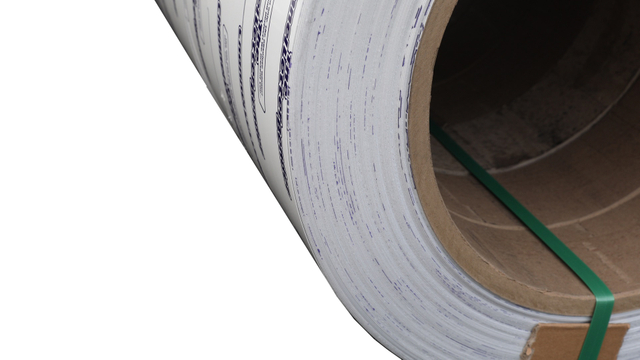
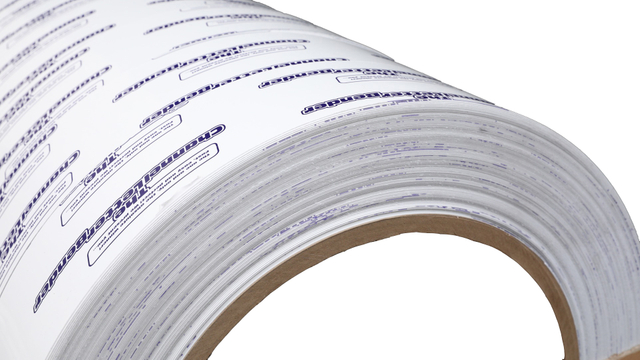
Channel-letter coils should be packed to protect the painted surface, slit edges and winding geometry during storage and international transport.
Protective film can be applied where required, and finished rolls can be wrapped against moisture and secured in cartons or on pallets according to roll dimensions and shipment method.
Distributor programs can include individual cartons, color labels, barcodes and custom packing according to agreed order requirements.
Please provide the automatic bending-machine brand and model, required letter-return depth and the minimum inside radius in your typical designs.
Specify the required thickness, strip width, AA3003-H14 or AA5052-H32 preference and any mechanical-property requirements.
Provide the notching method, flange requirement and whether the material will be used for trim-cap, fold-edge or trimless letter construction.
For painted material, provide exterior color, interior color, gloss, finish and protective-film requirements.
Provide coil ID, maximum coil OD, target roll length or weight, winding direction, quantity and destination.
It is precision-slit aluminum strip designed to feed through automatic channel-letter bending equipment and form the sidewalls or returns of three-dimensional letters.
The current product range includes 0.6mm, 0.7mm, 0.8mm and 1.0mm.
Common widths include 3.5 inches (89mm), 4.3 inches (110mm) and 5.3 inches (135mm), with custom slit widths available according to letter depth.
Not always. Flanges, folded edges and face-retention features can use part of the raw strip width.
AA3003-H14 generally provides easier forming for many channel-letter applications, while AA5052-H32 provides higher strength and can be considered where additional stiffness or corrosion resistance is required.
No. Machines differ in thickness range, material height, minimum radius, notching, flanging, feed system and coil dimensions. Provide the exact machine model before ordering.
Many machines can process 1.0mm aluminum, but allowable thickness depends on the specific machine and whether notching or flange forming is required.
Yes, compatible material and tooling can produce sharp letter corners, but actual corner geometry depends on machine notching, inside radius, gauge, alloy and coating flexibility.
No universal crack-free guarantee should be assumed. Coating performance should be verified using the intended material gauge and bending process.
Stable strip width helps maintain accurate tracking and consistent return depth during automated feeding.
Excessive burr can interfere with feed rollers, notching tools, flange formation and operator handling.
Excessive longitudinal curvature can cause tracking error during long automatic feeds and reduce finished-letter dimensional accuracy.
Protective PE film can be supplied for compatible painted or decorative finishes to reduce scratches during fabrication and transport.
Different colors on the two sides can be discussed subject to coating feasibility and order quantity.
RAL, Pantone or a physical brand standard can be used for compatible custom color development. A production sample is recommended for approval.
No. This product is aluminum return coil. Traditional trim cap is a separate face-retention component, although selected fold-edge and trimless systems form retention features directly in the aluminum strip.
Yes, where the alloy, thickness and strip profile are compatible with the machine's notching and flanging system.
A sample or trial coil is recommended for verifying feeding, notching, flanging, bending and coating performance before regular production.
Please provide machine brand and model, thickness, strip width, alloy and temper, minimum radius, flange requirement, colors, protective film, coil dimensions, quantity and destination.
If you manufacture LED channel letters, trimless signs, halo-lit letters or 3D logos using CNC channel-letter bending equipment, send us your machine and material specifications.
Available options include AA3003-H14 and AA5052-H32, 0.6–1.0mm thicknesses, 89mm, 110mm and 135mm common widths, custom colors, protective film and machine-ready coil configurations.
Products
Application
Quick links
Contact Us