3000 series
Dingang
7606125900
| Availability: | |
|---|---|
| Quantity: | |
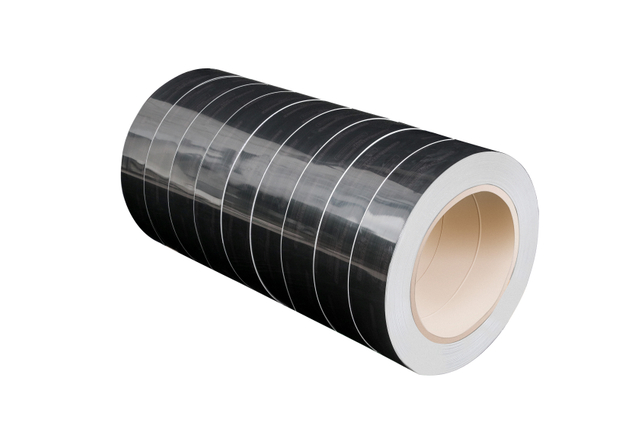
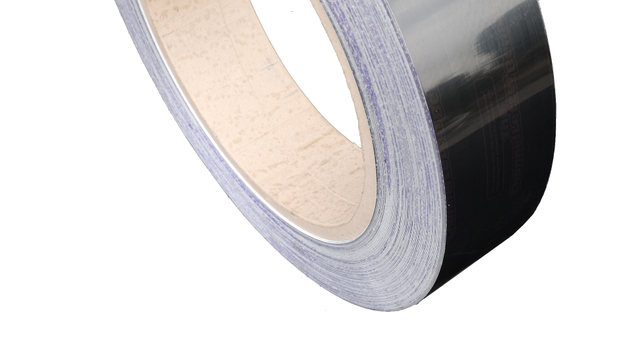
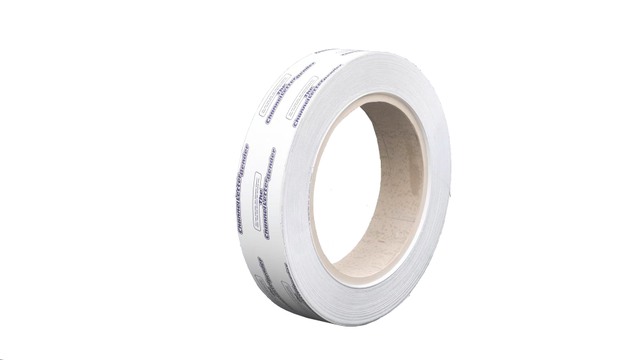
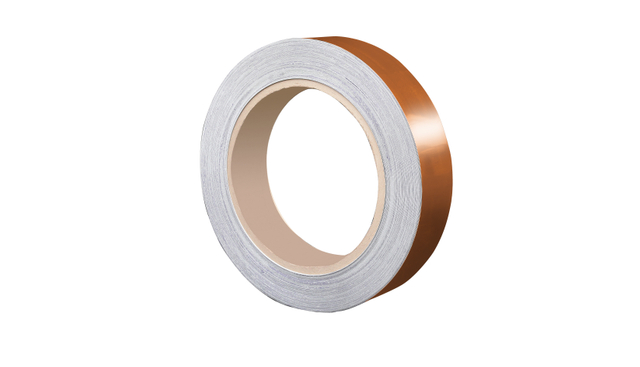
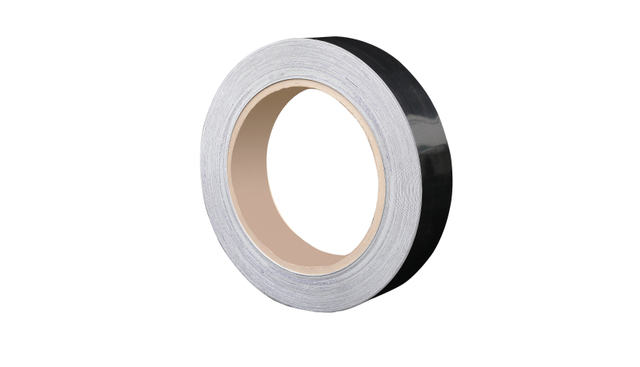
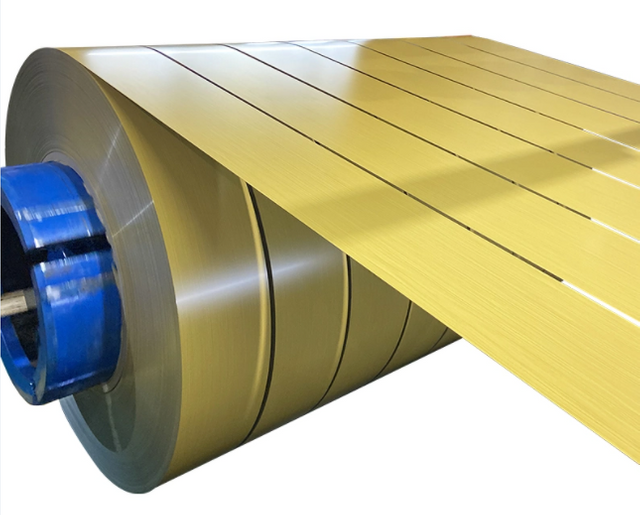
Prepainted channel letter aluminum coil is a narrow aluminum strip designed for fabricating the returns or sidewalls of three-dimensional channel letters, LED signs, trimless letters, halo-lit letters, reverse channel letters and commercial logo signage.
Available aluminum options include 1050, 1060, 3003, 3105, 5005 and 5052, with multiple tempers selected according to bending radius, letter depth, finished-letter stiffness and the type of manual or automatic bending equipment.
Standard production covers 0.4mm to 1.0mm thicknesses, with 0.5mm, 0.6mm and 0.8mm commonly used for compatible sign-making applications. Narrow widths from 30mm to 500mm can be slit according to letter-return depth and fabrication requirements.
PE and PVDF prepainted finishes, anodized-look, brushed and mirror surfaces, custom RAL or Pantone colors and single- or double-side coating configurations can be discussed according to indoor or outdoor service conditions.
For automatic channel-letter bending, the required thickness, width, alloy, temper, edge condition, coil ID and winding configuration should be matched to the actual bending-machine model before bulk production.
Request Channel Letter Coil Pricing
Specification | Available Range | Sign-Making Notes |
Product Type | Prepainted Channel Letter Aluminum Coil / Return Coil | For 3D and illuminated channel-letter sidewalls |
Aluminum Alloys | 1050 / 1060 / 3003 / 3105 / 5005 / 5052 | Select according to forming severity, stiffness and outdoor requirements |
Temper | O / H14 / H16 / H24 / H26 | Final temper should match alloy, gauge and bending-machine requirements |
Standard Thickness | 0.4–1.0mm | Common options include 0.5mm, 0.6mm and 0.8mm |
Special Thickness | Up to 2.0mm subject to confirmation | Equipment capacity and minimum bending radius must be checked |
Width | 30–500mm | Coil width is selected according to required letter-return depth |
Surface Treatment | PE / PVDF / Anodized / Brushed / Mirror | Select according to appearance and indoor/outdoor exposure |
Coating Configuration | Single Side / Double Side | Front and reverse sides can be specified separately where production allows |
Coating Thickness | 18μm / 25μm reference according to paint construction | Exact primer and topcoat build should be confirmed for the approved coating system |
Colors | Black / White / Red / Blue / Gold / Silver / Champagne / Grey / Custom | RAL, Pantone or physical master samples can be used for color development |
Gloss | Matte / Satin / Glossy according to paint system | Numerical gloss target recommended for repeat color programs |
Elongation | Reference range 15–40% | Actual value depends on alloy, temper, gauge and test method |
Coating Hardness | Project-specific | Pencil hardness should be specified according to the selected paint system |
Coil Inner Diameter | 150mm / 400mm / 500mm | Confirm compatibility with decoiler or bending-machine feed system |
Coil Weight | Customized | Bulk master coils and smaller recoiled sign-making rolls can be configured according to equipment |
Protective Film | Optional | Useful for high-gloss and appearance-sensitive surfaces |
MOQ | 1–2 metric tons reference | Final MOQ depends on alloy, width, coating and color |
Main Applications | LED Channel Letters / Trimless Letters / Halo-Lit Letters / 3D Logos | Final material selection depends on the selected letter system |
Channel letter aluminum coil is pre-slit aluminum strip used to create the vertical return walls of three-dimensional letters and logos.
Instead of purchasing a full-width sheet and slitting it in the sign workshop, manufacturers can order coil in widths matched to common letter depths, reducing secondary cutting and simplifying feeding into manual or automatic bending equipment.
The return is the vertical sidewall that gives a channel letter its three-dimensional depth and connects the front face or trim system to the back of the letter.
Pre-slit coil can reduce waste and eliminate the need for sign shops to cut full-width aluminum sheet into narrow strips before bending.
When width, thickness, edge condition, coil ID and winding are correctly specified, the material can be prepared for direct feeding into compatible channel-letter bending equipment.
Coil width is one of the main dimensions determining the depth of the finished channel letter.
The required strip width should be selected according to the finished return depth plus any flange, fold, trim or face-retention features used in the particular letter system.
Return Requirement | Selection Consideration |
Shallow Letters | Narrow strip can be selected for smaller indoor letters and compact logos |
Standard LED Letters | Width should provide sufficient internal depth for LED modules and even illumination |
Deep Channel Letters | Wider coil can provide greater return depth for larger signs or special lighting configurations |
Trimless Systems | Allow additional material for folding or flange geometry where required |
0.5mm material can be considered for smaller letters and designs requiring relatively easy bending. Finished rigidity should still be checked against letter depth and overall sign dimensions.
0.6mm is a commonly selected gauge for many general channel-letter applications because it provides a practical balance between forming capability and return-wall stiffness.
0.8mm material can provide additional stiffness for larger or deeper letters, provided the automatic or manual bending equipment can handle the selected alloy and temper.
Special gauges above 1.0mm require confirmation of minimum bend radius, notching method, flange geometry and machine capacity before ordering.
1xxx-series aluminum provides high aluminum content and good ductility and can be considered for compatible small-letter or indoor signage applications where high structural strength is not required.
AA3003 provides a useful balance of formability, moderate strength and corrosion resistance and is a practical starting option for many channel-letter returns.
AA3105 is widely used in coated architectural and signage products and can provide a useful combination of formability and strength for compatible channel-letter systems.
5xxx-series aluminum can provide higher strength and strong corrosion resistance. Because higher-strength tempers may require larger bending radii, forming performance should be verified with the actual letter-bending equipment.
Temper affects springback, bending force, corner definition and the risk of cracking during forming.
Softer material can be useful for tight curves and intricate small letters but may provide less rigidity during feeding and assembly.
H14, H16, H24 and H26 conditions provide different balances of strength and formability and should be selected together with alloy and thickness.
A bending trial is recommended before introducing a new alloy, temper or thickness into regular production, especially for small radii or complex letter shapes.
Automatic bending machines have different limits for strip thickness, width, coil ID, notching, flanging and minimum bending radius.
The machine brand and model should therefore be supplied before finalizing a new coil specification.
Consistent strip width helps maintain stable feeding and repeatable return depth throughout automatic production.
Controlled slit edges help reduce feed interference, handling hazards and visible irregularities at folded or joined edges.
Excessive strip camber can cause tracking problems during automatic feeding and can affect dimensional accuracy in long letter segments.
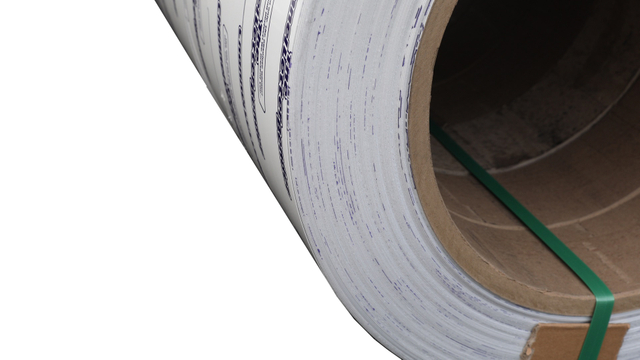
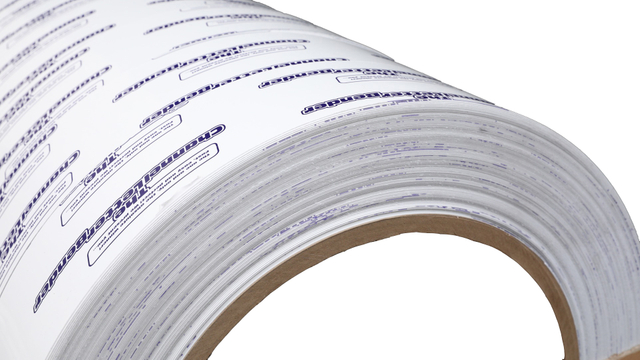
Coils should be wound evenly without excessive telescoping or edge damage so the strip unwinds consistently into the bending machine.
The minimum safe radius depends on alloy, temper, gauge and coating flexibility and should be established through forming tests rather than using one universal radius for every specification.
Trimless channel letters use return systems in which the front edge is folded, flanged or otherwise configured to retain the face without a conventional external trim cap.
The aluminum should be evaluated through the complete notching, bending and flange-forming sequence because edge geometry can create more severe deformation than simple flat bending.
Traditional trim-cap letters use a return wall combined with a separate trim component that secures the acrylic face.
Coil width, thickness and color should be selected to coordinate with the trim-cap profile and finished face color.
Front-lit channel letters commonly use translucent acrylic faces with LED modules installed inside the return.
Halo-lit or reverse channel letters commonly use an opaque metal face while light is directed toward the mounting surface behind the letter.
Where the internal return surface is visible or where light distribution is important, the reverse-side color can be specified separately from the exterior color when coating capability permits.
PE polyester coating is a practical choice for indoor signage and compatible general outdoor applications where extreme long-term weathering requirements are not specified.
PVDF coating can be considered for demanding outdoor signs, coastal areas or high-UV environments where stronger long-term color and weathering performance is required.
A fixed outdoor service life should not be assigned solely from the terms PE or PVDF. Actual performance depends on paint formulation, pigments, coating thickness, climate, sign orientation, fabrication and maintenance.
Channel-letter returns can require different colors on the exterior and interior surfaces.
Matching colors can be selected where both surfaces remain visible in the finished letter.
A colored exterior combined with a light interior can be discussed for compatible illuminated-letter designs.
Where production allows, front and reverse coating colors can be specified independently according to sign design and branding requirements.
Black, white, red, blue, gold, silver, champagne gold and grey are common signage colors, while custom colors can be developed using RAL, Pantone or physical references.
A physical coated sample is recommended where repeat brand-color matching is important.
Gold, silver and other metallic finishes can change appearance with viewing angle and lighting, so production samples should be approved before large orders.
Matte, satin and glossy finishes can be specified according to the selected coating system. A numerical gloss requirement can improve repeat-order consistency.
Brushed surfaces can provide a directional metallic appearance for premium indoor signs, logos and decorative lettering.
Mirror-finish aluminum can be used for appearance-driven signage where surface handling and scratch protection are carefully controlled.
Temporary protective film can reduce scratching during bending, assembly and transportation. Film adhesion and removal timing should be compatible with the finished coating.
Channel-letter material is bent after coating, so coating flexibility is just as important as color and outdoor durability.
A defined bend test can be used to confirm whether the coating remains intact at the required forming radius.
Cross-hatch or another agreed adhesion test can be specified to evaluate the bond between paint and pretreated aluminum.
Trial letters should be inspected at tight corners, flanges and notches for cracking, flaking or exposed aluminum.
Edge Parameter | Why It Matters |
Burr | Excessive burr can interfere with feeding, handling and flange formation |
Width Tolerance | Consistent strip width supports stable return depth and machine tracking |
Camber | Excessive longitudinal curvature can affect automatic feeding accuracy |
Edge Damage | Nicks can initiate cracks during tight bending |
Slit Cleanliness | Clean edges improve handling and finished-letter appearance |
Inspection Item | Recommended Control |
Alloy & Temper | Verify against approved production specification |
Thickness | Measure nominal gauge and agreed tolerance |
Strip Width | Verify required return-coil width |
Edge Burr | Control for safe handling and automatic feeding |
Camber | Control where long-strip tracking is important |
Surface Appearance | Inspect scratches, dents, coating streaks and visible defects |
Coating Thickness | Verify according to PE or PVDF paint specification |
Color | Compare against approved physical color master |
Gloss | Measure where numerical gloss has been specified |
Coating Adhesion | Evaluate by agreed adhesion test |
Bending Performance | Test on representative bending-machine setup |
Coil ID | Confirm compatibility with decoiler |
Winding Quality | Inspect telescoping, loose edges and winding consistency |
Protective Film | Check adhesion and clean removal where supplied |
Information | What to Provide |
Bending Machine | Brand and model |
Letter Return Depth | Required finished depth |
Thickness | Required gauge or existing material reference |
Minimum Bend Radius | Tightest inside radius in the letter design |
Notching Method | Machine notch / manual notch / other process |
Flanging Method | Trimless flange / trim-cap / flat return |
Coil ID | Required decoiler size |
Maximum Coil OD | Equipment handling limit |
Roll Length / Weight | Preferred production and handling format |
Assembly Method | Stapled / clinched / welded / adhesive bonded |
Send Your Bending Machine Specification
Prepainted aluminum returns are widely used for illuminated retail and storefront lettering where consistent color and clean forming are required.
Custom colors and surface finishes can be matched to compatible indoor and outdoor brand-sign programs.
Narrow aluminum strip can be bent into custom logo returns and letter shapes for architectural branding and commercial identity systems.
The return coil can be used with opaque metal faces and rear-mounted LED lighting for halo-effect signage.
Brushed, mirror, metallic and custom painted finishes can be considered for close-view interior signs and display graphics.
Outdoor performance depends on the coating system, alloy, exposed edges, sign orientation, installation environment and maintenance.
Where signs receive strong long-term sunlight, specify coating performance and color-retention requirements rather than relying only on a general “outdoor coating” description.
Coastal signage requires attention to coating selection, cut edges, fasteners, joints and cleaning because airborne salt can increase corrosion risk.
Any formal coating warranty should be based on the actual paint system, color, geographic location, exposure and coating supplier's terms.
Channel-letter coils should be packed to protect painted surfaces and slit edges during transport.
Moisture-resistant wrapping, cartons, edge protection and pallet packing can be selected according to finished coil dimensions and shipment method.
Store coils in a clean, dry indoor location and protect the painted surface from water, condensation, abrasive debris and heavy loads.
For distributor programs, individual cartons, color labels, barcodes, batch identification and private-label packaging can be discussed according to order requirements.
Please provide the channel-letter type, required return depth, aluminum thickness and finished strip width.
Provide the bending-machine brand and model, minimum bend radius, notching method and whether the material requires a trimless flange.
Specify alloy and temper if already defined, or provide an existing material sample for forming comparison.
For coated material, provide PE or PVDF preference, exterior and interior colors, gloss, RAL/Pantone reference and protective-film requirements.
Provide coil ID, maximum OD, preferred roll length or weight, quantity and shipping destination.
It is narrow aluminum strip used to make the sidewalls or returns of three-dimensional channel letters and commercial signage.
0.5mm, 0.6mm and 0.8mm are commonly selected within this product range. The correct gauge depends on letter size, depth, stiffness and bending-machine capacity.
Width should be selected according to the required letter-return depth plus any flange, fold or trim geometry in the selected channel-letter system.
AA3003 and AA3105 are practical starting options for many sign returns because they balance formability and strength. 1xxx-series material can be useful for easier forming, while AA5052 can provide higher strength for compatible applications.
It can be configured for compatible automatic bending equipment. Provide the machine model, maximum thickness, width, coil ID, notching method and minimum radius before ordering.
No. Machines differ in gauge limits, width range, feed system, coil ID, flange tooling and minimum bend radius.
Coating performance depends on paint flexibility, alloy, temper, thickness and bend radius. A representative bending test is recommended before bulk production.
Excessive burr can affect automatic feeding, handling and flange formation and may create visible irregularities at the finished edge.
Excessive longitudinal curvature can cause strip tracking problems during automatic bending and affect accuracy in longer letter segments.
Trim-cap systems use a separate trim to hold the acrylic face. Trimless systems use a folded or flanged return geometry and therefore require different forming and width allowances.
Different front and reverse colors can be discussed subject to coating feasibility and order requirements.
Yes, this configuration can be discussed where production capability and the selected coating system support it.
RAL, Pantone and physical customer samples can be used for compatible custom color development. Production sample approval is recommended.
PVDF is generally selected for more demanding UV, coastal and exterior weathering conditions. PE can be appropriate for indoor and compatible general outdoor applications.
No universal lifespan applies to every PVDF-coated sign. Actual performance depends on coating formulation, color, environment, fabrication, installation and maintenance.
Brushed and mirror surface options are available for compatible decorative signage applications.
Protective film can be discussed to reduce scratching during bending, handling and transportation.
The available product range lists 150mm, 400mm and 500mm inner diameters. Machine compatibility should be confirmed before ordering.
Recoiled or smaller-roll supply can be discussed according to finished width, length, weight, packaging and distributor requirements.
A sample bending trial is recommended before approving a new alloy, temper, thickness or coating for regular production.
The current reference is approximately 1–2 metric tons. Final MOQ depends on alloy, thickness, width, coating, color and roll configuration.
Please provide thickness, return depth or strip width, bending-machine model, alloy and temper if specified, color, coating, coil ID, roll size, order quantity and delivery destination.
If you manufacture LED channel letters, trimless signs, halo-lit letters, 3D logos or commercial signage, send us your bending-machine and return-coil requirements.
Available options include 1050, 1060, 3003, 3105, 5005 and 5052 aluminum, 0.4–1.0mm common gauges, 30–500mm widths, PE/PVDF coatings, custom colors and machine-ready slit coils.
Products
Application
Quick links
Contact Us