1000 series
dingang
7606125900
| Availability: | |
|---|---|
| Quantity: | |
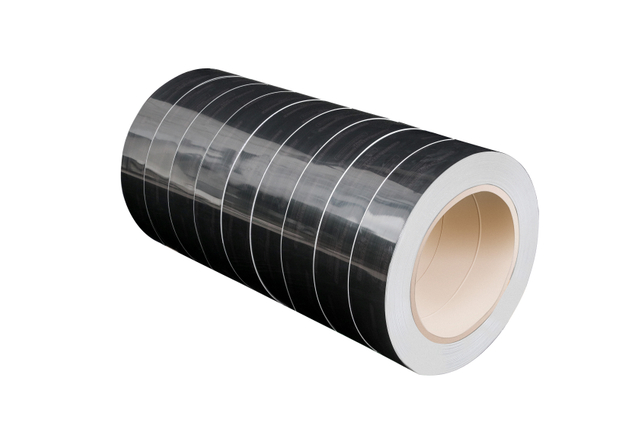
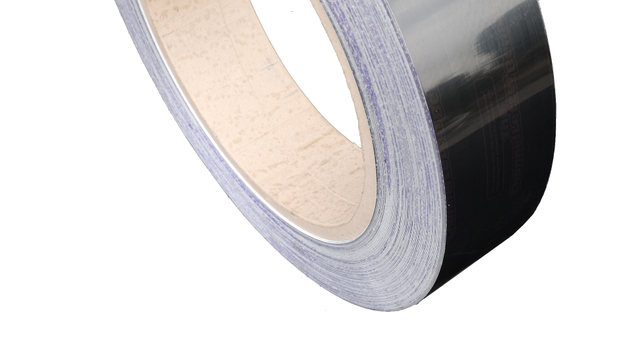
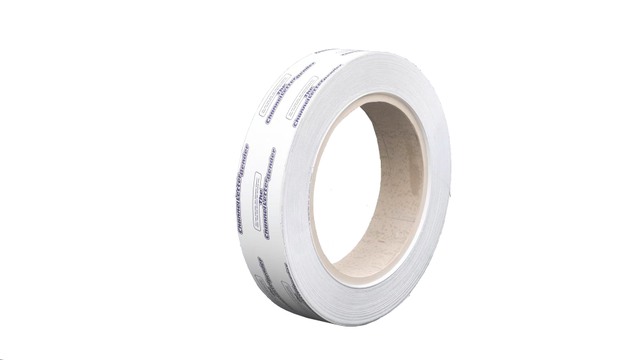
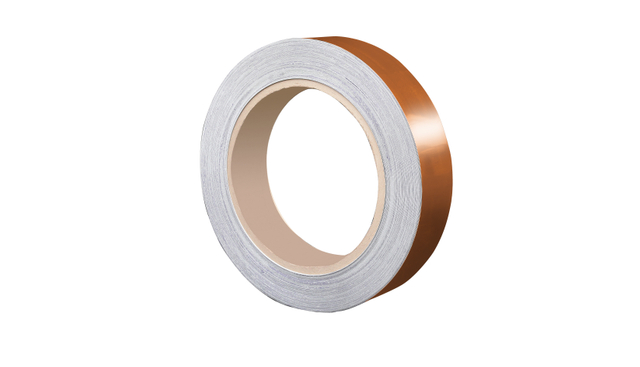
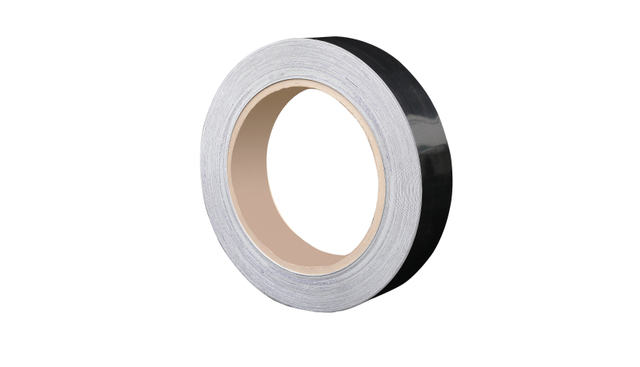
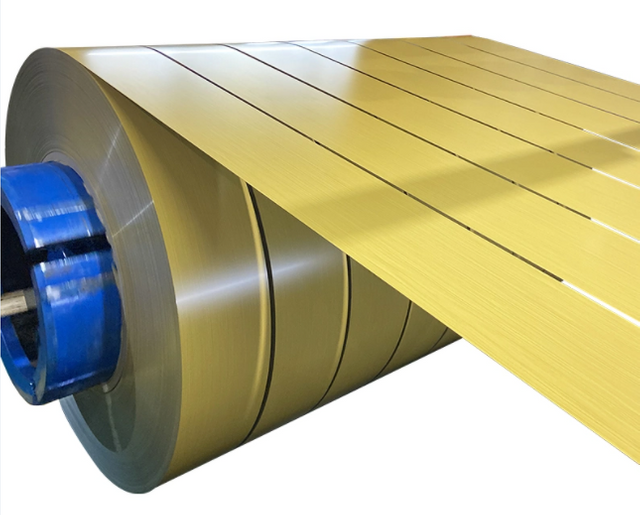
Lightweight channel letter aluminum coil is a prefinished narrow aluminum strip used to form the returns, or sidewalls, of three-dimensional LED channel letters. It is designed for sign manufacturers using manual or automatic bending equipment to produce storefront letters, front-lit signs, halo-lit letters, reverse channel letters and other dimensional signage.
Available aluminum options include 1050, 1060, 3003, 3105, 5005 and 5052, with different tempers selected according to letter size, return depth, minimum bend radius and required finished rigidity. For many general channel-letter applications, formable 3003 or 3105 aluminum provides a practical balance of bending performance, corrosion resistance and dimensional stability.
Thickness, strip width, color, coating system, inside and outside finish, coil diameter and roll weight can be customized according to the channel-letter bending machine and finished sign design. PE polyester and PVDF coating options are available together with brushed, metallic and other decorative finishes.
Request Channel Letter Aluminum Coil Pricing
Specification | Available Options | Selection Guidance |
|---|---|---|
Product Type | Prepainted Channel Letter Aluminum Coil | For returns and sidewalls of 3D and LED channel letters |
Aluminum Alloys | 1050 / 1060 / 3003 / 3105 / 5005 / 5052 | 3003 and 3105 are practical choices for many general sign-return applications; 5052 can be considered where higher strength is needed |
Temper | O / H14 / H16 / H24 / H26 or project-specific | Select according to alloy, gauge, machine capability and required bend radius |
Thickness | 0.4–1.0 mm standard range; selected heavier gauges available | 0.5–0.8mm is common for many lightweight sign systems; thicker material provides greater rigidity but requires more bending force |
Strip Width | 30–500 mm customized | Common channel-letter programs use approximately 50–200mm widths; width is selected according to required letter return depth |
Return Depth | Determined by coil width and edge profile | Allow for flange, folded edge or face-retention profile when calculating finished return depth |
Coating | PE Polyester / PVDF / Application-Specific Finish | PE is widely used for general signage; PVDF can be specified for demanding exterior exposure |
Coating Side | Single-Side / Double-Side | Exterior and interior colors can be configured separately where production permits |
Typical PE Coating Thickness | Approx. ≥18 μm when specified | Final film thickness follows the approved coating construction |
Typical PVDF Coating Thickness | Approx. ≥25 μm when specified | For higher-performance exterior sign applications |
Standard Colors | White / Black / Red / Blue / Silver / Gold / Grey / Custom | RAL, PANTONE and approved physical samples can be used for color matching |
Inside / Outside Color | Same or different colors available according to coating feasibility | White inside with colored exterior is a practical option for many illuminated-letter programs |
Surface Finish | Painted / Brushed / Metallic / Mirror / Custom | Select according to sign design and forming process |
Edge Condition | Precision slit / Low-burr edge | Important for stable automatic feeding and safe fabrication |
Formability | Alloy- and temper-dependent | Minimum bend radius should be tested with the selected alloy, temper, thickness and coating |
Elongation | According to alloy, temper and gauge | A single elongation range should not be applied across all available alloy and temper combinations |
Coil ID | Customized according to machine/decoiler | Provide machine model and required core size before ordering |
Coil OD | Customized | Maximum OD must be compatible with the bending-machine decoiler |
Roll Weight | Small and medium rolls customized to equipment requirements | Channel-letter machines typically require manageable rolls rather than heavy mill-size coils |
Packing | Carton / Pallet / Export Protective Packing | Small-roll carton programs can be discussed for distributors and sign shops |
MOQ | 1–2 tons for current product program | Trial or mixed-color programs should be confirmed according to specification |
Final alloy, temper, thickness, strip width, roll dimensions and coating requirements should be selected together with the channel-letter bending machine and finished letter design. Machine compatibility should be confirmed before bulk production.
Send Your Channel Letter Coil Specification
Channel letter aluminum coil is a narrow prefinished aluminum strip used to create the vertical returns of dimensional letters. The return gives the letter its depth and forms the enclosure that holds LED modules, wiring and other internal components in illuminated sign systems.
Instead of cutting return material from wide sheet, sign manufacturers can feed a narrow strip coil directly into a compatible bending or notching machine. This improves material utilization and can increase production efficiency for repeated letter fabrication.
Strip width is one of the most important purchasing parameters because it determines the approximate return depth of the finished letter. Wider coil produces deeper letters, while narrower coil is used for shallower signs.
The relationship is not always one-to-one because some channel-letter systems require part of the coil width for a flange, folded edge, trim-cap profile or other face-retention feature.
Approximate Coil Width | Typical Use | Buyer Check |
|---|---|---|
50–60 mm | Shallow or small dimensional letters | Confirm LED clearance and minimum machine width |
80–100 mm | Common medium-depth channel letters | Confirm flange or folded-edge allowance |
120–150 mm | Deeper storefront and exterior letters | Check machine maximum width and letter geometry |
150–200 mm+ | Large or deep dimensional letters | Verify bending force, structural rigidity and equipment capacity |
Commercially pure 1xxx-series aluminum offers good corrosion resistance and high formability. It can be considered for lightweight channel letters and compatible profiles where easy bending is more important than maximum rigidity.
AA3003 is an aluminum-manganese alloy commonly used for fabricated products. It provides a useful balance of strength, corrosion resistance and formability and is a practical starting point for many channel-letter return applications.
AA3105 is widely used as a substrate for prepainted aluminum products. In a suitable formable temper it can provide consistent coating performance and sufficient rigidity for many sign-return and trim applications.
AA5052 offers higher strength than common 1xxx- and 3xxx-series choices and good corrosion resistance. It can be considered for larger letters or applications requiring higher finished rigidity, but the selected temper and gauge should be checked carefully against bending-machine capability and minimum bend radius.
Channel-letter coil thickness directly affects bending force, dent resistance and finished-letter rigidity. There is no single thickness that is correct for every sign.
Thickness | General Characteristic | Typical Consideration |
|---|---|---|
0.4–0.5 mm | Lightweight and easy to form | Small letters, tight curves and compatible automatic benders |
0.6–0.8 mm | Balanced formability and rigidity | General channel letters and many outdoor sign applications |
0.9–1.0 mm | Higher rigidity | Larger letters where the selected machine can handle the gauge |
Above 1.0 mm | Heavy-duty construction | Requires confirmation of machine bending force, notching and flange capability |
Automatic channel-letter bending machines differ in feeding method, maximum material thickness, supported strip width, minimum bending radius, notching design, flanging mechanism and coil-holder capacity. A coil that runs correctly on one machine may not be suitable for another.
For this reason, buyers should provide the machine brand and model whenever possible. The material can then be reviewed against the required strip width, thickness, temper, coil ID, outside diameter and finished edge configuration.
Strip width and width tolerance
Material thickness
Alloy and temper
Edge burr
Camber and strip straightness
Coil winding consistency
Core diameter
Maximum roll outside diameter
Maximum roll weight
Feature | PE Polyester | PVDF |
|---|---|---|
Positioning | Cost-effective general sign coating | Higher-performance exterior coating |
Typical Film Thickness | Approx. ≥18 μm when specified | Approx. ≥25 μm when specified |
Typical Use | Indoor signage and general commercial channel letters | Demanding exterior signage and high-UV exposure |
Color Options | RAL / PANTONE / Custom | RAL / PANTONE / Custom |
Selection | Budget, indoor/outdoor exposure and required appearance | UV level, climate and required long-term exterior performance |
PE or PVDF coating should not be selected from a fixed service-life number alone. Actual outdoor performance depends on pretreatment, coating formulation, pigments, film thickness, UV exposure, climate, orientation and maintenance.
Channel-letter returns can be supplied with the same color on both sides or with different inside and outside colors where coating construction permits.
For illuminated letters, a light-colored or white interior surface is often selected to help maintain a clean internal appearance and can support optical efficiency within the sign enclosure. The exterior surface can then be matched to the brand or facade color.
RAL, PANTONE and physical reference samples can be used for custom color matching. A production sample is recommended where brand-color consistency is critical.
Small channel letters and complex fonts often include tight curves and acute corners. Successful bending depends on the complete combination of alloy, temper, material thickness, coating flexibility, bend radius and machine tooling.
T-bend testing can be specified to evaluate coating flexibility, but a universal 1T result should not be applied to every alloy, temper, coating and gauge. The required bend performance should be agreed according to the actual channel-letter profile.
Coating adhesion can be evaluated before and after forming using an agreed test method. Sign manufacturers producing tight-radius letters should validate the painted surface with production-representative bends.
Low-burr slit edges reduce handling risk and help material feed consistently through notching and bending equipment. Burr requirements can be included in the purchase specification where precision automatic processing is required.
Prepainted aluminum return coil can be used to create the sidewalls surrounding acrylic or other compatible illuminated faces for retail storefronts, shopping centers, restaurants and branded commercial buildings.
Compatible strip can be supplied for trimless letter systems where the return profile incorporates the required face-retention or folded-edge geometry. Width and edge configuration should be matched to the forming system.
Aluminum return coil can also be used in reverse or halo-lit letters where LED modules illuminate the wall behind the sign. The required return depth should provide sufficient internal space for LEDs, wiring and mounting hardware.
The same narrow aluminum strip can be used for compatible three-dimensional non-illuminated letters and logo structures where a lightweight decorative return is required.
Outdoor storefront signs, rooftop letters and commercial identity systems can use prepainted aluminum returns when alloy, gauge, coating and structural design are suitable for the installed environment.
The aluminum return forms the structural enclosure around the LED system, but it does not by itself determine brightness, light transmission or uniform illumination. LED module spacing, module output, letter depth, face material, interior reflectance and power-supply design all influence the final lighting result.
For this reason, channel-letter coil should be selected primarily for forming, dimensional, surface and environmental requirements, while the LED system should be engineered separately for the required sign brightness and illumination uniformity.
Consistent width helps maintain stable guiding, notching and bending. Tight width tolerance can be specified for automatic production lines where strip movement affects finished letter accuracy.
Uniform thickness supports repeatable bending force and helps reduce unexpected variation in corner geometry. Thickness tolerance should be matched to machine sensitivity.
Excessive lateral curvature can affect automatic feeding and profile accuracy. Camber requirements can be agreed for demanding machine-processing applications.
Even winding and aligned strip edges help material unwind smoothly without telescoping or sudden lateral movement. Roll dimensions should also be matched to the coil holder.
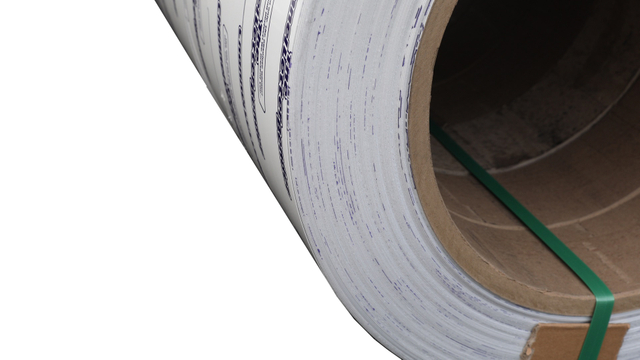
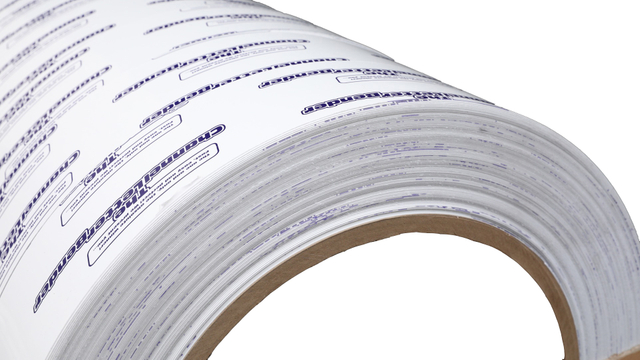
The visible return surface should be protected from severe scratches and coating damage during slitting, rewinding, packing and transport. Packaging should prevent adjacent coils and edges from rubbing during shipment.
Unlike broad architectural coil, channel-letter material is often more convenient when supplied in manageable rolls that sign shops can place directly on a bending-machine decoiler.
Small-roll programs, individual cartons, palletized cartons, product labels and private-label packaging can be discussed for distributors and repeat sign-material programs. Required roll length, weight tolerance and carton dimensions should be included in the quotation request.
For an accurate quotation and reliable machine match, provide as much of the following information as possible:
Channel-letter bending machine brand and model
Required aluminum alloy if specified
Required temper if specified
Material thickness
Strip width or finished letter return depth
Smallest expected bend radius
Flat, folded-edge, flanged or other return profile
PE or PVDF coating requirement
Exterior color
Interior color
RAL, PANTONE or physical color reference
Matte, glossy, brushed or metallic finish
Required edge and burr limits
Coil inside diameter
Maximum coil outside diameter
Preferred roll length or roll weight
Carton or pallet packaging requirement
Indoor or outdoor application
Order quantity
Destination port or delivery location
Get a Custom Channel Letter Coil Quote
Strip thickness, width, alloy, temper and roll dimensions can be reviewed against the customer's channel-letter bending machine instead of supplying one generic specification for every machine.
Precision slitting allows coil width to be developed around the required letter return depth, reducing unnecessary trimming and simplifying sign-shop production.
Color programs can be developed using RAL, PANTONE or approved physical samples. Different inside and outside finishes can also be discussed where technically feasible.
Coating systems can be matched to indoor or exterior exposure, required appearance and forming performance.
Small rolls, individual cartons, labels and repeat color programs can be discussed for sign-material distributors and OEM customers.
It is narrow aluminum strip used to form the returns or sidewalls of three-dimensional channel letters. These returns form the enclosure around LED modules and provide depth to the finished sign.
There is no single best alloy for every sign. 3003 and 3105 in suitable formable tempers are practical choices for many channel-letter applications. 1xxx-series aluminum can provide higher formability, while 5052 can provide greater strength for suitable larger or more demanding signs.
Lightweight channel-letter systems commonly use material around 0.5–0.8mm, while thicker 0.9–1.0mm and heavier materials can provide additional rigidity for larger letters. The bending-machine capacity must be checked before selecting the gauge.
Start with the required finished return depth. Then allow for any flange, folded edge or face-retention profile required by the channel-letter system. The resulting width must also be within the bending machine's supported range.
No. Machines differ in maximum width, thickness, material hardness, minimum radius, notching system, flanging capability and coil-holder size. Providing the machine model before ordering is strongly recommended.
Yes, different interior and exterior colors can be discussed where the selected coating process supports the required combination. White interiors and colored exteriors are commonly requested for illuminated-letter programs.
Yes. RAL, PANTONE and approved physical samples can be used for color development. A production sample is recommended where exact corporate-brand matching is required.
PVDF is generally selected where stronger long-term UV and exterior weathering performance is required. PE polyester is a cost-effective solution for many general signage applications. Final selection depends on climate, exposure and required appearance.
A fixed service life cannot be determined from the coating name alone. Performance depends on pretreatment, resin system, pigment, film thickness, UV exposure, climate, pollution, sign orientation and maintenance.
Bend performance depends on alloy, temper, thickness and coating system. A 1T result should therefore be specified and tested for the exact material construction rather than assumed for every channel-letter coil.
Low-burr edges improve handling safety and can help narrow strip feed more smoothly through automatic notching and bending equipment. Edge requirements are especially important on high-speed production lines.
Yes. Roll dimensions and weight can be configured according to compatible bending machines and distributor requirements. Small-roll and carton-packed programs can be discussed for sign shops and resale channels.
Brushed, metallic and other decorative finishes can be discussed according to alloy, coating and forming requirements. The finish should be tested where tight bending could affect appearance.
The return material forms the sign enclosure but does not independently determine brightness. LED output, module spacing, letter depth, face material and interior reflectance all influence final illumination.
Please provide bending-machine model, thickness, strip width or required return depth, alloy and temper if specified, exterior and interior colors, coating type, finish, core size, maximum roll dimensions, preferred roll weight, quantity and destination.
Yes. Testing production-representative material on the actual bender is recommended when using a new alloy, gauge, coating, return profile or tight-radius design. This confirms feeding, notching, bending and coating performance before bulk production.
Products
Application
Quick links
Contact Us