Selecting the right fence for industrial areas, factories, parks, or commercial properties is more important than many people realize. A fence is not only a boundary marker but also an essential part of security, safety, appearance, and long-term maintenance costs.
Two of the most common fencing materials today are color aluminum fences and iron fences. Both options offer unique advantages, but they also differ significantly in durability, maintenance, cost, aesthetics, and installation requirements.
Understanding these differences will help property owners, architects, contractors, and facility managers choose the best solution for their projects.
This guide provides a detailed comparison between color aluminum fencing and iron fencing, helping you determine which one is the better investment for factory areas, parks, and other commercial spaces.
What Is a Color Aluminum Fence?
A color aluminum fence is a modern fencing solution made from aluminum alloy that has been treated with advanced coating technologies such as powder coating, polyester coating, or PVDF coating. These protective layers provide durability, corrosion resistance, and long-lasting color performance.
Color aluminum fencing systems are widely used in:
Industrial parks
Manufacturing facilities
Warehouses
Residential communities
Public parks
Schools and stadiums
Commercial buildings
Unlike traditional metal fencing, pre-painted aluminum fencing combines strength, lightweight construction, and modern aesthetics.
Key Features of Color Aluminum Fencing
Rust-resistant aluminum alloy structure
Long-lasting powder-coated or color-coated finish
Lightweight but strong material
Wide variety of styles and colors
Low maintenance requirements
Easy installation
Because of these advantages, decorative aluminum fence systems have become increasingly popular worldwide.
What Is an Iron Fence?
Iron fencing, particularly wrought iron fencing, has been used for centuries. It is known for its traditional look, strength, and solid construction. Iron fences are commonly seen in historic buildings, government facilities, and classic architectural landscapes.
Typical iron fence materials include:
Iron fences are often valued for their classic design and premium appearance, but they also require more maintenance compared to aluminum fencing.
Color Aluminum Fence vs Iron Fence: Key Differences
When deciding between these two fencing materials, it is important to evaluate several factors, including durability, maintenance, aesthetics, installation, cost, and security.
1. Durability and Weather Resistance
Durability is one of the most important considerations when installing fencing in outdoor environments such as factories or parks.
Iron Fence Durability
Iron fences are extremely strong and can withstand heavy impact. However, iron has a major weakness: rust and corrosion.
When exposed to:
Rain
Humidity
Snow
Industrial pollution
Coastal salt air
iron begins to oxidize and rust. Over time, this corrosion can weaken the structure and damage the appearance of the fence.
To maintain iron fences, owners must:
Without proper maintenance, iron fences can deteriorate relatively quickly.
Color Aluminum Fence Durability
Color aluminum fences are highly resistant to corrosion. Aluminum naturally forms a protective oxide layer, preventing rust and structural damage.
Additionally, modern coatings such as:
Powder coating
PVDF coating
Polyester coating
provide an extra layer of protection against:
UV radiation
Rain
Pollution
Temperature changes
Because of this, color coated aluminum fencing systems can last for decades with minimal deterioration.
Verdict
For environments with high humidity, rain, or industrial exposure, color aluminum fencing offers superior long-term durability.
2. Maintenance Requirements
Maintenance costs can significantly impact the long-term value of fencing systems.
Iron Fence Maintenance
Iron fences require frequent upkeep, including:
Rust removal
Surface treatment
Painting or repainting
Protective coatings
In industrial areas, pollution and chemicals can accelerate corrosion, increasing maintenance needs.
Over time, maintenance costs may exceed the original installation cost.
Color Aluminum Fence Maintenance
One of the biggest advantages of aluminum fencing is its low maintenance.
Routine care usually includes:
Occasional washing with water
Simple cleaning with mild detergent
Visual inspection of connections
There is no need for repainting or rust treatment.
Because of this, powder coated aluminum fences are widely used in large commercial and industrial facilities where maintenance budgets must be controlled.
Verdict
Color aluminum fences are significantly easier and cheaper to maintain.
3. Aesthetic Appeal and Design Flexibility
Fences are not only functional but also contribute to the overall visual identity of a space.
Color Aluminum Fence Appearance
Modern color aluminum fences offer a wide variety of design possibilities, including:
Matte finishes
Metallic finishes
Wood-grain effects
Custom colors
Architects and designers often choose aluminum fencing for projects requiring modern or customized aesthetics.
Common color options include:
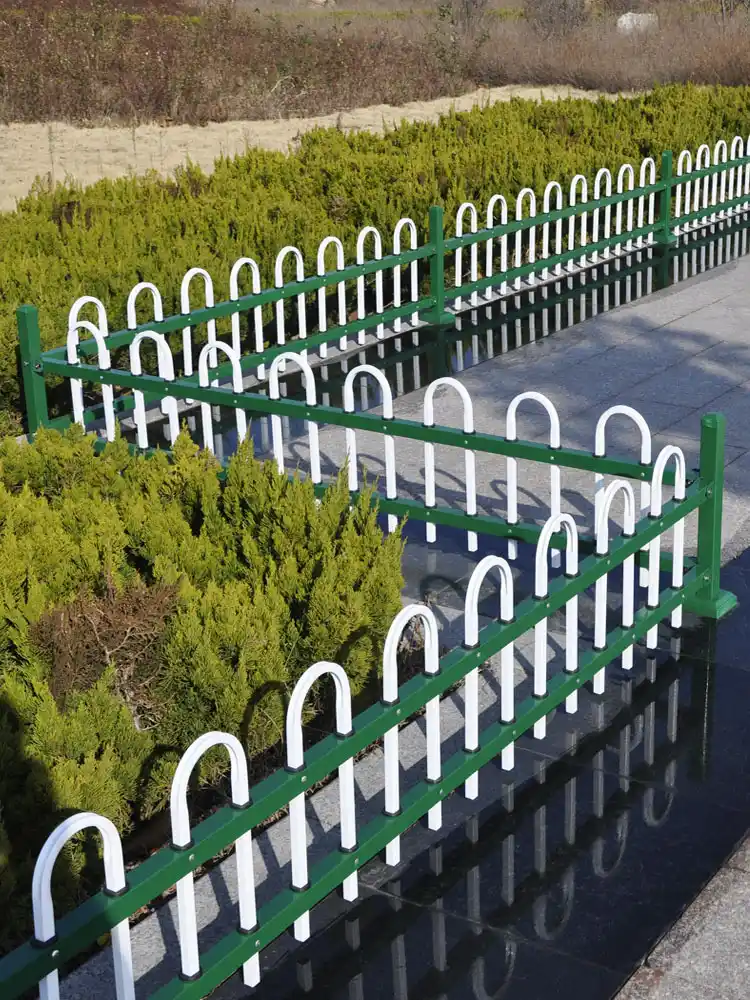
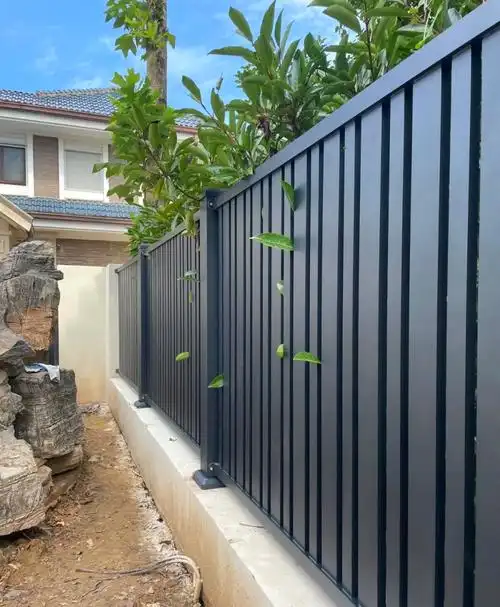
Black
White
Bronze
Dark green
Custom RAL colors
Advanced manufacturing also allows aluminum fences to imitate the appearance of traditional wrought iron while maintaining modern performance.
Iron Fence Appearance
Iron fences are traditionally associated with classic elegance. Wrought iron designs often include:
Decorative scrolls
Ornamental patterns
Historic styles
These features make iron fencing suitable for heritage buildings or classical landscapes.
However, iron fences usually rely on paint finishes, which may:
Fade over time
Chip or peel
Require repainting
Verdict
For design flexibility and color variety, color aluminum fences offer more options.
4. Installation Efficiency
Installation efficiency can significantly affect project timelines and costs.
Iron Fence Installation
Iron fences are heavy and difficult to handle. Installation often requires:
Transport and installation costs can be high due to the material weight.
Color Aluminum Fence Installation
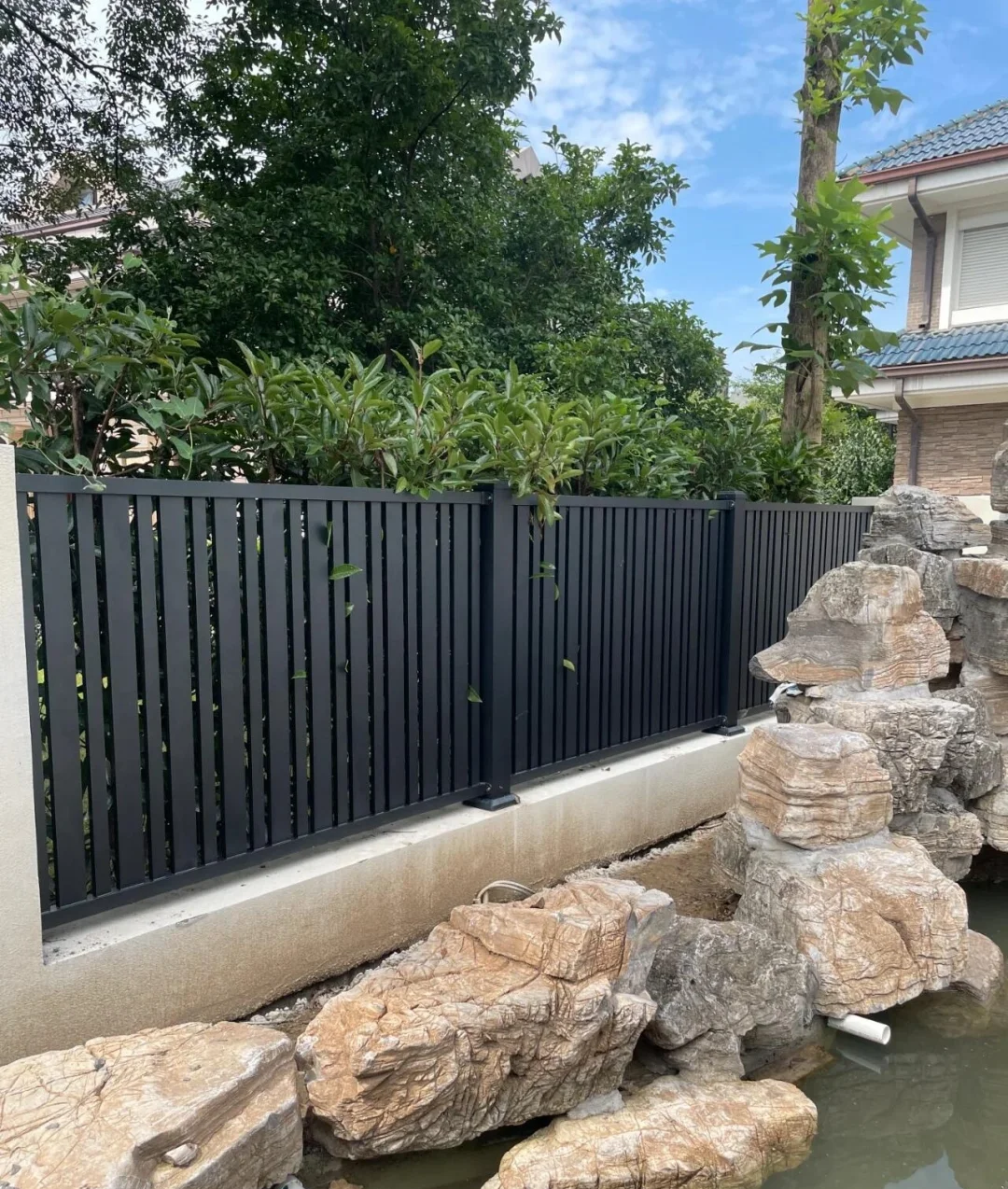
Aluminum fencing is much lighter, which provides several advantages:
Faster installation
Lower labor requirements
Easier transportation
Reduced equipment needs
Many modular aluminum fence systems are designed for quick assembly, reducing project timelines.
Verdict
Color aluminum fencing is easier and more efficient to install.
5. Cost Comparison
Budget is often one of the most important factors when choosing fencing materials.
Initial Cost
Iron fences may sometimes appear cheaper initially, depending on design and thickness. However, high-quality wrought iron fences can be expensive.
Color aluminum fences may have a slightly higher upfront price compared with basic iron fences.
Long-Term Cost
When evaluating fencing investments, long-term expenses must be considered.
Iron fences may incur costs for:
Rust repairs
Repainting
Structural maintenance
In contrast, aluminum fences require minimal maintenance, resulting in lower lifetime costs.
Verdict
Over the long term, color aluminum fencing systems are generally more cost-effective.
6. Safety and Security
Both fencing materials can provide strong security if designed properly.
Iron Fence Security
Iron fences are strong and difficult to break. Their solid structure can provide excellent security for:
Industrial sites
Warehouses
Restricted areas
However, the heavy material can pose safety risks during installation.
Color Aluminum Fence Security
Modern aluminum fences are engineered with advanced structural features such as:
Reinforced posts
Interlocking panels
Anti-climb designs
Secure fasteners
These features make commercial aluminum security fences highly effective for protecting property.
Verdict
Both materials provide strong security, but aluminum fencing offers safer installation and modern security designs.
Environmental Benefits of Aluminum Fencing
Another advantage of aluminum fencing is sustainability.
Aluminum is:
Many manufacturers use recycled aluminum to produce fencing systems, reducing environmental impact.
In contrast, iron production generally requires more energy and maintenance chemicals over its lifespan.
For projects emphasizing green building materials, aluminum fencing is a better choice.
Ideal Applications for Color Aluminum Fences
Color aluminum fences are widely used in modern infrastructure due to their versatility.
Common applications include:
Industrial and Factory Areas
Security perimeters
Equipment protection
Traffic separation
Parks and Public Spaces
Landscape boundaries
Playground safety
Decorative fencing
Commercial Buildings
Office complexes
Shopping centers
Parking areas
Residential Communities
Garden fencing
Pool fencing
Property boundaries
Because of their durability and modern appearance, architectural aluminum fence systems are suitable for a wide variety of environments.
How to Choose the Right Fence for Your Project
When selecting between color aluminum fencing and iron fencing, consider the following factors:
1. Climate Conditions
If the area has high humidity or frequent rain, aluminum fencing is usually the better option.
2. Maintenance Budget
For low maintenance requirements, aluminum fencing is ideal.
3. Architectural Style
Historic buildings may benefit from iron fences, while modern spaces often favor aluminum.
4. Installation Timeline
If quick installation is required, aluminum fencing provides advantages.
5. Long-Term Cost
Consider total lifecycle cost, not just the purchase price.
By evaluating these factors carefully, project managers can choose the fencing system that best meets their needs.
Future Trends in Aluminum Fencing
As manufacturing technologies improve, aluminum fencing continues to evolve.
Future trends include:
Smart security integration
More advanced coating technologies
Improved corrosion resistance
Custom architectural designs
Sustainable production methods
With these innovations, color aluminum fencing is expected to become even more popular in modern construction and infrastructure projects.
Conclusion
Both color aluminum fences and iron fences have their own advantages. Iron fences offer traditional elegance and strength, making them suitable for classic architectural environments.
However, for most modern factory areas, parks, and commercial properties, color aluminum fencing provides a more practical solution. Its corrosion resistance, low maintenance requirements, flexible design options, and cost efficiency make it a preferred choice for many architects and facility managers.
If you are looking for a fencing system that combines durability, aesthetics, and long-term value, color aluminum fencing is likely the better investment.
Carefully consider your project requirements, environmental conditions, and budget to ensure you choose the right fence for your space.

 English
 العربية
 Français
 Русский
 Español
 Português
 Deutsch
 italiano
 日本語
日本語 한국어
한국어 Nederlands
 Tiếng Việt
 ไทย
ไทย Polski
 Türkçe
 ភាសាខ្មែរ
 Bahasa Melayu
 Filipino
 Bahasa Indonesia
 magyar
 Română
 Čeština
 Монгол
 हिन्दी
 فارسی
فارسی Slovenčina
 Slovenščina
 Norsk
Norsk Svenska
 Ελληνικά
 Suomi
Suomi Latine
 Dansk
Dansk Shqip
Shqip Hrvatski
 Afrikaans
 Gaeilge
 Eesti keel
 latviešu
 Azərbaycan dili
 Беларуская мова
 ქართული
 íslenska
 Kinyarwanda
 Lietuvių
 Lëtzebuergesch
 Македонски
 Malti
Malti Türkmençe
 ئۇيغۇرچە
 Cymraeg