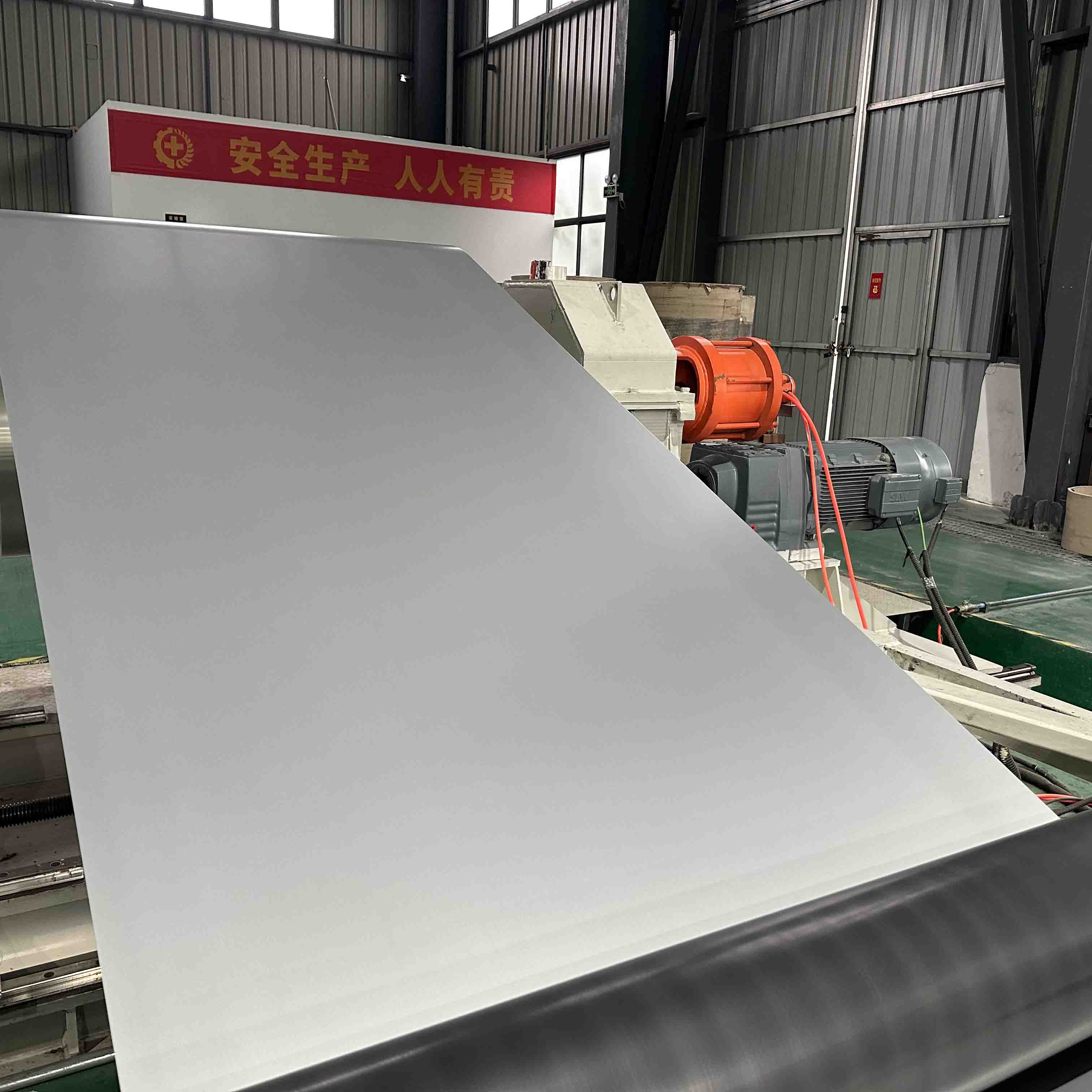
PVDF color-coated aluminum sheets
Dingang
76061259
| Availability: | |
|---|---|
| Quantity: | |
PVDF color coated aluminum sheet is a pre-painted decorative aluminum material for compatible automotive interior trim, dashboard accents, door-panel inserts, center-console components and other visible cabin parts requiring a metallic appearance, low material weight and controlled surface finish.
The listed thinner-sheet range for interior applications is 0.2-1.0mm. Final material thickness should be selected according to component geometry, backing structure, forming depth, attachment method, stiffness requirement and the vehicle manufacturer's material specification.
PVDF fluoropolymer coatings are known for strong resistance to UV exposure, weathering and many chemicals. For automotive interiors, however, coating selection should also consider scratch resistance, abrasion, cleaning chemicals, forming flexibility, gloss, texture, odor, emissions and finished-component requirements.
PVDF coating alone does not establish compliance with an automotive OEM specification. Buyers should provide the applicable vehicle program, component drawing, required tests and approval criteria before production.
Request Automotive Interior Aluminum Pricing
| Parameter | Specification / Requirement |
|---|---|
| Product | PVDF Color Coated Aluminum Sheet for Automotive Interior Components |
| Coating Type | PVDF fluoropolymer color coating |
| Listed Interior Thickness Range | 0.2-1.0mm for thinner interior applications; final gauge subject to component design and forming requirements |
| Aluminum Alloy | To be confirmed according to OEM specification, mechanical requirements, forming process and finished component design |
| Temper | To be selected together with alloy according to forming depth, bend radius and required part stiffness |
| Color Options | Solid colors, metallic effects and custom colors subject to coating formulation, approved master sample and production feasibility |
| Gloss | Matte, low-gloss or other agreed appearance subject to the selected PVDF system and approved sample |
| Texture / Appearance | Smooth, metallic or other agreed decorative appearance subject to production feasibility |
| Coating Film Thickness | To be defined according to the approved PVDF coating system and project requirement |
| Forming | Suitable for compatible cutting, bending, stamping or forming where alloy, temper, coating flexibility and part geometry are correctly matched |
| Typical Interior Uses | Dashboard accents, door-panel inserts, center-console trim, decorative interior panels, bezels and compatible cabin trim components |
| Automotive Qualification | OEM-specific tests and acceptance criteria must be confirmed for the actual coated sheet and finished component |
| VOC / Odor Requirements | Testing to be agreed according to applicable OEM or vehicle-interior specification where required |
| Flammability | Finished interior material or component construction should be evaluated according to the applicable vehicle and destination-market requirement |
For automotive projects, provide the component drawing, alloy and temper requirement if already specified, sheet thickness, color and gloss standard, forming process, coating-performance tests, odor or emission requirements, flammability requirement, quantity and applicable OEM specification.
Send Your Automotive Material Specification
Aluminum provides a relatively low-density metallic substrate for decorative interior components. It can help reduce component mass compared with heavier metallic alternatives when the parts are engineered for equivalent function.
Actual vehicle weight reduction should be calculated from the complete component design, including sheet gauge, backing materials, fasteners and attachment structure.
Prepainted aluminum can provide genuine metallic trim with controlled color, gloss and visual consistency for dashboard accents, door trim and console components.
Coil or sheet coating applies the decorative finish before downstream part fabrication. This can support consistent surface quality when the coating system is compatible with the subsequent cutting, stamping and forming operations.
Aluminum sheet can be formed into compatible curved panels, trim strips and stamped decorative components. Final forming capability depends on alloy, temper, gauge, coating flexibility, grain direction and tooling.
PVDF is a fluoropolymer coating family known for resistance to UV exposure and many environmental chemicals. These characteristics can be useful for interior trim exposed to strong sunlight through vehicle glazing or frequent cleaning.
However, automotive interior performance should not be predicted from resin chemistry alone. The complete paint formulation, primer, pigment, film construction, curing conditions and aluminum pretreatment influence the finished coating.
Dashboard and door-panel accents can receive prolonged sunlight and elevated cabin temperatures. Where color change or gloss retention is critical, specify the required automotive light-exposure test and acceptance criteria.
Interior surfaces can encounter cleaners, skin oils, cosmetics, beverages and other substances. Required chemical resistance should therefore be defined using the actual OEM test liquids, exposure conditions and acceptance criteria.
PVDF should not automatically be described as scratch-proof. Scratch, mar and abrasion performance depends on the complete coating formulation and surface finish.
For high-touch components such as center-console trim or door inserts, provide the required scratch, abrasion or mar test rather than relying only on the PVDF designation.
Prepainted aluminum may be formed after coating when the substrate and paint system tolerate the required deformation. Tight radii, embossing and deep forming can place greater strain on the coating.
Different automotive interior components prioritize different performance characteristics. An instrument-panel accent exposed to sunlight may have different coating requirements from a center-console insert that receives frequent hand contact.
PVDF is particularly recognized for weathering and UV resistance. Polyester formulations can provide different combinations of cost, hardness, flexibility, scratch resistance and decorative effects.
The appropriate coating should be selected from the actual automotive performance specification rather than assuming that one coating family is superior in every property.
Automotive metal trim may use painted, anodized, laminated, printed or other specialized decorative surfaces. Each system offers different appearance, forming, abrasion, chemical and emission characteristics.
Where an OEM already specifies a finish technology, the approved material construction should be followed rather than substituted solely on the basis of color or appearance.
The listed range for thinner interior applications is 0.2-1.0mm. This range should be treated as available design space rather than a universal recommendation for every dashboard, door panel or console component.
Thinner aluminum can be evaluated for cosmetic overlays or trim attached to a supporting substrate where the metal itself is not expected to provide substantial structural stiffness.
Intermediate gauges can be selected for formed decorative trim when sufficient stiffness is required while retaining compatibility with stamping, bending or embossing.
Increasing sheet thickness may improve local rigidity but also changes part mass, forming force, bend behavior and joining requirements. Gauge should therefore be selected from the complete component design.
Solid decorative colors can be developed according to an approved project color reference and coating feasibility.
Metallic finishes can create silver, grey, bronze or other metal-effect appearances for premium interior accents. Metallic pigments can show directional visual differences, so sample orientation and panel layout should be controlled.
Lower-gloss surfaces can reduce visual reflections and provide a softer appearance. Available gloss range depends on the actual PVDF formulation and should be approved using representative samples.
For automotive programs, color, gloss, metallic orientation, texture and acceptable visual variation should be defined using an approved master sample or numerical specification where applicable.
Prepainted aluminum can be stamped into compatible decorative parts where alloy, temper, blank geometry, tooling and coating flexibility are properly matched.
Tight bends can create concentrated coating strain. Minimum bend radius and bend direction should be evaluated using the ordered aluminum and coating system.
Embossing can create three-dimensional decorative effects, but deeper patterns increase local deformation. Representative forming trials are recommended where coating appearance after embossing is critical.
Clean tooling and protected work surfaces help prevent scratches on visible automotive trim. Edge condition should be defined where the cut edge remains exposed or is used for downstream assembly.
If the aluminum will be bonded to plastic, foam or another substrate, compatibility should be verified between the coating, adhesive, surface treatment and the required aging conditions.
Automotive interiors are normally qualified using part-specific or OEM-specific test programs. A generic PVDF coating specification should therefore not be treated as automatic approval for a production vehicle.
If cabin emissions are controlled by the vehicle program, the actual coated sheet or finished component should be tested according to the specified VOC or semi-volatile compound method.
ISO 12219-series methods may be referenced for vehicle interior air and component emissions, but the required method, sample preparation and acceptance limit should come from the applicable OEM or project specification.
VDA 270 is used to evaluate odor characteristics of automotive interior materials and components under defined temperature and climatic conditions. It should not be presented as a VOC certification.
Some OEM programs specify fogging tests for materials used in the passenger compartment. Where required, the relevant test procedure and acceptance limit should be stated with the inquiry.
Automotive interior trim may be subject to flammability requirements such as FMVSS 302 or another destination-market or OEM specification. Compliance should be evaluated for the applicable material or component construction.
High-contact trim should be evaluated using the OEM-required scratch, mar or abrasion test. No coating should be described as universally scratch-proof.
Testing may include cleaners, alcohol-based products, oils, artificial perspiration, sunscreen, cosmetics or other substances specified by the vehicle manufacturer.
Color change, gloss change, cracking or adhesion after elevated-temperature and simulated-light exposure should be evaluated where required by the vehicle program.
Prepainted aluminum can be evaluated for decorative instrument-panel and dashboard inserts where glare, surface temperature, color stability, forming and safety requirements are satisfied.
Door inserts and accent strips can use decorative aluminum where the coating provides the required appearance and passes the applicable scratch, chemical, aging and component tests.
Center-console trim is frequently touched and cleaned, making scratch, mar, fingerprint appearance and chemical resistance particularly important purchasing criteria.
Decorative aluminum can be formed into compatible bezels and surrounds for displays and control areas where reflection, edge quality and surface appearance meet the design requirement.
Larger decorative interior panels can use coated aluminum when flatness, attachment, expansion, crash behavior and finished-component validation are addressed in the vehicle design.
Prepainted aluminum production typically includes substrate preparation, pretreatment, primer application, PVDF color coating, controlled curing, cooling, surface inspection and final sheet or coil handling.
For automotive interior programs, coating consistency and traceability should be coordinated with the agreed master sample and project acceptance requirements.
Where alloy and temper affect forming or mechanical behavior, both should be defined in the purchase specification and supported by the applicable material documentation.
Sheet gauge, width, flatness and dimensional tolerances should be matched to the stamping, cutting or assembly process used for the final trim component.
Visible automotive trim should be evaluated against the approved master sample or specified numerical color and gloss tolerance.
Inspection criteria can include scratches, dents, stains, coating marks, color variation and other defects that remain visible in the finished cabin.
Where the sheet will be stamped or bent, adhesion and coating flexibility should be evaluated before production using the applicable project test.
A flat-sheet coating result does not guarantee identical appearance after severe forming. Where the finished part contains deep draws, sharp radii or embossing, the formed component should also be evaluated.
Identify whether the material is for dashboard trim, door-panel trim, center-console components, display surrounds or another interior application.
Provide dimensions, bend radii, draw depth, embossing, exposed edges and other geometry that can affect substrate and coating selection.
Provide the specified aluminum grade and temper where defined by the vehicle manufacturer or component design.
Specify the required thickness. The listed thinner-sheet range for interior applications is 0.2-1.0mm.
Provide the approved color reference, target gloss and any metallic or texture requirement. A physical automotive master sample is recommended for critical appearance matching.
Provide the required coating construction, film thickness and any adhesion, scratch, abrasion, chemical, light-aging or color-retention requirements.
Identify required VOC, odor, fogging or other cabin-air test methods and acceptance limits where applicable.
State the applicable vehicle-interior flammability requirement and whether testing applies to the coated material, laminated construction or complete trim component.
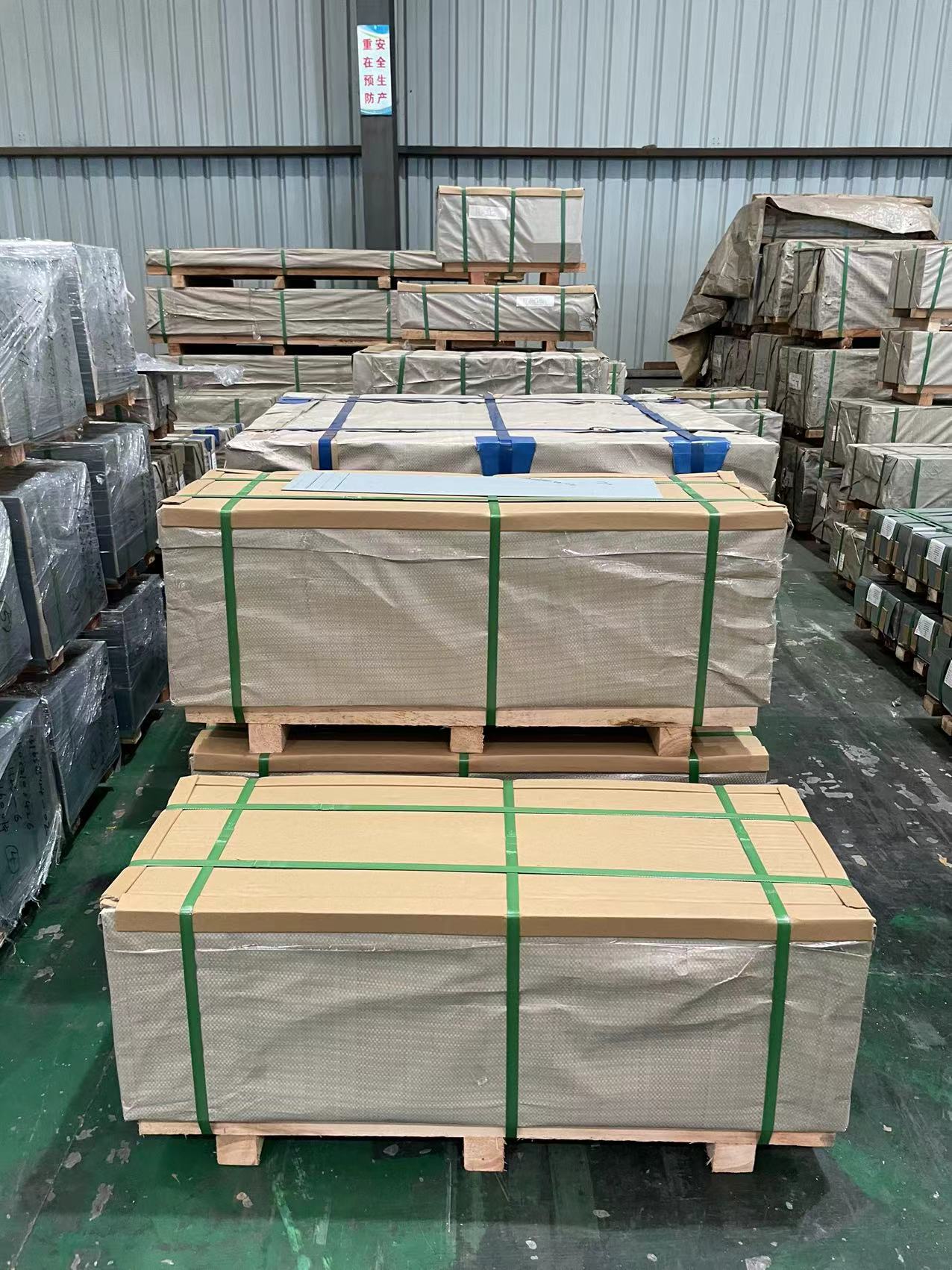
Provide sample quantity, prototype quantity or production volume together with any lot traceability, packaging and delivery requirements.
Send Your Drawing & OEM Requirements
It is pre-painted aluminum sheet using a PVDF fluoropolymer coating system for compatible decorative automotive interior components such as dashboard accents, door trim and console panels.
No. PVDF offers strong weathering and UV characteristics, but automotive interior parts can prioritize scratch resistance, chemical resistance, formability, gloss, odor and emissions differently. The coating should be selected from the actual component specification.
The listed thinner-sheet range for interior applications is 0.2-1.0mm. Final thickness depends on component geometry, forming depth, backing structure and required stiffness.
No. There is no universal optimum thickness. A decorative overlay and a self-supporting formed trim component can require substantially different gauges.
No fixed vehicle-interior service life should be promised from the PVDF name alone. Durability depends on the complete coating system, part design, sunlight, temperature, abrasion, cleaning chemicals and actual service conditions.
A universal numerical multiplier should not be assumed. PVDF is widely recognized for strong weathering performance, but the actual difference depends on the specific PVDF and polyester formulations, pigments and test conditions.
No. Scratch and abrasion resistance depend on the complete coating formulation and test conditions. High-touch automotive parts should be tested according to the required OEM method.
Compatible coated aluminum can be stamped and bent, but forming capability depends on alloy, temper, gauge, bend radius, draw depth and coating flexibility. Representative forming trials are recommended for severe geometries.
Solid colors, metallic effects and different gloss levels can be discussed according to coating-system capability. A physical master sample is recommended for automotive appearance approval.
No. VOC performance must be evaluated for the actual coating and finished material using the test method and acceptance limit required by the OEM or vehicle program.
ISO 12219 contains methods for measuring vehicle interior air or emissions from automotive interior materials and components. A pass requirement must come from the applicable project or OEM specification.
VDA 270 evaluates the odor characteristics of automotive interior trim materials and components under defined temperature and climatic conditions. It is not a general VOC certification.
No automatic claim should be made. Where FMVSS 302 applies, the relevant interior material or component construction should be evaluated according to the applicable requirement.
Aluminum is a low-density metal and can support lightweight component design, but actual vehicle mass reduction depends on the complete part geometry, gauge, backing structure and the material being replaced.
It can be evaluated for decorative dashboard accents where glare, sunlight exposure, heat aging, forming, attachment and the applicable safety requirements are satisfied.
Yes, for compatible decorative door-panel components after confirmation of coating appearance, scratch resistance, chemical resistance, forming and applicable OEM tests.
Please provide the component drawing, alloy and temper if specified, thickness, dimensions, color and gloss reference, forming process, coating-performance requirements, VOC and odor requirements, flammability requirement, prototype or production quantity and applicable OEM specification.
If you are sourcing PVDF color coated aluminum sheet for dashboard accents, door-panel trim, center-console components or other automotive interior decoration, send us your drawing, material specification, approved appearance reference and required automotive tests for technical confirmation and quotation.
Premium PVDF coated aluminum sheets with superior scratch resistance, UV stability and chemical durability. Ideal for automotive interior trim, dashboards, door panels and decorative elements.
PVDF (polyvinylidene fluoride) coatings deliver exceptional performance for automotive interiors. The fluoropolymer resin provides outstanding UV resistance, colour retention and protection against chemicals, abrasion and weathering – ensuring long-lasting aesthetics in demanding cabin environments.
Lightweight, formable and available in extensive colour/finish options, PVDF aluminum enables sleek modern styling while meeting strict automotive standards for durability and safety.
Superior weather & UV resistance – prevents fading and chalking
Excellent chemical & abrasion resistance
Wide colour range with long-term gloss retention
Easy cleaning and low maintenance
High formability for complex shapes
Environmentally friendly – free from heavy metals
Interior applications (including automotive): 0.2 – 1.0 mm
Exterior applications: 0.5 – 4.0 mm or thicker
Automotive interior trim, dashboards, door panels
Interior wall cladding and partitions
Signage and display boards
Electronics and appliance casings
Modern furniture and cabinetry
Crafts and decorative projects
vs Polyester (PE): Superior UV/colour retention and durability
vs PVC: Better weather resistance and environmental profile
vs Epoxy: Excellent outdoor performance with broader aesthetic options
PVDF fluoropolymer resin forms an extremely stable chemical bond that resists UV degradation, chemical exposure (cleaners, fuels, oils) and daily abrasion far better than standard coatings. In vehicle cabins with direct sunlight and frequent contact, this ensures colour stability, gloss retention and scratch resistance for 10–15+ years, meeting OEM standards for premium interior durability.
While polyester (PE) is more cost-effective for moderate use, PVDF offers 2–3 times better UV resistance and colour fastness, superior chemical/abrasion protection and longer lifespan in sun-exposed interiors. For luxury vehicles requiring premium appearance retention, PVDF is the preferred choice despite higher initial cost.
Yes – aluminum's low density (about 1/3 of steel) combined with thin 0.5–1.0 mm PVDF sheets significantly reduces component weight versus plastic or steel alternatives. This supports EV range optimisation while maintaining structural rigidity and premium surface quality for interior styling.
Absolutely – PVDF supports extensive customization including solid RAL colours, metallic effects, matte/gloss variations and special textures. OEMs can match exact brand palettes with excellent colour consistency across large production runs, ideal for signature interior accents and premium vehicle differentiation.
0.5–1.0 mm is optimal for most interior components, balancing lightweight construction with sufficient rigidity for structural parts. Thinner gauges (0.3–0.5 mm) suit decorative overlays, while thicker sheets provide enhanced impact resistance for high-wear areas.
PVDF coatings are low-VOC formulations that meet stringent automotive interior air quality standards (e.g., VDA 270, ISO 12219). They release minimal volatile compounds, ensuring safe cabin environments while maintaining excellent adhesion and performance.
For quotes, custom colours or technical details, please contact us anytime!
Products
Application
Quick links
Contact Us