PPAL
DINGANG
| Availability: | |
|---|---|
| Quantity: | |
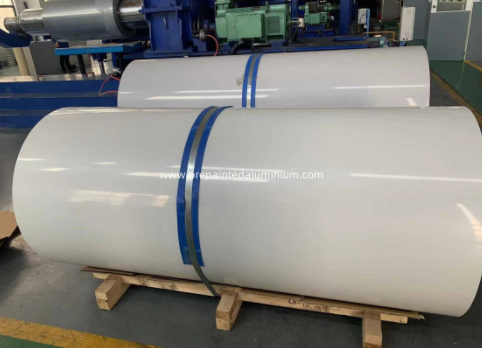
2200mm wide prepainted aluminum sheet is designed for truck, van, trailer and refrigerated-body panels where wide one-piece skins can reduce unnecessary vertical joints and improve the visual continuity of large vehicle surfaces.
The current product range covers 0.8–3.0mm aluminum sheet with a standard width of 2200mm and optional widths up to approximately 2630mm. Available alloy and temper combinations include 3003-H14, 5052-H32/H34, 5083-O/H111 and 5754-O according to forming, strength and vehicle-body requirements.
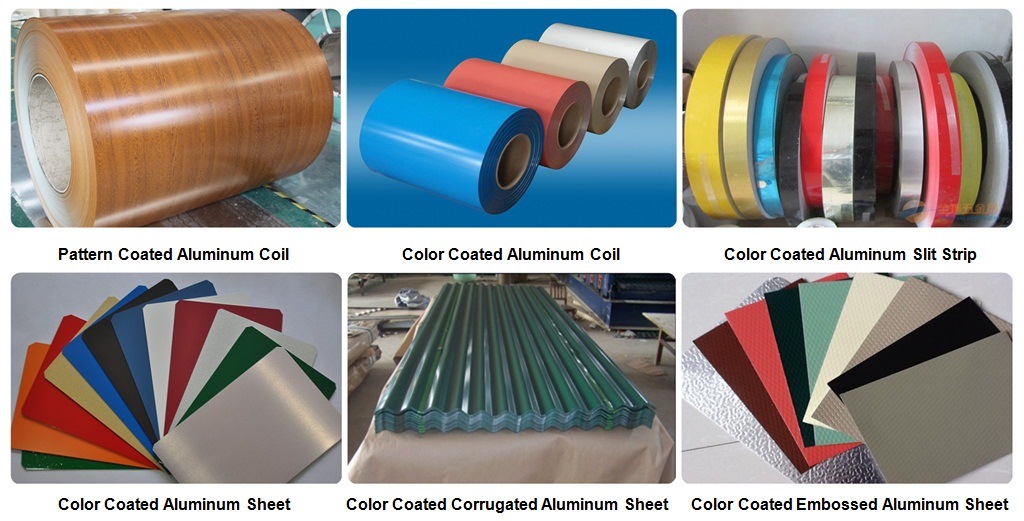
PE, HDP and PVDF coating systems are available with RAL and custom color matching. The correct alloy, coating, reverse-side treatment and surface protection should be selected according to whether the material is used for an exterior sidewall, roof, door, refrigerated panel skin or other vehicle component.

| Parameter | Specification | Selection Notes |
|---|---|---|
| Product | Ultra-Wide Prepainted Aluminum Sheet / Plate / Coil | For commercial vehicle and transportation body panels |
| Alloy & Temper | 3003-H14, 5052-H32/H34, 5083-O/H111, 5754-O | Select according to strength, forming, bonding and component location |
| Thickness | 0.8–3.0mm | Custom thickness within production capability |
| Standard Width | 2200mm | Suitable for wide vehicle wall, roof and door skins |
| Maximum Width | Up to approximately 2630mm | Availability depends on alloy, thickness, coating and order specification |
| Coating Type | PE / HDP / PVDF | Select according to exterior exposure, durability and cost requirements |
| Coating Thickness | Single-side reference: 18–25μm; double-side reference: 25–40μm | Final coating build should be agreed according to coating system and exposure |
| Mechanical Properties | Current broad reference: tensile strength 140–290MPa | Actual values depend on alloy, temper and thickness; confirm against the ordered substrate specification |
| Elongation | Project-specific | The source page references ≥10%, but actual elongation must be confirmed for the exact alloy, temper and gauge |
| Color | RAL colors / custom color matching | Physical color sample can be approved before volume production |
| Surface | Smooth prepainted finish | Gloss, matte level and protective film can be specified |
| Reference Standards | ASTM B209M / EN 485-2 for applicable aluminum substrate requirements; EN 1396:2023 can be specified for coil-coated aluminum | Exact standard, tolerances and test requirements should be stated in the purchase specification |
| Typical Applications | Truck, van and trailer body side panels, roofs, doors and refrigerated body skins | Final material selection depends on panel construction and operating environment |
A 2200mm wide aluminum skin can cover a larger vehicle-body area than conventional narrow sheets. Where the vehicle geometry permits, this can reduce the number of longitudinal or vertical sheet joints required in a truck, van or trailer sidewall.
Fewer visible seams can simplify panel layout and provide a cleaner exterior appearance. The actual number of joints still depends on body height, panel length, manufacturing method and structural design.
Wide prepainted aluminum can be used as the outer skin of compatible sandwich panels incorporating foam, honeycomb, plywood or other approved core and backing systems.
Where the aluminum is bonded to a panel core, the reverse-side pretreatment, backing coating or bonding primer should be matched to the adhesive system used by the panel manufacturer.
Supplying material close to the required finished body width can reduce unnecessary longitudinal joining or secondary processing. Buyers should provide the actual finished skin width and trimming allowance when requesting material.
3003 offers good corrosion resistance and formability and can be evaluated for compatible vehicle roof, wall and general sheet applications where moderate strength is sufficient.
5052 provides higher strength than 3003 together with good corrosion resistance. It is commonly considered for truck, trailer and specialty-vehicle skins where improved strength and durability are required.
5754 provides useful formability and corrosion resistance for transportation applications. Soft temper can be considered where forming or shaping requirements are important.
5083 offers substantially higher strength than many 3xxx-series alloys and can be evaluated for specialized transportation applications.
Because alloy 5083 has different forming and mechanical characteristics from standard vehicle skin alloys, the exact temper, component design and coating process should be confirmed before specification.
| Vehicle Component | Selection Priorities | Material Considerations |
|---|---|---|
| Exterior Sidewall Skin | Flatness, appearance, strength, color consistency and weathering | 3003, 5052 or 5754 can be evaluated according to panel construction |
| Roof Skin | Wide width, forming, thermal movement and sealant compatibility | Formable 3xxx or project-approved 5xxx alloy |
| Door Panel | Rigidity, forming, dent resistance and coating durability | 5052 or other project-approved alloy may be considered |
| Refrigerated Truck Exterior Skin | Weathering, panel bonding, flatness and corrosion resistance | External coating and reverse-side adhesive compatibility should be specified separately |
| Refrigerated Interior Liner | Cleanability, condensation resistance and chemical exposure | Interior surface requirements can differ from exterior finish requirements |
PE coating provides a practical balance of color, formability and cost for many vehicle-body and interior applications.
The required polyester system should be selected according to exterior exposure, expected vehicle life, gloss level and cleaning conditions.
HDP coating can be selected where improved weathering performance is required compared with standard polyester while retaining good forming characteristics.
PVDF can be considered for demanding exterior applications requiring strong UV and weathering resistance.
The final coating system should specify primer, topcoat, optional clear coat, coating thickness, color, gloss and reverse-side treatment.
RAL colors and project-specific color matching are available for vehicle fleets, refrigerated bodies, commercial vans and specialty trailers.
For visible sidewall panels, color consistency should be controlled using an approved production standard or physical color sample. Large one-piece body skins can make color variation more noticeable than on smaller components.
Gloss level should also be agreed because matte, semi-gloss and high-gloss finishes can produce different visual effects on large flat panels.

Request Color & Coating Samples
Truck and refrigerated-body skins are often bonded to foam, honeycomb, plywood or other panel-core materials. For these applications, the reverse surface can be as important as the visible painted face.
The reverse side should be specified according to the customer's adhesive system. Options can include compatible backing coatings, pretreatment or other agreed bonding surfaces.
Polyurethane, epoxy and other structural or panel-laminating adhesives can have different surface requirements. Representative aluminum should be tested with the actual adhesive, core and curing process.
Where bond performance is critical, the panel manufacturer should define the required peel, lap-shear or other relevant test method for the complete aluminum-adhesive-core assembly.
The following values are current reference data for the coating systems shown on this product page. Final contractual requirements should identify the applicable test method, coating build and acceptance criteria.
| Test Item | PVDF With Varnish | PVDF Without Varnish | PE & Other Coatings |
|---|---|---|---|
| Paint Film Thickness | ≥22μm | ≥30μm | ≥18μm |
| Gloss Tolerance — Gloss ≥80 | ±10 gloss units | ||
| Gloss Tolerance — Gloss 20–80 | ±7 gloss units | ||
| Gloss Tolerance — Gloss <20 | ±5 gloss units | ||
| Pencil Hardness | ≥1H | ||
| Abrasion Resistance | ≥5 L/μm | ≥5 L/μm | Project-specific |
| T-Bend | ≤2T | ≤2T | ≤3T |
| Impact Reference | 50 kg·cm without visible coating loss or cracking under the current reference test | ||
| Adhesion Reference | Current source reference: ≥Class 1; final classification method should be agreed | ||
| Boiling Water Resistance | No visible change under the current reference test | ||
| Acid Resistance | No visible change under the current reference test | ||
| Alkali Resistance | No visible change under the current reference test | ||
| Oil Resistance | No visible change under the current reference test | ||
| Solvent Resistance | ≥70 | ≥70 | ≥50 |
| Scrub Resistance | Current reference: ≥10,000 cycles without visible change | ||
| Dirt Resistance | ≤15% | ≤15% | Project-specific |
| Salt Spray Reference | Current reference: ≥Class 2 | Current reference: ≥Class 2 | Project-specific |
T-bend performance is particularly relevant where painted aluminum is folded, hemmed or profiled after coating. The coating should tolerate the required bend without unacceptable cracking or delamination.
Strong coating adhesion helps the finish remain attached during bending, cutting, panel fabrication and vehicle service.
Vehicle exterior panels can experience stone impact, handling damage and minor contact. Impact requirements should be agreed according to the actual vehicle application and coating system.
Salt-spray testing can be included where corrosion performance is important, but test duration, scribe method and acceptance criteria should be defined rather than using a general corrosion claim.
For exterior truck and van bodies, accelerated weathering and color-change requirements can be specified according to the selected PE, HDP or PVDF coating system.
Ultra-wide vehicle panels make surface waves and flatness defects easier to see, particularly on glossy white and dark-colored body panels.
Flatness should therefore be controlled together with thickness, width, coil shape and residual stress.
Where the aluminum is laminated to a sandwich panel, the final visible flatness also depends on adhesive distribution, core flatness, press conditions and panel-support structure.
A removable protective film can be applied to the visible painted surface where protection is required during cutting, panel lamination, transportation and vehicle assembly.
Protective-film adhesion should be matched to the coating so that it remains attached during fabrication but can be removed without leaving excessive residue or damaging the paint.
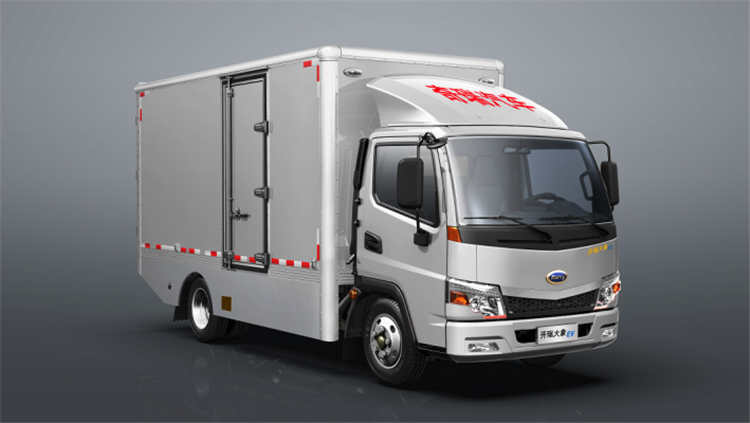
2200mm wide prepainted aluminum can be used as a large exterior skin for compatible box-truck and specialty-vehicle wall constructions.
The material can be bonded into insulated sandwich panels for refrigerated truck and van bodies where the aluminum alloy, coating and reverse-side bonding treatment match the panel system.
Wide coated sheets can be used for compatible van conversions and specialty commercial vehicles where large clean side surfaces and custom fleet colors are required.
Prepainted aluminum can be evaluated for cargo, enclosed and specialty trailer side skins, subject to the required strength, panel construction and fastening or bonding method.
Wide material can reduce the need for additional roof seams. Roof applications should also consider thermal expansion, forming, sealing and water-management details.
Doors and service panels can use prepainted aluminum where the chosen thickness and alloy provide the required stiffness, forming performance and surface durability.

| Purchasing Item | Information to Provide |
|---|---|
| Vehicle Type | Truck, refrigerated truck, van, trailer or specialty vehicle |
| Panel Position | Exterior sidewall, roof, door, interior liner or other component |
| Alloy | 3003, 5052, 5754, 5083 or approved project specification |
| Temper | Specify according to forming and strength requirements |
| Thickness | Select within the current 0.8–3.0mm range |
| Width | 2200mm standard or custom width up to approximately 2630mm where available |
| Panel Length | Provide required cut-sheet length or coil-processing method |
| Coating | PE, HDP or PVDF |
| Color | RAL number, Pantone reference or physical color sample |
| Gloss | Matte, semi-gloss or project-specific gloss level |
| Reverse Side | Specify bonding primer, backing coat or other adhesive-compatible treatment if required |
| Panel Core | Provide foam, honeycomb, plywood or other backing material where the aluminum will be laminated |
| Adhesive | Provide adhesive type and curing process for panel-bonding applications |
| Fabrication | Cutting, bending, profiling, lamination or other downstream processing |
| Protective Film | Specify if visible painted surface requires temporary protection |
| Coil ID / OD | Provide equipment limitations when coil supply is required |
| Quality Requirements | Specify flatness, color difference, gloss, coating adhesion, T-bend and corrosion test requirements |
Send Your Vehicle Panel Specification
For refrigerated trucks, trailers and other sandwich-panel bodies, representative aluminum should be tested with the actual core, adhesive and lamination process before recurring commercial production.
The trial should confirm aluminum flatness, adhesive wetting, reverse-side bond quality, curing conditions and visible-surface appearance after pressing.
For large panels, full-size trial production can also help identify bowing, waviness or thermal-movement issues that may not be visible in small laboratory samples.
Wide prepainted aluminum can be cut into vehicle skins according to panel dimensions. Cutting methods should minimize edge damage and scratching of the painted face.
Bending behavior depends on alloy, temper, gauge, coating flexibility and bend radius. Tight bends should be verified using representative production material.
Where panels are adhesively bonded, surface chemistry and reverse-side treatment should be qualified with the actual adhesive rather than assumed from the topcoat specification.
Rivets, screws and other fasteners can be used where appropriate, but fastener material and joint design should account for corrosion compatibility, vibration and thermal expansion.
The substrate should match the approved alloy and temper because mechanical properties directly affect forming, dent resistance and panel performance.
Metal gauge and finished width should be measured against the approved purchase specification, particularly for automated panel-production lines.
Wide-width material should be inspected for edge wave, center buckle and other shape defects that could affect large-area panel appearance.
Dry-film thickness should be checked according to the approved PE, HDP or PVDF coating specification.
Visible vehicle skins should be compared with the approved color and gloss standard to reduce variation between production batches.
Adhesion and T-bend testing can help verify that the coating remains suitable for downstream forming and fabrication.
Finished material should be inspected for scratches, dents, coating inclusions, color variation and other visible defects according to the agreed surface acceptance level.
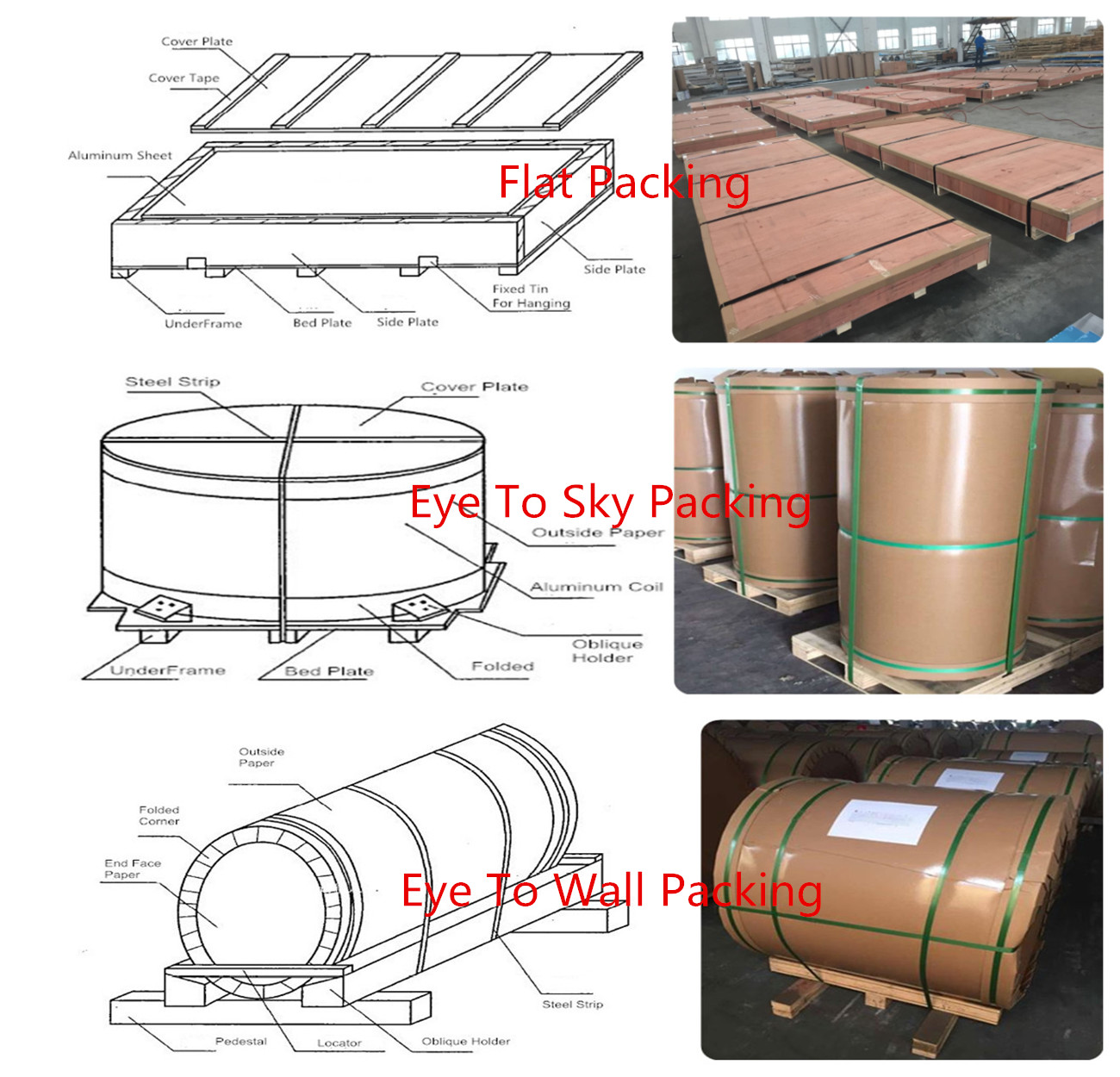
Ultra-wide prepainted aluminum requires suitable support during export transportation to reduce edge damage, moisture exposure, abrasion and deformation.
The current packing method uses seaworthy export packaging with wooden pallets in horizontal or vertical configurations according to customer and shipping requirements.
Protective film, moisture-resistant wrapping, edge guards and rigid supports can be discussed according to the product dimensions and transport method.

For an accurate quotation, please provide the vehicle type, panel location, aluminum alloy and temper, thickness, required width, sheet length or coil specification, coating type, color and purchasing quantity.
For sandwich-panel applications, also provide the core material, adhesive system, reverse-side bonding requirement and panel-lamination process.
For exterior visible surfaces, include the required coating thickness, gloss level, color tolerance, protective-film requirement and any weathering or corrosion-test specification.
If 2200mm is not the required finished width, provide the actual panel drawing or slit width so production feasibility can be checked for widths up to approximately 2630mm.
Request Technical Details & Pricing
It is designed for large truck, van, trailer and refrigerated-body panels where wide aluminum skins can reduce the need for additional sheet joints.
The standard product width is 2200mm, while the current product range lists optional widths up to approximately 2630mm depending on alloy, thickness and coating requirements.
The current range is approximately 0.8–3.0mm.
Current options include 3003-H14, 5052-H32/H34, 5083-O/H111 and 5754-O. Other compatible specifications can be discussed according to project requirements.
3003, 5052 and 5754 can all be evaluated depending on the required strength, forming behavior, panel construction and vehicle design. 5052 is often selected when higher strength than 3003 is required.
Yes. Wide coated aluminum can be evaluated as the external or internal skin of compatible insulated truck-body panels. Exterior and interior surfaces may require different coating and bonding specifications.
When the body dimensions allow, a wider sheet can cover more of the vehicle wall or roof with fewer joints and can provide a cleaner large-area appearance.
Not necessarily. The number of seams depends on vehicle dimensions, sheet length, structural design, door openings and manufacturing method. Wide material can reduce joints but does not automatically eliminate them.
PE, HDP and PVDF coating systems are currently available according to application and durability requirements.
PE can be suitable for many general applications, HDP can provide improved weathering over standard polyester, and PVDF can be considered for more demanding long-term exterior exposure. Final selection should be based on project requirements.
Yes. RAL colors and custom color matching can be discussed. For critical fleet-color consistency, an approved physical sample is recommended.
Yes. Reverse-side treatment can be discussed according to the customer's foam, honeycomb, plywood or other panel core and the adhesive used for lamination.
A removable protective film can be discussed for visible painted surfaces that require protection during fabrication and vehicle assembly.
Compatible coated aluminum can be bent and profiled, but bendability depends on alloy, temper, gauge, coating system and bend radius. Representative forming trials are recommended for tight bends.
EN 1396 covers coil-coated aluminum sheet and strip for general applications. Where this standard is required, the applicable coating, testing and acceptance requirements should be included in the purchase specification.
Please provide the vehicle application, alloy, temper, thickness, width, panel or coil dimensions, coating type, color, gloss, reverse-side bonding requirement, protective-film requirement and purchasing quantity.
Yes. Material samples and representative panel-lamination trials are recommended for new adhesives, panel cores, colors, coating systems or vehicle-body constructions.
If you manufacture truck bodies, refrigerated vans, trailers or specialty commercial vehicles, send us your body-panel dimensions, aluminum specification, coating requirements and annual purchasing volume.
We can discuss 2200mm standard-width prepainted aluminum, widths up to approximately 2630mm, 0.8–3.0mm gauges, 3003 / 5052 / 5754 / 5083 alloys, PE / HDP / PVDF coatings and custom fleet colors.
Dingang supplies color-coated aluminum coil and sheet for transportation, commercial vehicle and industrial panel applications with customized alloy, temper, thickness, width, coating and color specifications.
For truck body, van body, trailer or refrigerated-panel projects, contact our sales team with your panel construction and material requirements.
Changzhou Dingang Metal Material Co., Ltd.
Robert Tang (Sales Director)
Products
Application
Quick links
Contact Us